
The New Era of Brand Protection: AI Meets Trademarks
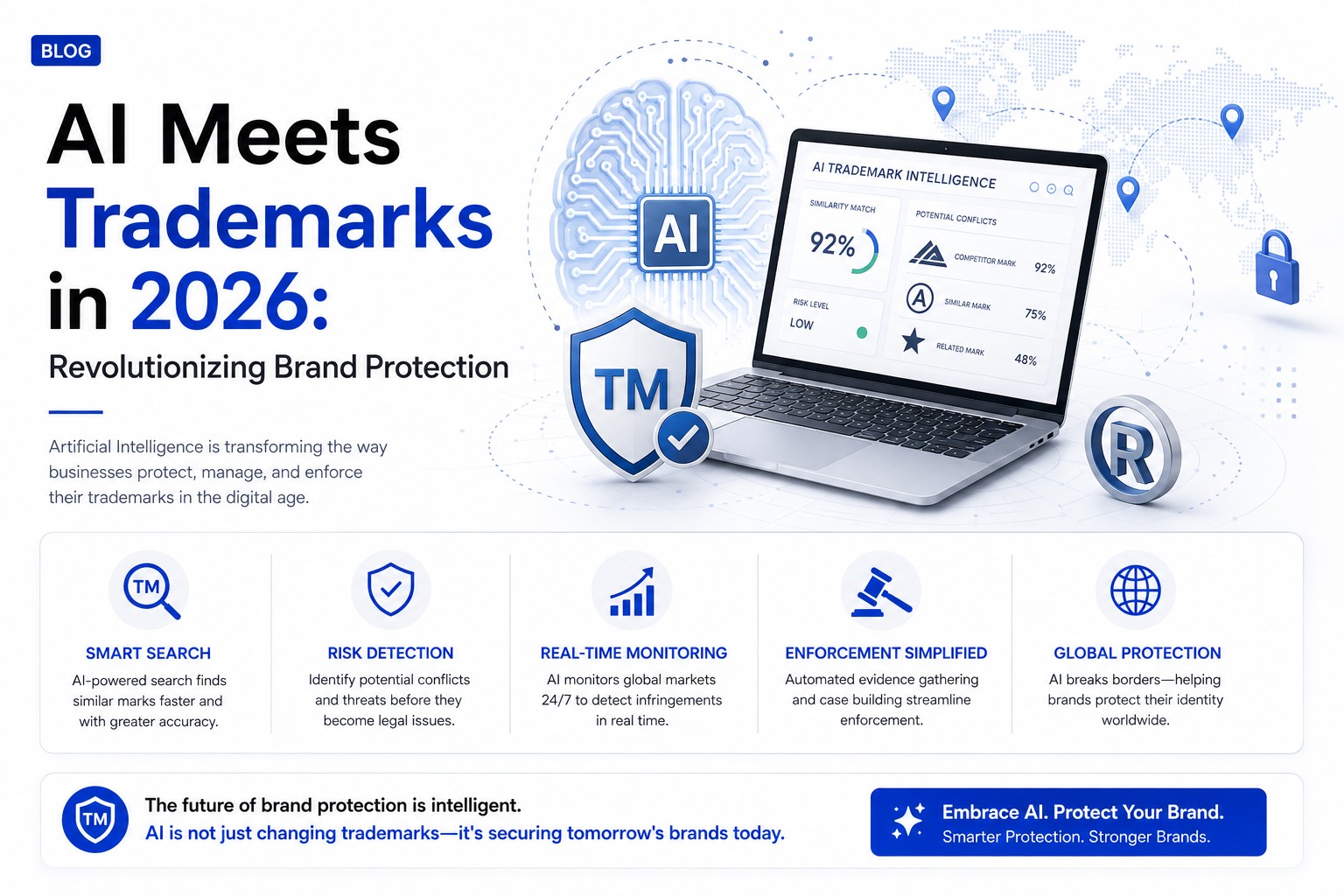
As we step into 2026, the intersection of artificial intelligence (AI) and trademark protection is reshaping the landscape for businesses worldwide. The digital marketplace is more dynamic than ever, and brands are leveraging cutting-edge AI tools to safeguard their intellectual property with unprecedented efficiency. In this blog, we’ll explore how AI is transforming the world of trademarks, the benefits and challenges it brings, and what the future might hold for brands seeking robust protection in the age of intelligent machines.
Why Trademark Protection Matters More Than Ever
Brand identity is a critical asset in today’s hyper-competitive market. Trademarks—logos, names, slogans—are the face of a business. With the explosion of online commerce and global reach, the risks of infringement, counterfeiting, and brand dilution have skyrocketed. Manual trademark monitoring and enforcement are no longer sufficient to keep up with the sheer volume and speed of potential threats.
The AI Revolution in Trademark Management
1. Automated Trademark Search & Clearance
Traditional trademark searches are labor-intensive and prone to human error. AI-powered search engines in 2026 can instantly analyze millions of trademarks across global databases, flagging potential conflicts with remarkable accuracy. Natural language processing (NLP) and image recognition technologies enable AI to detect similarities not just in text, but also in logos, colors, and even phonetic patterns, ensuring a comprehensive clearance process.
2. Real-Time Infringement Monitoring
AI-driven monitoring tools now scan digital marketplaces, social media, and e-commerce platforms in real time. These systems proactively identify unauthorized use of trademarks, from counterfeit goods to misleading advertisements. By catching infringements early, brands can act swiftly to minimize damage and protect their reputation.
- Image recognition: Detects counterfeit logos or similar imagery across online platforms.
- Web crawling bots: Uncover unauthorized uses of brand names in domain registrations and online content.
- Sentiment analysis: Monitors brand mentions and assesses the context to prioritize enforcement actions.
3. AI-Assisted Legal Enforcement
AI is revolutionizing the way legal teams approach trademark disputes. Advanced analytics can predict the likelihood of success in opposition proceedings or litigation, helping attorneys make data-driven decisions. Generative AI tools even draft cease-and-desist letters, oppositions, and other legal documents, streamlining enforcement and reducing costs.
4. Predictive Analytics for Brand Strategy
Beyond protection, AI is enabling smarter brand strategy. Machine learning models forecast trends in trademark filings, identify emerging threats, and suggest proactive measures. Brands can now anticipate shifts in their competitive landscape and adapt their IP portfolios accordingly.
The Benefits of AI-Driven Trademark Protection
- Speed and Efficiency: AI tools operate 24/7, handling vast data sets much faster than human teams.
- Accuracy and Consistency: Machine learning algorithms reduce the risk of oversight and ensure consistent monitoring.
- Cost Savings: Automation lowers the expenses associated with manual research and enforcement.
- Global Reach: AI systems scan multiple jurisdictions, helping brands protect their marks worldwide.
Challenges and Considerations
Despite its promise, AI in trademark protection is not without challenges:
- False Positives: Overly sensitive algorithms can flag non-infringing uses, overwhelming legal teams.
- Data Privacy: The use of AI in monitoring must comply with data protection laws across different regions.
- Human Oversight: While AI handles routine tasks, expert judgment is still crucial for nuanced decisions.
- Integration Costs: Implementing AI systems requires upfront investment and staff training.
Looking Ahead: The Future of Brand Protection
As AI technologies continue to evolve, we can expect even more sophisticated solutions for trademark management. Predictive models will become more accurate, and integration with blockchain could enhance transparency in trademark records. Collaboration between AI providers, legal professionals, and regulatory bodies will be vital to set standards and ensure ethical use.
Key Takeaways
- AI is transforming trademark protection, enabling faster, more accurate, and cost-effective solutions.
- Brands that embrace AI tools gain a competitive edge in safeguarding their intellectual property.
- Balancing automation with human expertise and ethical considerations will be essential as the technology matures.
For businesses aiming to thrive in the digital age, investing in AI-powered brand protection is quickly becoming not just an option, but a necessity.