

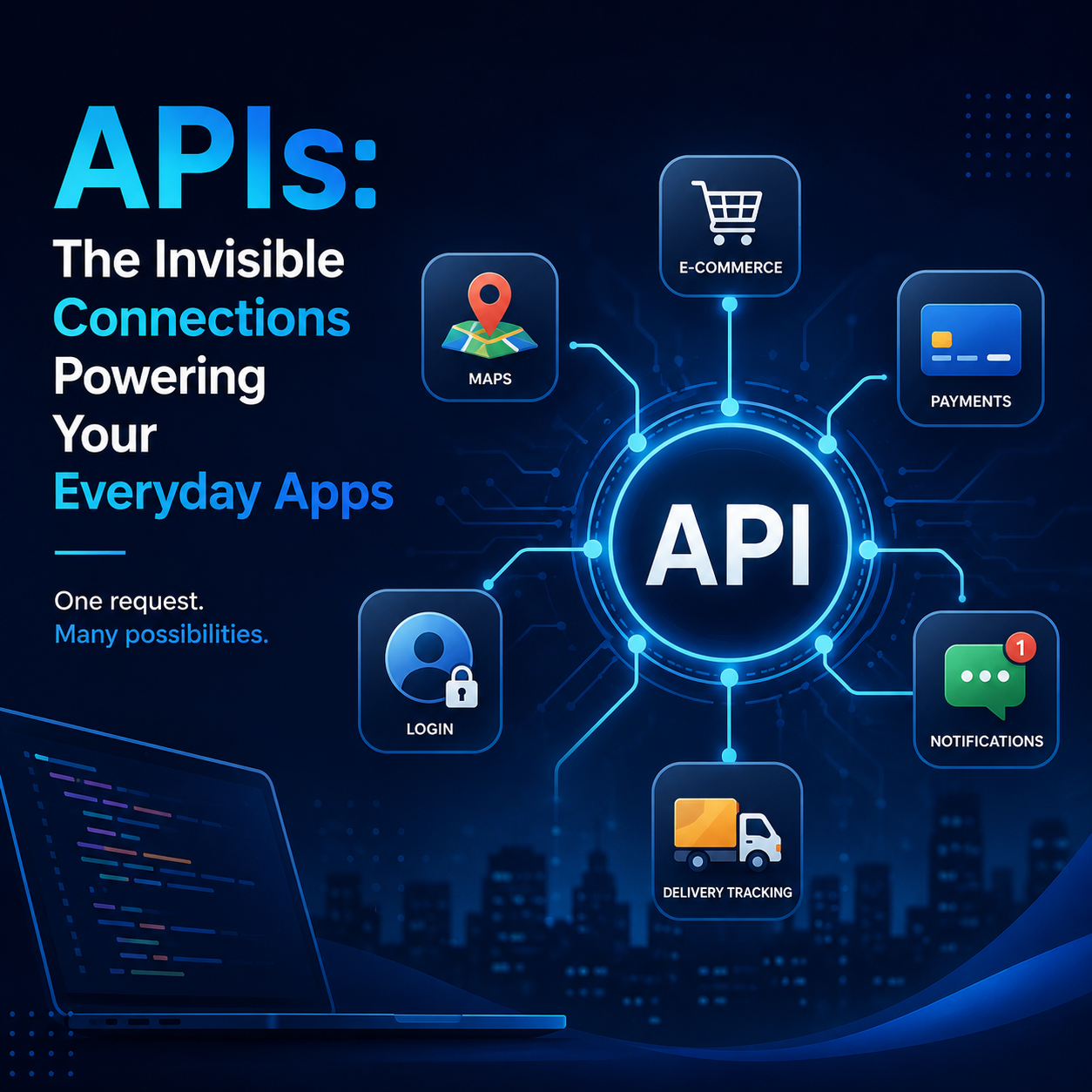
Introduction: The Hidden Backbone of Digital Experiences
Have you ever wondered how your favorite apps seamlessly pull up your social feed, process payments, or fetch live weather updates in an instant? The answer lies beneath the surface, in the world of APIs—the invisible infrastructure that makes modern digital experiences possible. While we interact with sleek interfaces and intuitive features, it’s APIs that orchestrate the complex dance of data, connectivity, and functionality behind the scenes.
What is an API?
API stands for Application Programming Interface. At its core, an API is a set of rules and protocols that allows different software applications to communicate with each other. Just as a waiter takes your order and brings your food from the kitchen to your table, an API delivers your request from an app to a server and back again with the relevant data.
Key Functions of APIs
- Communication: Enable different systems to exchange data.
- Integration: Allow apps to leverage third-party services and features.
- Abstraction: Hide the complexity of backend processes from users and developers.
How APIs Work: A Real-World Analogy
Imagine you’re ordering a coffee at a café. You tell the barista (the API) your order. The barista communicates with the kitchen (the backend server) and brings your coffee (the data) back to you. You don’t need to know how the coffee is made—you just get your drink. Similarly, APIs let apps request information or actions from other systems without revealing the underlying complexities.
APIs in Everyday Apps: Practical Examples
APIs are everywhere, quietly facilitating the features we often take for granted. Here are some common examples:
- Social Media Integration: When you log into a new app using your Google or Facebook account, OAuth APIs securely handle authentication and data sharing.
- Maps and Location Services: Apps like Uber or food delivery platforms use mapping APIs (such as Google Maps) to display real-time locations and routes.
- Payment Processing: E-commerce apps use APIs from payment gateways like PayPal or Stripe to securely process transactions.
- Weather Updates: Many travel and event apps pull real-time weather data from third-party weather APIs.
- Messaging and Notifications: Messaging platforms and push notification services rely on APIs to deliver instant updates and alerts.
Why APIs Matter: The Benefits
APIs are more than just technical tools—they’re the enablers of innovation and connectivity in the digital age. Here’s why they’re essential:
- Speed and Efficiency: APIs allow developers to integrate powerful features without building everything from scratch, accelerating development timelines.
- Flexibility: Businesses can quickly adapt to changing user needs and add new services by connecting to the right APIs.
- Scalability: APIs make it easier to scale apps, support more users, and handle large volumes of data.
- Security: Well-designed APIs include authentication and authorization mechanisms that help protect sensitive data and operations.
The Evolution of APIs: From Proprietary to Open
In the early days of computing, most APIs were proprietary and closely guarded. Today, the rise of open APIs and standardized protocols (like REST and GraphQL) has democratized access, enabling countless startups and enterprises to build on each other’s innovations. This shift has fueled the growth of the API economy, where APIs are not just technical tools but also key business assets.
Challenges and Considerations
Despite their benefits, APIs also present challenges:
- Security Risks: Poorly secured APIs can be exploited, leading to data breaches.
- Versioning: When APIs change, apps relying on them may break unless they’re updated.
- Reliability: If a third-party API goes down, it can disrupt your app’s functionality.
Developers and companies need to carefully manage these risks through best practices, such as using secure authentication, monitoring API performance, and maintaining clear documentation.
The Future of APIs: More Connected Than Ever
As technology evolves, APIs are becoming even more integral. The rise of Internet of Things (IoT) devices, artificial intelligence, and cloud services all depend on robust API ecosystems. In the coming years, APIs will continue to shape how we interact with technology—enabling smarter homes, connected cars, and ever-more personalized digital experiences.
Conclusion: Appreciating the Invisible Infrastructure
Next time you order a ride, check the weather, or make an online payment, remember the invisible infrastructure quietly at work. APIs are the unsung heroes powering the apps that keep our lives connected, convenient, and efficient. By bridging the gap between different systems and services, they make the digital world not just possible, but endlessly innovative.