
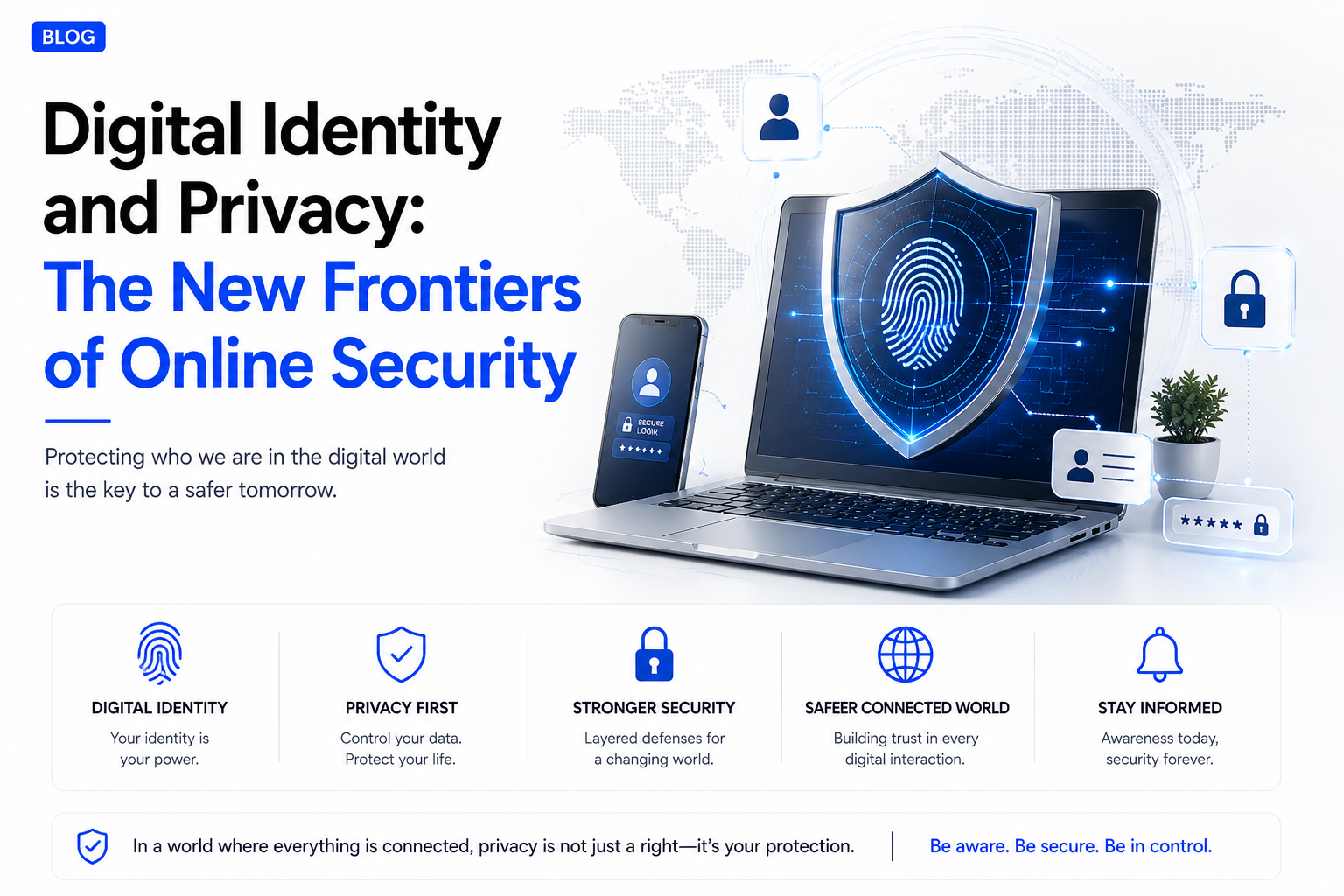
Introduction: The Age of Digital Identity
In today’s hyper-connected world, our digital identities have become as important as our physical ones. From social media profiles and online banking to health records and government services, digital identity underpins how we access, interact, and transact online. However, as our lives become increasingly digitized, concerns about privacy and the security of our online identities have taken center stage.
What is Digital Identity?
Digital identity refers to the collection of information used to represent an individual, organization, or device online. This includes usernames, passwords, biometrics, browsing habits, and even social media activity. In many ways, your digital identity is a mosaic, pieced together from every interaction you have in the digital realm.
- Personal Identifiers: Name, date of birth, email, phone number
- Behavioral Data: Search history, e-commerce purchases, social interactions
- Biometrics: Fingerprints, facial recognition, voice recognition
The Privacy Imperative
The rapid evolution of digital technologies has outpaced privacy regulations and user awareness. High-profile data breaches, identity theft, and unauthorized data sharing have eroded public trust. As digital identity becomes central to daily life, privacy is no longer optional—it is essential.
Why Privacy Matters
- Personal Security: Protecting digital identity prevents financial loss, fraud, and reputational damage.
- Freedom of Expression: Guaranteeing privacy allows individuals to express themselves without fear of surveillance or retribution.
- Control over Data: Users want to decide how, when, and with whom their data is shared.
Emerging Trends in Digital Identity and Privacy
Recent years have seen a surge in both the sophistication of identity technologies and the complexity of privacy challenges. Here are some key trends shaping this space:
1. Decentralized Identity Solutions
Traditional identity systems are centralized, making them attractive targets for hackers. Decentralized identity (DID) solutions, powered by blockchain, put users in control of their personal data. This approach minimizes the risk of mass data breaches and enhances user privacy.
2. Passwordless Authentication
Passwords are often the weakest link in cybersecurity. Passwordless authentication methods—such as biometrics, security keys, and one-time codes—are gaining momentum. They not only streamline user experience but also reduce the risk of credential theft.
3. Regulatory Changes
Data privacy laws like the GDPR in Europe and CCPA in California have set new standards for how organizations handle personal data. These regulations empower users with more rights and require businesses to be transparent and accountable for data management.
4. Rise of Digital Wallets and Verifiable Credentials
Digital wallets now store more than just payment info—they can hold verifiable credentials such as digital driver’s licenses, health certificates, and educational qualifications. This makes identity verification more convenient but also raises new privacy considerations.
Challenges Ahead
While digital identity and privacy are evolving rapidly, significant challenges remain:
- Balancing Convenience and Security: Users want seamless access but also robust protection of their data.
- Interoperability: Fragmented identity systems can create friction and confusion.
- Digital Inclusion: Not everyone has equal access to digital identity solutions, potentially widening societal gaps.
- Awareness and Education: Many users are still unaware of how their data is collected and used.
What Can You Do?
Protecting your digital identity and privacy is a shared responsibility. Here are practical steps individuals can take:
- Use Strong, Unique Passwords for every account. Consider a reputable password manager.
- Enable Two-Factor Authentication (2FA): Adds an extra layer of security to your accounts.
- Be Mindful of Sharing: Limit personal information shared online and review privacy settings regularly.
- Update Software: Keep all devices and applications updated to patch security vulnerabilities.
- Educate Yourself: Stay informed about the latest privacy threats and best practices.
The Future of Digital Identity and Privacy
As artificial intelligence, the Internet of Things (IoT), and new digital technologies advance, the complexity of managing digital identity and privacy will only increase. Collaboration between governments, businesses, and technology providers is essential to create secure, user-centric solutions that respect privacy and empower individuals.
Ultimately, digital identity and privacy are not just technology issues—they are fundamental human rights that underpin trust in the digital age.