
The Digital Transformation of Real Estate
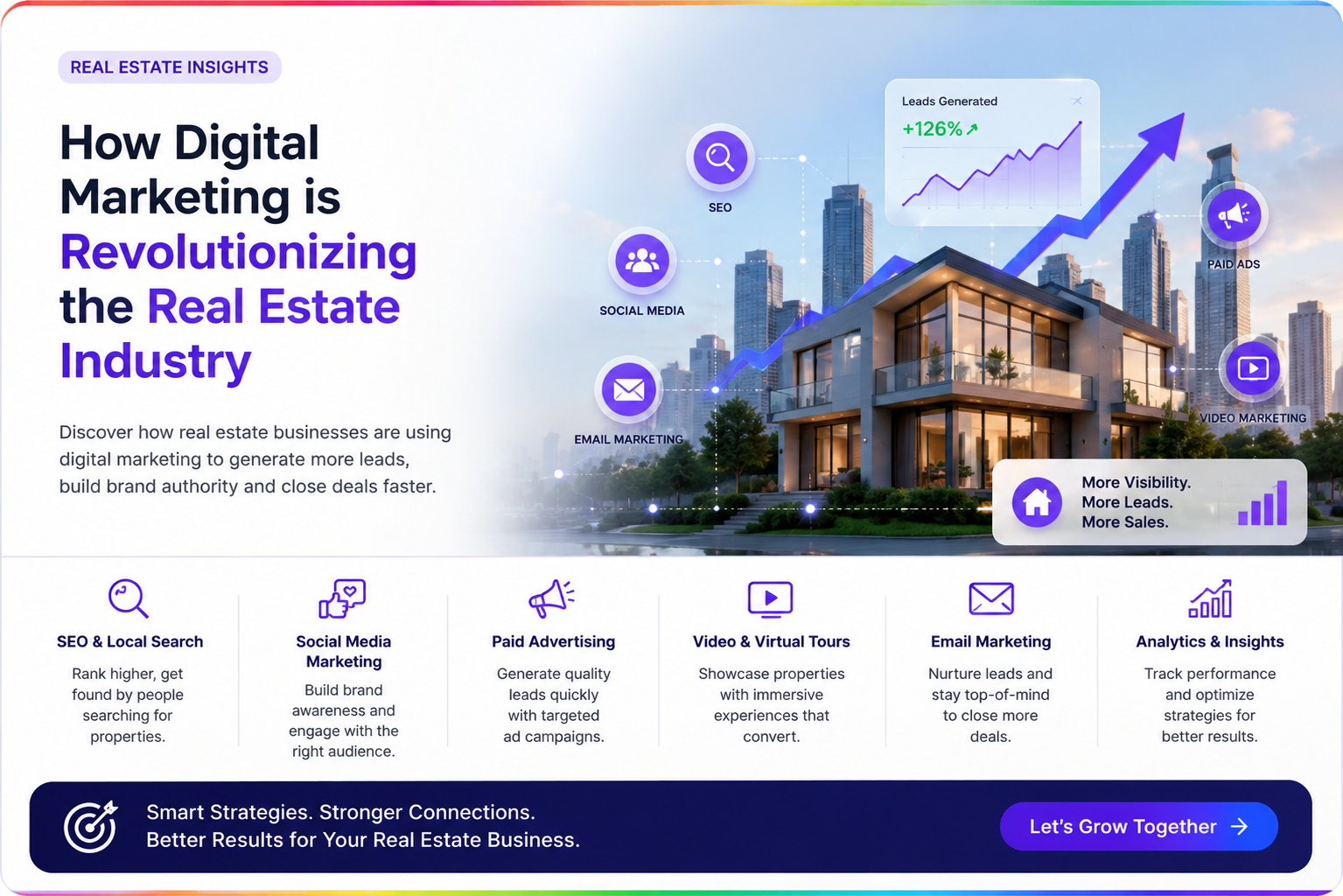
The real estate industry, once heavily reliant on face-to-face interactions and traditional advertising, has undergone a dramatic evolution. Digital marketing has emerged as a powerful force, enabling real estate agents, brokers, and agencies to reach wider audiences, engage clients more effectively, and close deals faster than ever before.
Why Digital Marketing Matters in Real Estate
In today's hyper-connected world, homebuyers and sellers start their journey online. According to the National Association of Realtors, over 90% of buyers use the internet to search for homes. This shift in consumer behavior makes digital marketing not just an option, but a necessity for real estate professionals who want to stay competitive.
- Wider Reach: Online platforms enable real estate businesses to target local, national, and even international buyers.
- Cost-Effective: Digital campaigns can be more affordable than print or TV ads, delivering better ROI.
- Data-Driven: Digital tools provide valuable analytics, allowing agents to refine their strategies for better results.
Key Digital Marketing Strategies for Real Estate
1. Building a Strong Website
Your website is your digital storefront. It should be visually appealing, mobile-friendly, and easy to navigate. High-quality property images, virtual tours, and detailed descriptions help to capture attention and build trust.
Adding features like mortgage calculators, neighborhood guides, and live chat can enhance the user experience and keep potential clients engaged longer.
2. Search Engine Optimization (SEO)
SEO is crucial for getting your website seen by the right people. By optimizing for relevant keywords—like "homes for sale in [city]" or "best real estate agent near me"—you can rank higher in search engine results. This leads to more organic traffic and qualified leads.
- Use local SEO tactics, such as creating Google My Business listings and earning local backlinks.
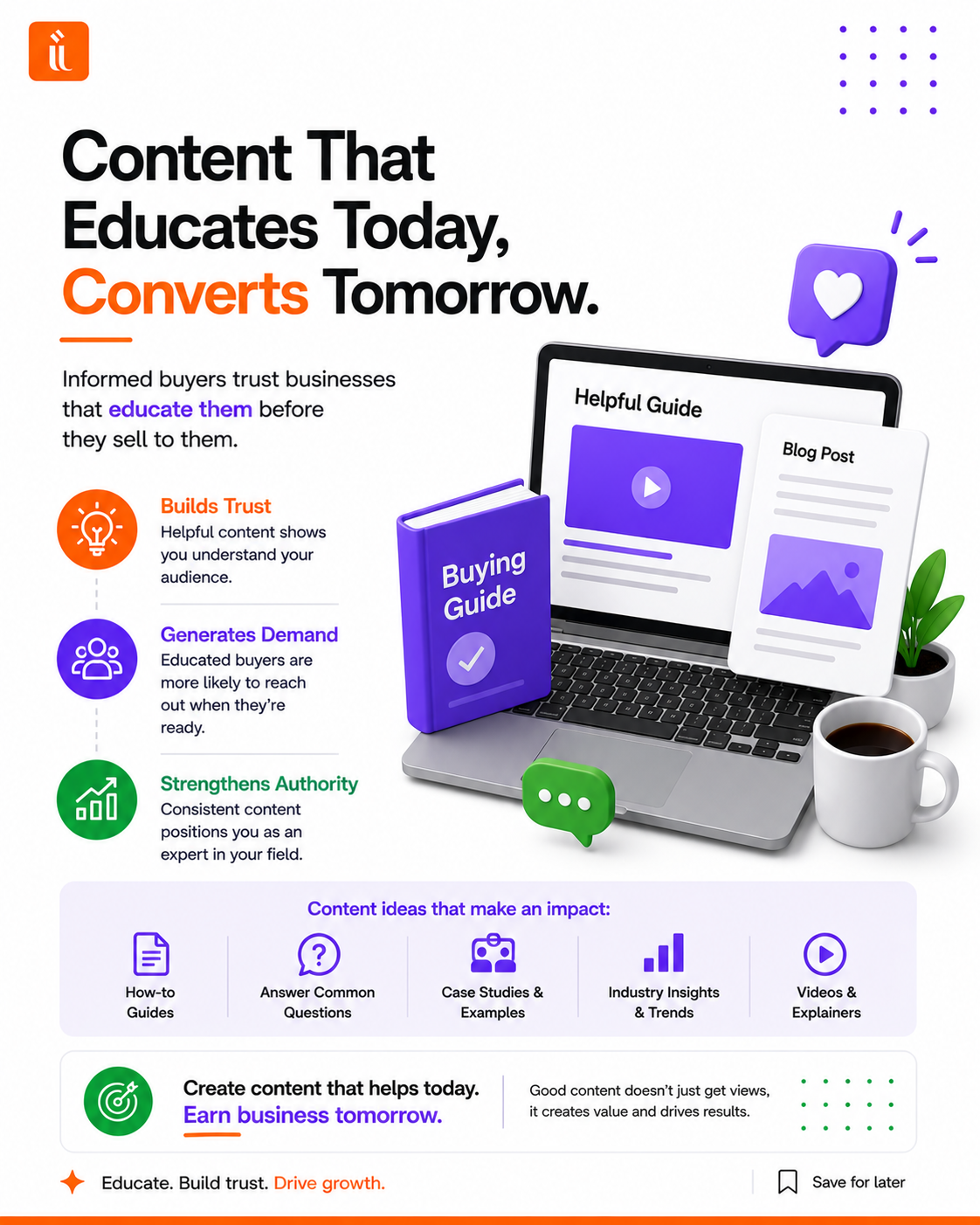
- Regularly update your blog with relevant, valuable content to attract both users and search engines.
3. Social Media Marketing
Platforms like Facebook, Instagram, and LinkedIn have become essential tools for real estate marketing. They allow agents to showcase listings, share market insights, and engage with clients in real-time.
Instagram, in particular, is ideal for sharing beautiful property photos and short video walkthroughs. Facebook groups and pages can help build a community and foster discussions around local real estate trends.
4. Email Marketing
Email remains one of the most effective digital channels for nurturing leads. Sending personalized newsletters, property updates, and market reports helps keep your audience informed and engaged.
- Segment your email list by buyer type, location, or interest for more targeted messaging.
- Automate follow-up emails to ensure no lead falls through the cracks.
5. Virtual Tours and Video Marketing
Today’s buyers want to experience homes without leaving their couch. Virtual tours and video walkthroughs bring listings to life, allowing clients to explore properties at their own pace.
Short, engaging video content can also be shared across social media channels, increasing reach and driving more interest to your listings.
Success Stories: Real Estate and Digital Marketing
Many real estate businesses have seen tremendous growth by embracing digital marketing. For example, agencies that invest in targeted Facebook ads often generate more leads for open houses and new listings. Realtors using SEO-optimized blogs to share home buying tips consistently attract more visitors to their websites.
Clients appreciate the convenience of digital tools, virtual meetings, and instant access to property information. This not only streamlines the transaction process but also builds stronger relationships and increases client satisfaction.
Challenges and Solutions
Adopting digital marketing isn't without its hurdles. Real estate professionals may face challenges like keeping up with technology trends, managing multiple platforms, and creating high-quality content consistently.
- Solution: Invest in training or partner with digital marketing experts to stay ahead of the curve.
- Solution: Use automation tools for scheduling posts, sending emails, and tracking analytics.
- Solution: Repurpose content such as turning blog posts into videos to maximize reach and engagement.
The Future of Real Estate Marketing
The digital landscape is constantly evolving. Emerging technologies like AI-driven chatbots, augmented reality home staging, and predictive analytics are set to further transform how properties are marketed and sold. Staying adaptable and open to new digital strategies will be key for real estate professionals who want to thrive in the coming years.
Conclusion: Embrace the Digital Shift
Digital marketing has opened up a world of opportunities for the real estate industry. By leveraging the right mix of online tools and strategies, agents and agencies can reach more clients, build stronger relationships, and close deals more efficiently. Whether you’re a seasoned realtor or just starting out, embracing digital marketing is the smart move to ensure your business stands out in a crowded market.