
Embracing the Digital Wave: Hospitality & Tourism’s New Frontier
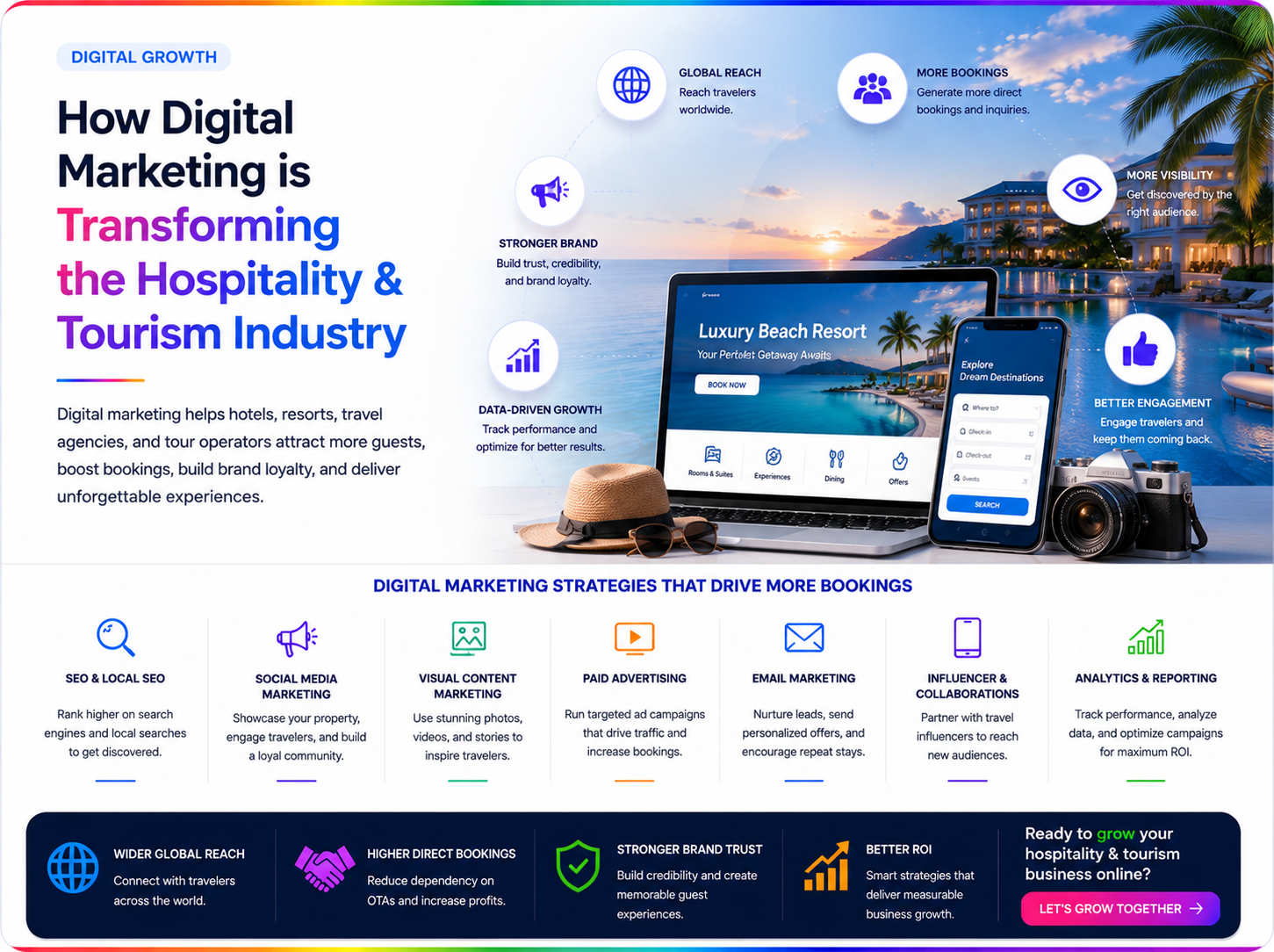
In today’s interconnected world, the hospitality and tourism industry is undergoing a profound transformation. The rise of digital marketing has redefined how hotels, resorts, travel agencies, and tour operators reach, engage, and delight travelers. With travelers increasingly relying on digital platforms for inspiration, research, booking, and sharing experiences, hospitality businesses must innovate or risk being left behind. This blog explores the unique digital marketing strategies steering industry success and offers actionable insights for businesses eager to attract and retain modern travelers.
The Digital Traveler’s Journey: From Inspiration to Booking
Travel begins long before a guest sets foot in a hotel or boards a plane. The digital traveler’s journey is a multi-stage adventure:
- Inspiration: Social media platforms like Instagram, TikTok, and Pinterest showcase stunning destinations and unique experiences, sparking wanderlust.
- Research: Travelers scour review sites, travel blogs, and YouTube for recommendations, tips, and authentic insights.
- Booking: Online travel agencies (OTAs), branded websites, and mobile apps simplify reservations, offering user-friendly interfaces and competitive pricing.
- Experience Sharing: Upon return, travelers share stories and visuals on social channels, influencing the next wave of explorers.
Understanding this digital journey helps hospitality brands craft targeted marketing strategies that resonate at every touchpoint.
Unique Digital Marketing Tactics for Hospitality & Tourism
To stand out in a crowded marketplace, businesses are leveraging innovative digital marketing techniques:
- Influencer Collaborations: Partnering with travel influencers enables hotels and destinations to reach new audiences authentically. Micro-influencers, in particular, generate trust and engagement through niche storytelling.
- Virtual Tours & Immersive Content: 360-degree videos, virtual reality (VR) experiences, and interactive photo galleries allow potential guests to explore properties and destinations from anywhere, reducing uncertainty and boosting bookings.
- Personalization with AI & Data: Advanced analytics and artificial intelligence enable hyper-personalized offers, recommendations, and communication. Tailored email campaigns and chatbot-powered customer support enhance the guest experience.
- User-Generated Content (UGC): Encouraging guests to share their experiences on social media creates a powerful pool of authentic content. Featuring UGC in marketing not only builds trust but also fosters a sense of community.
- Mobile-First Strategies: With the majority of travel research and bookings occurring on smartphones, optimizing websites and campaigns for mobile is essential. Mobile apps, SMS updates, and location-based offers further enhance engagement.
SEO: The Game Changer for Hospitality & Tourism
Search engine optimization (SEO) remains a cornerstone of digital marketing success in hospitality. Here’s how businesses can boost their online visibility:
- Local SEO: Claiming and optimizing Google My Business listings ensures hotels and attractions appear in local search results and map queries.
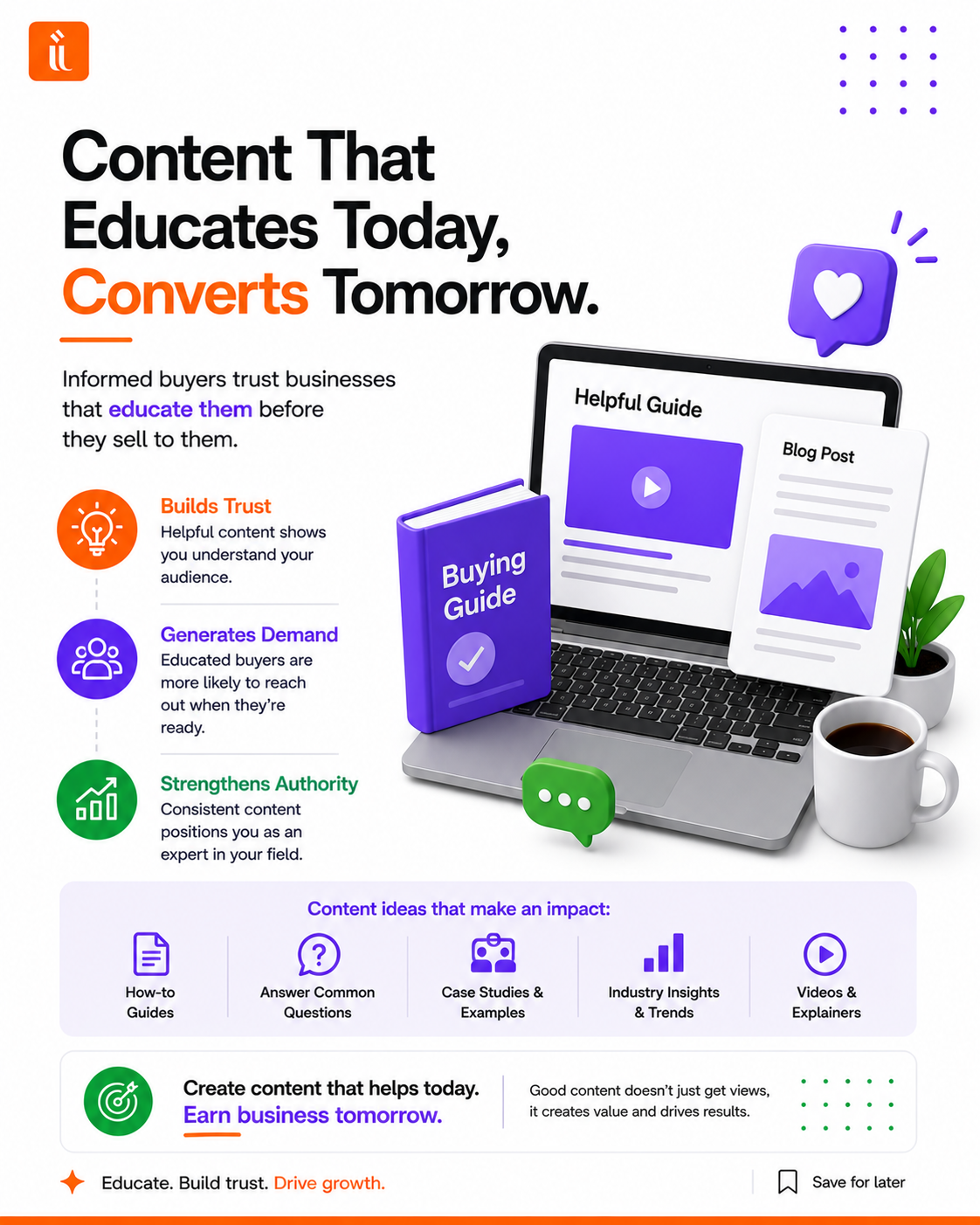
- Content Marketing: Publishing destination guides, travel tips, and event calendars on blogs attracts organic traffic and establishes authority.
- Schema Markup: Implementing structured data helps search engines understand business details, display rich snippets, and drive higher click-through rates.
- Reputation Management: Monitoring and responding to reviews on platforms like TripAdvisor and Yelp not only builds trust but can improve search rankings.
Social Media Storytelling: Creating Lasting Impressions
Social media is not just about posting beautiful pictures—it’s about telling compelling stories that connect emotionally with travelers. Brands like Marriott and Airbnb excel at sharing guest stories, behind-the-scenes glimpses, and destination highlights. Engaging social campaigns, such as Instagram contests or Facebook Live tours, invite participation and amplify reach.
Email Marketing: Nurturing Relationships Beyond the Stay
Hospitality businesses can use email not just for confirmations, but to nurture guest relationships:
- Pre-arrival Tips: Share weather updates, packing lists, and local events to build anticipation.
- Personalized Offers: Send tailored promotions based on guest preferences and booking history.
- Post-Stay Engagement: Request feedback, invite loyalty program sign-ups, and promote future stays.
Data Privacy and Building Trust in a Digital Age
With the benefits of digital marketing come new responsibilities. Travelers are increasingly concerned about how their data is collected and used. Clear privacy policies, robust cybersecurity measures, and transparent communication are essential for building and maintaining trust.
Measuring Success: Analytics and Continuous Improvement
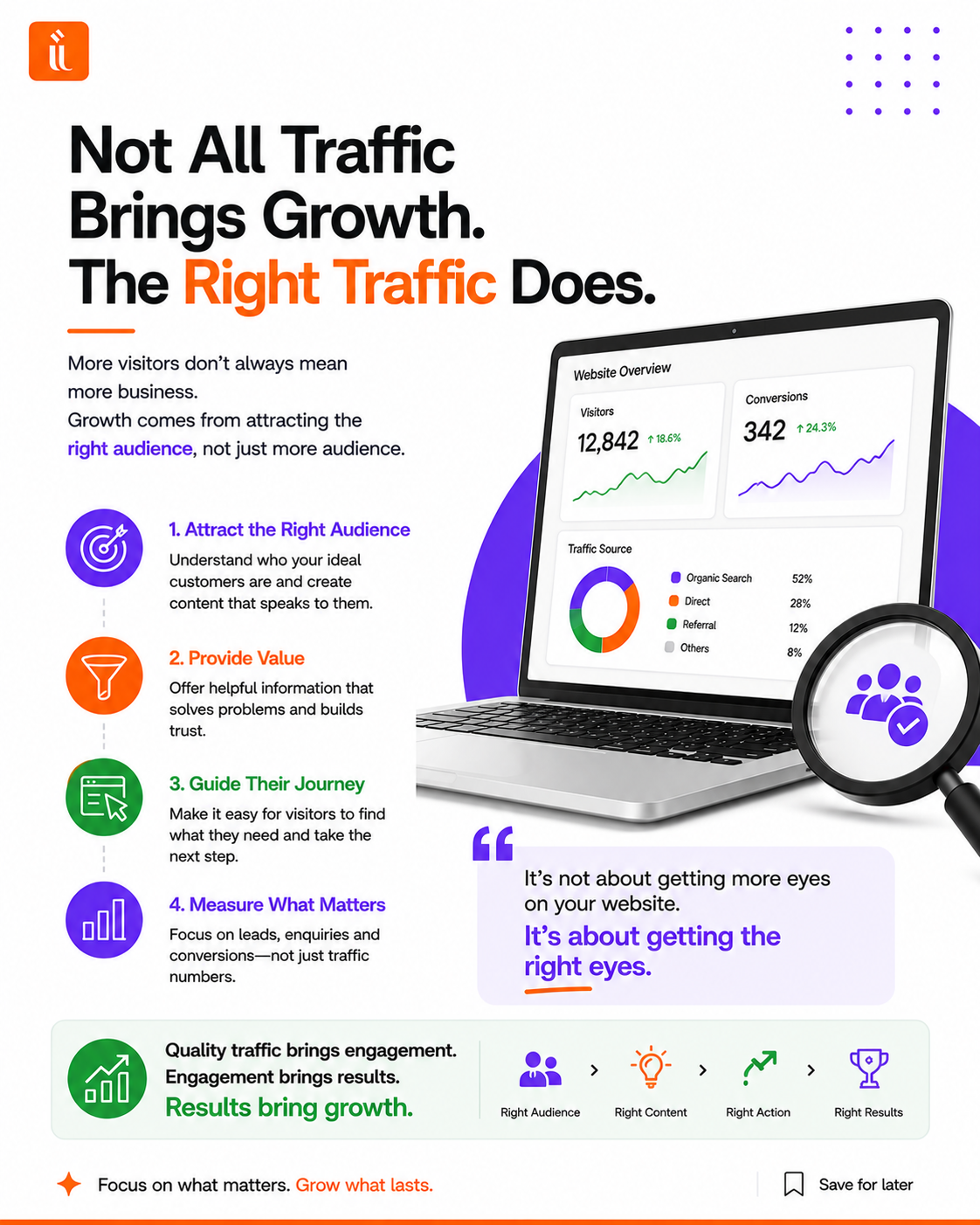
Digital marketing’s true power lies in its measurability. Analytics tools track everything from website traffic and booking conversions to social media engagement and email open rates. By analyzing this data, hospitality businesses can refine strategies, allocate budgets effectively, and maximize ROI.
Future Trends: What’s Next for Digital Marketing in Hospitality & Tourism?
As technology evolves, so too will digital marketing tactics. Watch for the expansion of voice search, AI-powered travel planning, and the use of augmented reality (AR) for on-site guest experiences. Sustainability messaging and eco-friendly practices will become increasingly important to appeal to conscientious travelers.
Conclusion: Seizing the Digital Opportunity
The digital revolution in hospitality and tourism is here to stay. By embracing innovative marketing strategies, prioritizing personalization, and building authentic connections with guests, businesses can thrive in a competitive landscape. Those who adapt quickly will not only attract new travelers but also inspire lasting loyalty in the digital age.