
The Digital Media Revolution: An Overview
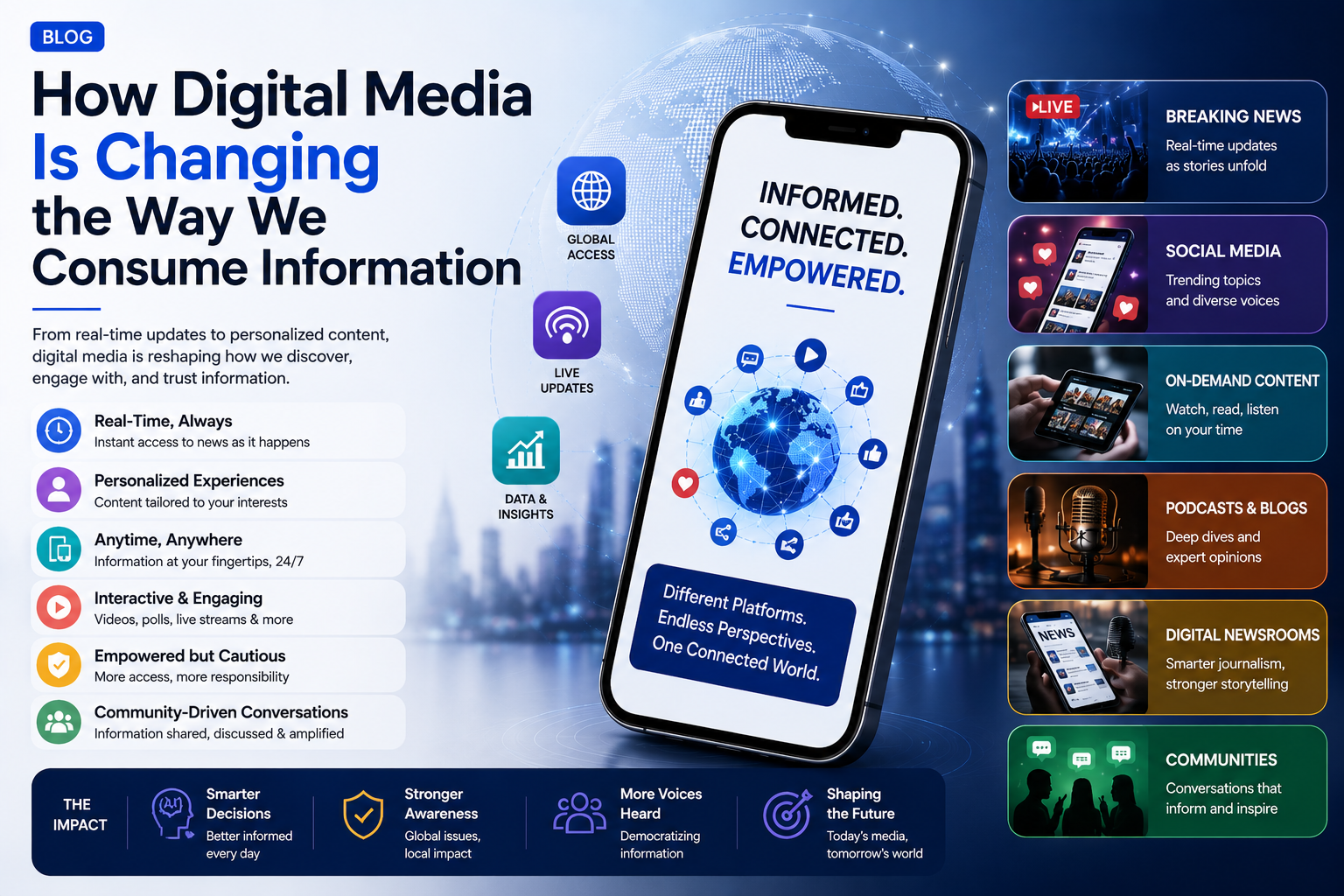
Over the past two decades, digital media has transformed the way we interact with information. Whether through social media platforms, news websites, or video streaming services, the proliferation of digital tools has reshaped how, when, and where we access knowledge. In today's connected world, information is available at our fingertips, and the impact of this shift is felt across generations and industries alike.
From Print to Pixels: The Evolution of Information Consumption
In the past, most people relied on print newspapers, magazines, and television broadcasts for news and updates. The advent of the internet introduced a new era, marked by the rise of blogs, online news portals, and digital libraries. Today, smartphones and tablets allow us to access information instantly, wherever we are.
Speed and Accessibility
One of the primary benefits of digital media is speed. News breaks on Twitter within seconds, and live blogs update readers in real time. Search engines like Google enable users to find answers to their questions almost instantly. This immediacy has fundamentally altered our expectations—waiting for the next morning's paper now seems archaic.
Personalization and Algorithms
Another significant shift is the personalization of content. Sophisticated algorithms track our behavior online and curate information tailored to our interests. Platforms like Facebook, Instagram, and TikTok use machine learning to select stories, videos, and posts that they predict we’ll engage with most. While this can increase relevance, it also raises concerns about echo chambers and filter bubbles.
Social Media: The New Information Superhighway
Social media platforms have become major gateways for news and information. According to the Pew Research Center, over half of adults in the United States get at least some news from social media. Platforms like Twitter and Reddit allow for rapid sharing and discussion of current events, often outpacing traditional news outlets in breaking stories.
- Citizen Journalism: Ordinary people can now report news as it happens, using their smartphones to document events and share them with the world.
- Virality: Information—accurate or otherwise—can go viral in minutes, reaching millions before traditional media can verify or respond.
- Engagement: Users interact directly with content, comment, share opinions, and participate in public discourse like never before.
The Rise of Multimedia Content
Digital media isn't limited to text. Podcasts, YouTube videos, infographics, and live streams offer varied ways to consume information. Visual and audio formats appeal to different learning styles and make complex topics more accessible and engaging.
Podcasts and Audio Content
Podcasts have surged in popularity, providing in-depth discussions on topics ranging from politics to pop culture. Platforms like Spotify and Apple Podcasts offer thousands of options, many of which are free and available on demand.
Short-Form Video
Apps like TikTok and Instagram Reels have popularized short-form video, delivering information in bite-sized, entertaining formats. This trend caters to shorter attention spans and the desire for quick, digestible content.
Challenges in the Digital Age
While digital media offers unprecedented access and convenience, it also presents challenges:
- Misinformation and Fake News: The ease of publishing online means false or misleading information can spread rapidly, making critical thinking and media literacy more important than ever.
- Information Overload: With the sheer volume of content available, users may feel overwhelmed, struggling to filter valuable information from noise.
- Privacy Concerns: Personalization comes at a price—our data is constantly being tracked and analyzed, raising questions about privacy and data security.
Adapting to the New Information Landscape
To thrive in the digital era, consumers must develop new skills:
- Media Literacy: The ability to critically evaluate sources and discern credible information is crucial.
- Time Management: Setting boundaries for screen time and information intake helps prevent burnout.
- Privacy Awareness: Understanding how personal data is used and taking steps to protect it is increasingly important.
The Future of Information Consumption
As technology continues to evolve, so will our relationship with information. Artificial intelligence, augmented reality, and virtual reality promise to create even more immersive and interactive experiences. The challenge—and opportunity—lies in harnessing these tools responsibly to foster informed, engaged communities.
Conclusion
Digital media has undeniably changed how we consume information, making it more immediate, personalized, and interactive. While this transformation presents challenges, it also offers remarkable opportunities for learning, engagement, and connection. As we navigate this digital landscape, embracing media literacy and critical thinking will be key to making the most of our connected world.