

Introduction
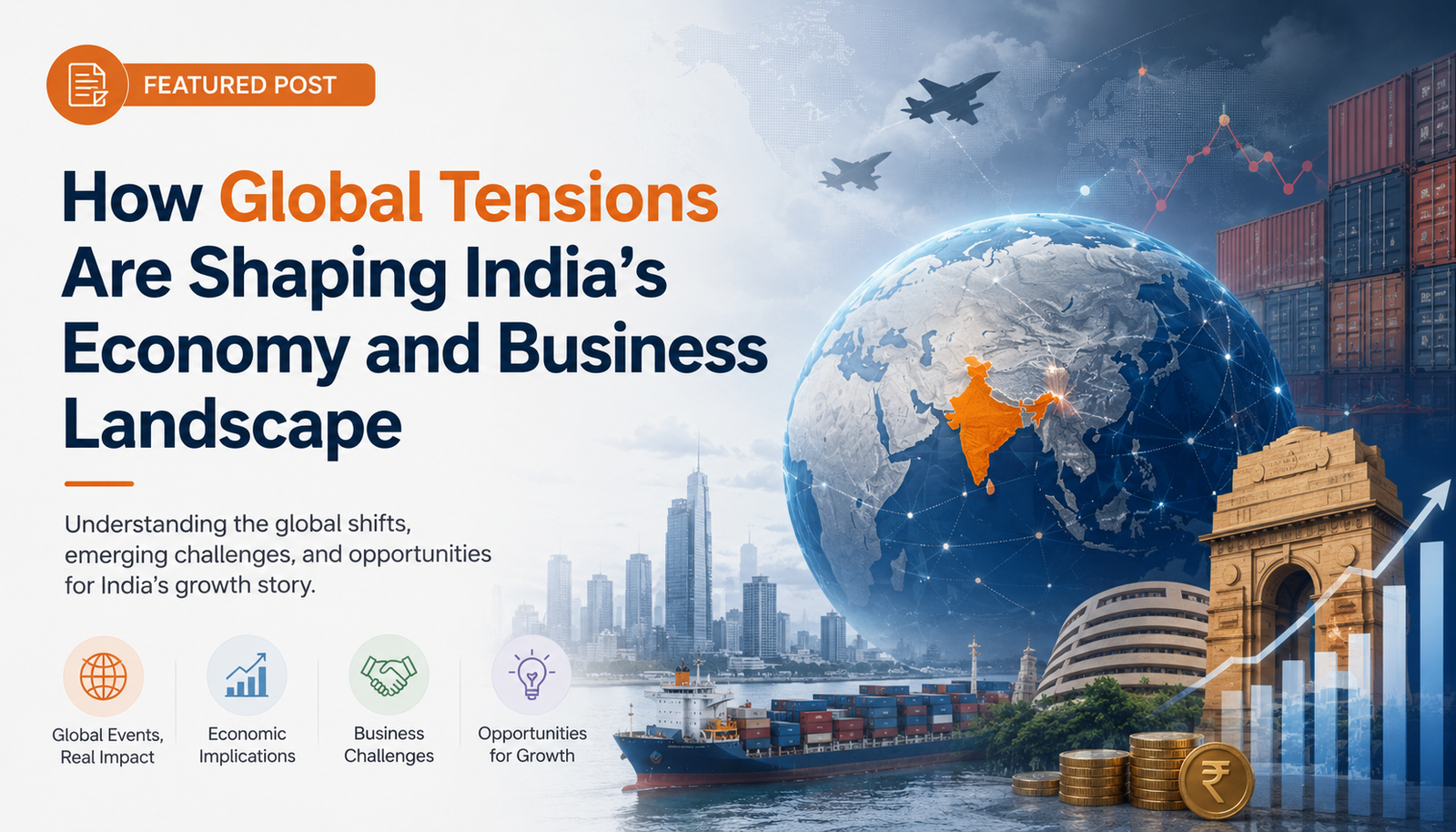
Recent geopolitical developments have sent ripples across the global economy. As the United States intensifies its economic offensive against Iran and Russian airstrikes on Ukraine escalate, concerns over regional shipping security have mounted. These events are not taking place in isolation; they are deeply interconnected and have profound implications for countries around the world, including India. In this blog post, we analyze how these unfolding crises are impacting India's economy and businesses, and what strategies Indian enterprises can adopt to navigate this uncertain landscape.
U.S. Economic Offensive Against Iran: The Ripple Effects
Sanctions and Their Global Impact
The United States has ramped up its economic sanctions against Iran, targeting sectors like oil, finance, and shipping. While the primary aim is to pressure Iran politically, the effects are felt globally, especially in countries with significant trade ties to Iran—including India.
- Energy Security: India has historically relied on Iran for a portion of its crude oil imports. Sanctions limit access, making energy procurement more challenging and potentially more expensive.
- Alternative Suppliers: To mitigate risks, India has increased imports from countries like Iraq, Saudi Arabia, and the United States, but this diversification often comes with higher costs and logistical challenges.
- Payment Hurdles: Restrictions on financial transactions with Iran complicate trade settlements, forcing Indian businesses to seek alternative payment mechanisms, sometimes at the cost of transparency and efficiency.
Impact on Indian Businesses
Indian refineries, shipping companies, and exporters of commodities such as rice, tea, and pharmaceuticals have to adapt quickly to the new regulatory environment. Sanctions disrupt established supply chains and create uncertainty around contracts and payments.
Moreover, as global oil prices become volatile due to supply disruptions, downstream industries in India—such as transportation, manufacturing, and chemicals—face increased input costs. This, in turn, can lead to inflationary pressures and affect consumer spending patterns.
Russian Airstrikes on Ukraine: Escalating Uncertainty
The War's Economic Fallout
Russia's ongoing military aggression in Ukraine continues to destabilize global markets. The war has led to volatility in energy, commodities, and currency markets, which has direct and indirect repercussions for India.
- Commodity Prices: Both Russia and Ukraine are major exporters of wheat, corn, and fertilizers. Disruptions in shipments have caused prices to surge, impacting Indian importers and food processors.
- Energy Markets: As European countries seek alternatives to Russian gas, global demand for liquefied natural gas (LNG) rises, pushing up prices for India, a major LNG importer.
- Currency Volatility: The rupee has experienced fluctuations as global investors seek safer assets amid geopolitical tensions, affecting the cost of imports and overseas borrowing for Indian businesses.
Strategic Partnerships and Opportunities
Amid the chaos, India has sought to maintain a balanced diplomatic posture. It continues to import discounted Russian oil, which helps cushion the impact of global price hikes. Indian businesses in defense, IT, and pharmaceuticals are also exploring new markets and partnerships to offset losses elsewhere.
Regional Shipping Security Concerns
Choke Points and Trade Routes
With heightened tensions in the Middle East and the Black Sea region, crucial shipping lanes such as the Strait of Hormuz and the Suez Canal face growing security threats. These routes are vital for India's trade, especially for energy and containerized goods.
- Increased Insurance Costs: Rising risks have led to higher insurance premiums for ships passing through conflict zones, increasing the cost of imports and exports.
- Delays and Disruptions: Security incidents can result in detours or delays, affecting supply chain reliability and just-in-time manufacturing processes in India.
- Supply Chain Resilience: Indian businesses are investing in supply chain diversification and digital tracking solutions to mitigate risks associated with shipping disruptions.
How Indian Businesses Are Adapting
Risk Management and Diversification
Indian companies are increasingly prioritizing risk management. Key strategies include:
- Supplier Diversification: Reducing dependence on a single country or region for critical imports, such as oil and fertilizers.
- Hedging Strategies: Using financial instruments to manage currency and commodity price volatility.
- Technology Investments: Implementing advanced analytics and supply chain management tools to improve resilience and responsiveness.
- Exploring New Markets: Expanding exports to countries less affected by the current geopolitical tensions.
Government Support and Policy Interventions
The Indian government is also stepping up to support businesses:
- Negotiating energy deals and securing alternative suppliers to ensure steady fuel supplies.
- Facilitating rupee-based trade arrangements with select countries to bypass dollar-based sanctions and payment barriers.
- Enhancing port security and logistics infrastructure to safeguard maritime trade.
Looking Ahead: The Road to Resilience
The convergence of aggressive economic policies, military conflicts, and shipping security threats underscores the need for Indian businesses to be agile and forward-thinking. While challenges remain, India’s large domestic market, diverse export base, and growing digital capabilities provide a strong foundation for adaptation.
Companies that invest in risk management, innovation, and government collaboration will be best positioned to thrive in this complex global environment. Staying informed, agile, and resilient is crucial as global dynamics continue to shift.
Conclusion
The U.S. economic offensive against Iran, intensified Russian airstrikes on Ukraine, and regional shipping security concerns are reshaping the global business landscape. For India, these events pose significant challenges—but also offer opportunities for strategic realignment and growth. By adopting robust risk management practices and leveraging emerging market opportunities, Indian businesses can not only weather the storm but emerge stronger in a rapidly changing world.