
The Digital Media Revolution: A Game Changer for Marketing
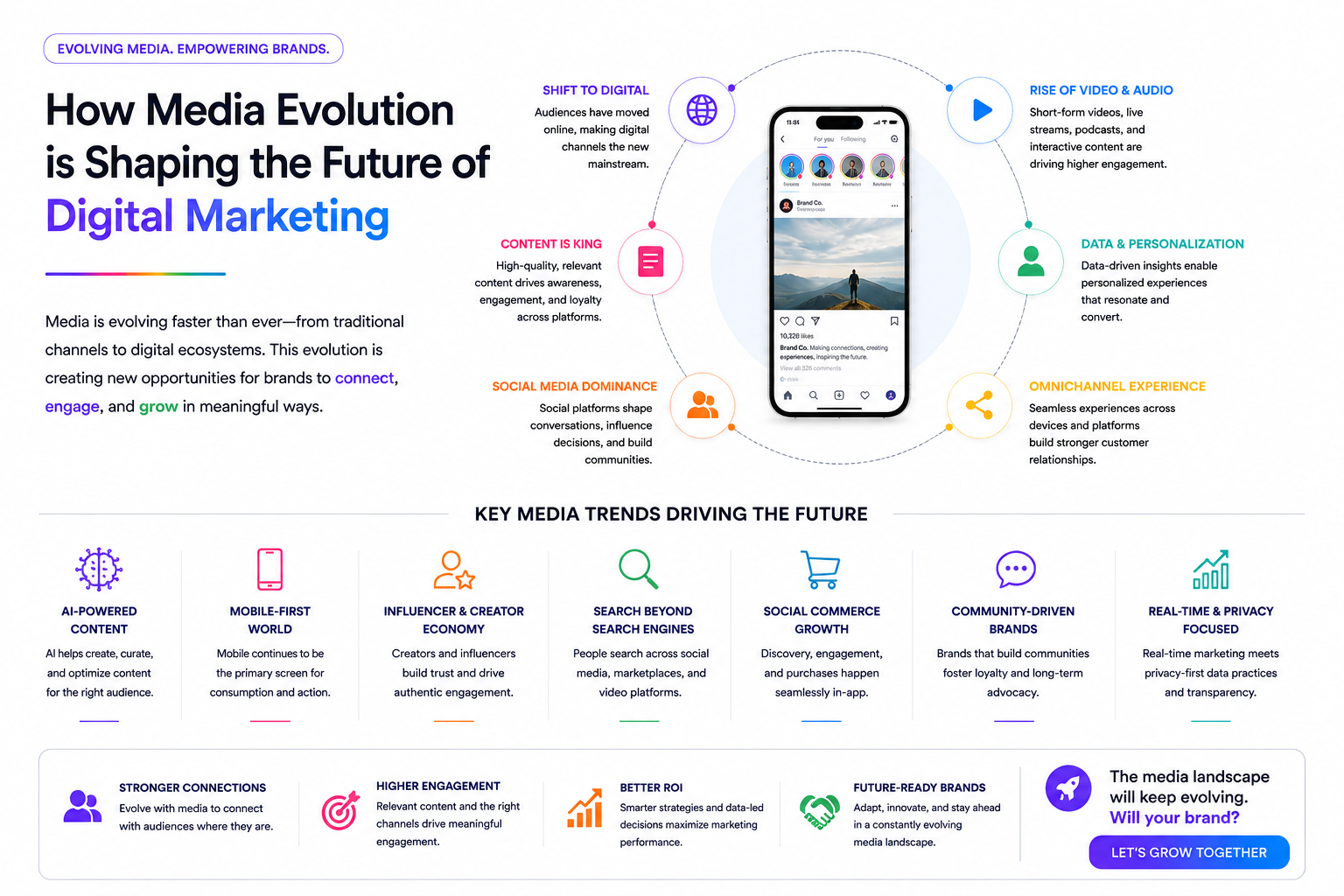
In today's hyper-connected world, digital media has fundamentally transformed how brands connect with their audiences. From the rise of social media platforms to the emergence of streaming services, the digital media landscape is constantly evolving. This evolution brings both exciting opportunities and new challenges for digital marketers striving to stay ahead in a rapidly changing environment.
Understanding Digital Media in Modern Marketing
Digital media encompasses all online content formats, including images, videos, podcasts, articles, and interactive experiences shared through websites, apps, and social platforms. Unlike traditional media such as print and broadcast TV, digital media offers real-time engagement, data-driven targeting, and scalable reach. As consumer behavior shifts increasingly toward digital platforms, organizations must adapt their marketing strategies to leverage these new media channels effectively.
Key Trends Driving Digital Marketing in 2024
- Short-form Video Dominance: Platforms like TikTok, Instagram Reels, and YouTube Shorts have skyrocketed in popularity, with short, engaging videos proving to be powerful tools for brand storytelling and virality.
- Influencer Partnerships: Collaborating with influencers—both macro and micro—allows brands to tap into established communities, boosting credibility and extending reach in niche markets.
- Personalized Content Experiences: Advances in AI and data analytics enable marketers to create hyper-personalized content, delivering the right message to the right person at the right time.
- Interactive Media: Polls, quizzes, live streams, and augmented reality experiences are making digital marketing more engaging and participatory than ever before.
- Audio Content Expansion: Podcasts and audio ads are growing rapidly, providing new ways for brands to connect with audiences on-the-go.
The Power of Data-Driven Strategies
One of the most significant advantages of digital media is the ability to collect and analyze data in real time. Marketers can track user behavior, measure campaign effectiveness, and refine strategies for optimal performance. Key metrics such as click-through rates, conversion rates, and customer lifetime value provide invaluable insights for continuous improvement.
- Audience Insights: Digital analytics platforms help brands understand audience demographics, preferences, and pain points, enabling smarter segmentation and targeting.
- A/B Testing: With digital campaigns, marketers can easily test different creatives, messages, and offers to determine what resonates most with their audience.
- ROI Optimization: By tracking performance across multiple channels, brands can allocate budget more efficiently and maximize return on investment.
Challenges in the Evolving Media Landscape
While the opportunities are vast, digital marketers also face new challenges as media continues to evolve. Key concerns include:
- Content Saturation: With so much content being produced, cutting through the noise requires creativity, authenticity, and a deep understanding of audience needs.
- Privacy Regulations: GDPR, CCPA, and other privacy laws are reshaping how brands collect and use consumer data, necessitating transparent and compliant practices.
- Platform Algorithm Changes: Frequent updates to social media algorithms can impact organic reach, requiring brands to stay agile and adapt their strategies quickly.
Best Practices for Leveraging Media in Digital Marketing
To succeed in the dynamic digital media environment, marketers should embrace these best practices:
- Create Value-Driven Content: Focus on delivering content that entertains, educates, or solves problems for your audience.
- Embrace a Multi-Channel Approach: Diversify your media mix to include social, video, audio, and interactive content to reach audiences where they are most active.
- Leverage Automation and AI: Use advanced tools for personalized content recommendations, chatbots, and automated campaign management.
- Monitor Trends and Adapt: Stay informed about emerging platforms and changing consumer behaviors to keep your strategy relevant.
Looking Ahead: The Future of Media in Digital Marketing
As technology continues to advance, the integration of augmented reality (AR), virtual reality (VR), and immersive experiences will further blur the lines between digital and physical marketing. Brands that prioritize adaptability, creativity, and audience-centric strategies will be best positioned to thrive in the next wave of digital media innovation.
Conclusion
The evolution of media is reshaping digital marketing, offering unprecedented opportunities for engagement and growth. By staying on top of trends, leveraging data-driven insights, and embracing innovative content formats, brands can build deeper connections with their audiences and drive lasting success in the digital age.
References
- HubSpot. (2024). The State of Marketing Report. Retrieved from https://www.hubspot.com
- Statista. (2023). Digital Media Usage Worldwide. Retrieved from https://www.statista.com
- Sprout Social. (2024). Social Media Trends in 2024. Retrieved from https://sproutsocial.com