
Introduction: The Tide is Turning in Marine & Shipping Marketing
The marine and shipping industry, once anchored by traditional business tactics, is now setting sail into the digital era. As global trade evolves and competition intensifies, digital marketing is no longer optional—it’s essential. But how can marine and shipping companies leverage digital strategies to stay ahead of the curve?
Why Digital Marketing Matters in Marine & Shipping
Digital transformation has redefined how customers discover, evaluate, and choose marine and shipping services. From shipbuilders and freight forwarders to logistics and port operators, the digital landscape offers immense opportunities to reach new clients, showcase expertise, and drive growth.
Key Benefits of Digital Marketing for Marine & Shipping
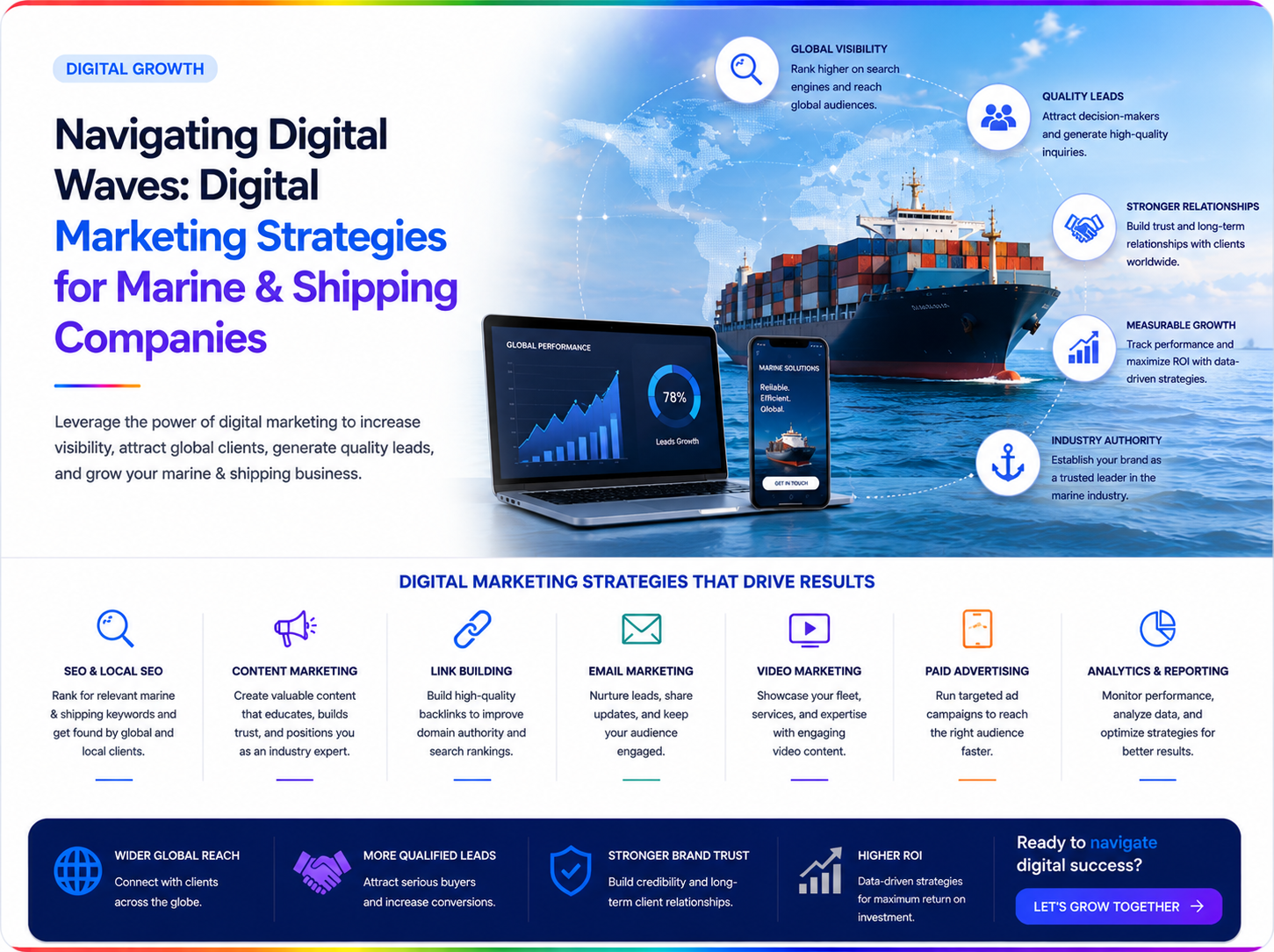
- Global Reach: Engage clients and partners worldwide, 24/7.
- Cost Efficiency: Reduce expenses compared to print, events, and traditional advertising.
- Brand Authority: Build trust and credibility with thought leadership content and online reviews.
- Lead Generation: Attract qualified leads through targeted campaigns and valuable content.
- Data-Driven Insights: Optimize campaigns in real time based on performance analytics.
Proven Digital Marketing Strategies for Marine & Shipping Companies
1. Build a Strong, SEO-Optimized Website
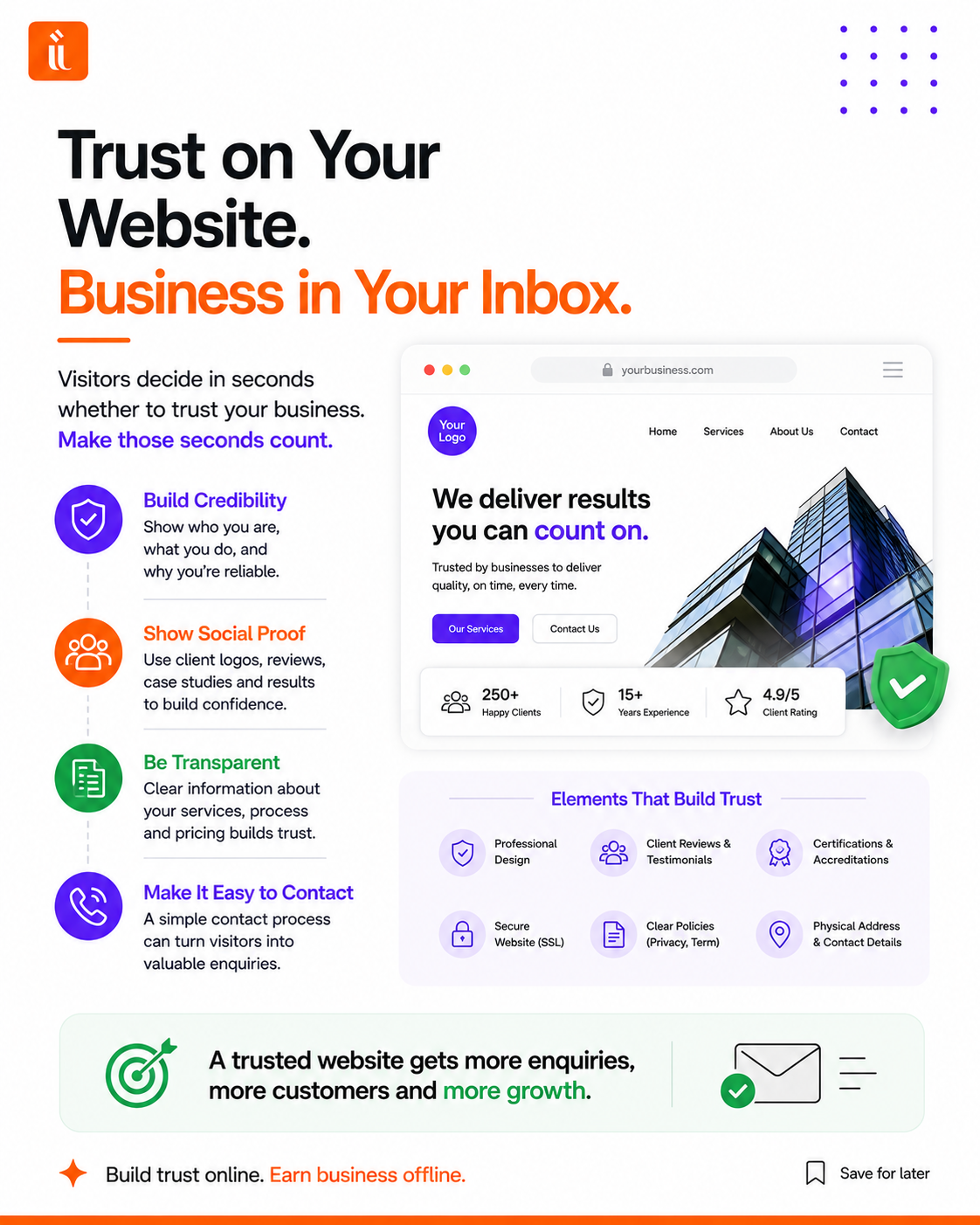
Your website is the digital anchor of your business. Ensure it’s professionally designed, mobile-responsive, and optimized for search engines. Incorporate relevant keywords like “marine logistics,” “international shipping services,” and “freight forwarding solutions” into your site content, meta tags, and headings. Provide clear calls-to-action (CTAs) to guide visitors toward inquiries or quote requests.
2. Harness the Power of Content Marketing
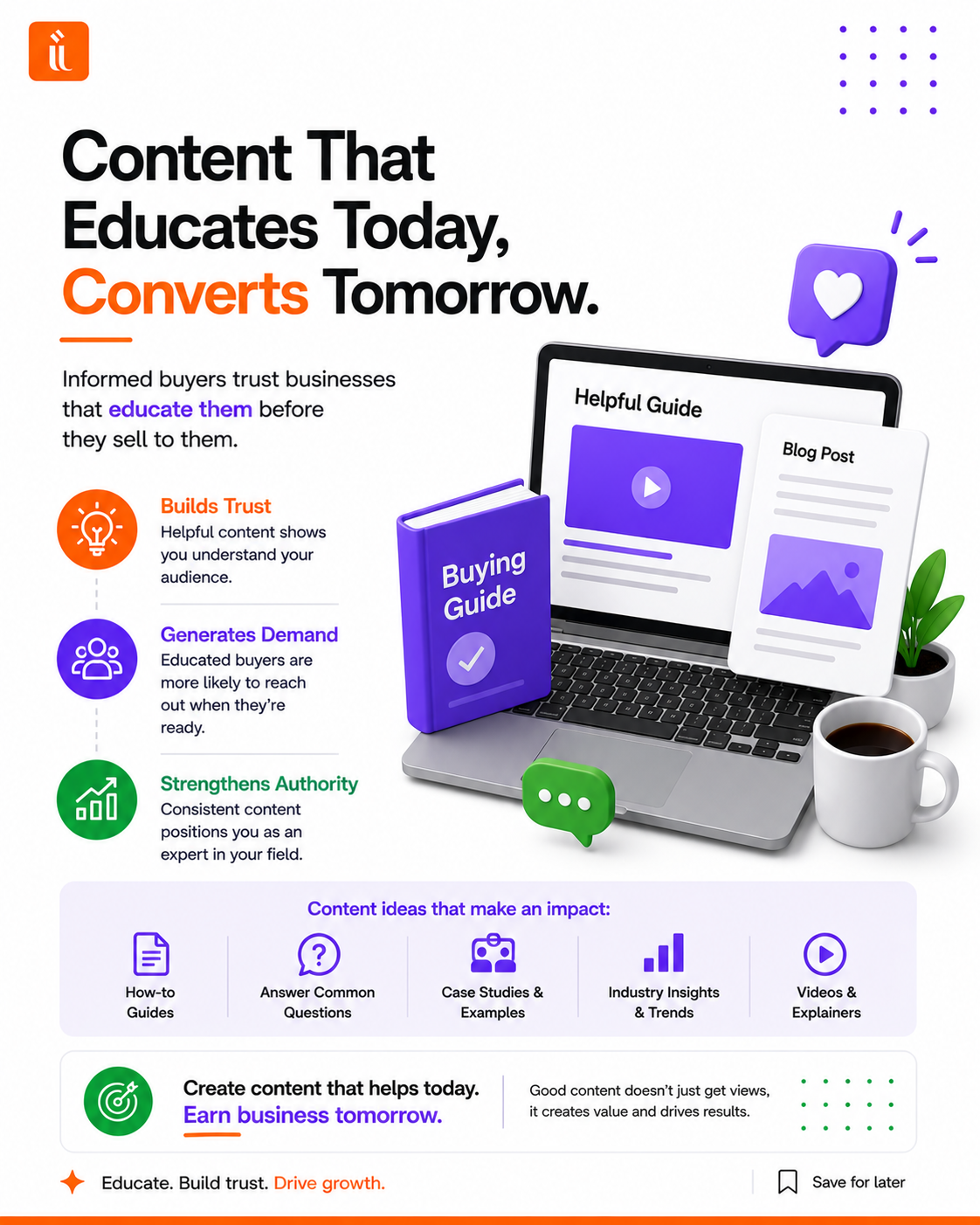
Content marketing positions your company as an industry leader and nurtures potential clients through the decision-making process. Consider the following tactics:
- Blog Posts: Share insights on shipping trends, regulatory updates, port technology, or sustainability practices.
- Whitepapers & Case Studies: Demonstrate expertise and showcase successful projects.
- Videos & Virtual Tours: Offer behind-the-scenes looks at your fleet, facilities, or innovative solutions.
3. Leverage Social Media Platforms
Marine and shipping businesses can benefit greatly from platforms like LinkedIn, Facebook, and even Instagram. Use these channels to:
- Highlight fleet upgrades, project milestones, and company news.
- Share industry updates and thought leadership articles.
- Engage with partners, clients, and stakeholders through comments and direct messages.
4. Invest in Pay-Per-Click (PPC) Advertising
Google Ads and LinkedIn Ads allow precise targeting of decision-makers in the maritime sector. With PPC, you can drive immediate traffic to your website, promote services like cargo shipping or vessel chartering, and remarket to previous site visitors.
5. Implement Email Marketing Campaigns
Email remains a trusted channel for B2B communication in the marine industry. Build segmented email lists to send:
- Industry newsletters with market insights and regulatory changes.
- Personalized offers or event invitations.
- Updates on shipping schedules and new services.
6. Emphasize Online Reputation Management
In an industry built on reliability and trust, online reviews and testimonials are invaluable. Encourage satisfied clients to leave feedback on Google, LinkedIn, and maritime directories. Respond to reviews—both positive and negative—to show you value customer input.
Emerging Trends: The Future of Digital in Marine & Shipping
Artificial Intelligence & Automation
AI-driven tools are streamlining everything from predictive maintenance to customer service chatbots. Marketing teams can use AI for advanced data analysis, personalized recommendations, and automated follow-ups.
Interactive Virtual Experiences
Virtual reality (VR) and 360-degree videos are transforming how companies showcase vessels, terminals, and safety protocols. These immersive experiences can set your company apart in a crowded market.
Data-Driven Personalization
Advanced analytics enable hyper-targeted messaging based on client preferences, shipping routes, and seasonal demand. Personalization boosts engagement and conversion rates.
Challenges and Solutions in Marine Digital Marketing
- Complex Decision Cycles: B2B marine sales often involve multiple stakeholders and long timelines. Solution: Nurture leads with informative content and tailored follow-ups.
- Technical Subject Matter: Shipping services can be complex. Solution: Simplify jargon, use visuals, and focus on customer benefits.
- Global Compliance: Regulations vary by region. Solution: Stay updated on data privacy laws and ensure transparency in your digital communications.
Getting Started: Practical Steps for Success
- Audit Your Current Digital Presence: Analyze your website, content, and social media channels.
- Define Clear Objectives: Set measurable goals—more leads, higher traffic, improved brand awareness, etc.
- Develop a Content Calendar: Plan regular blog posts, social updates, and email campaigns.
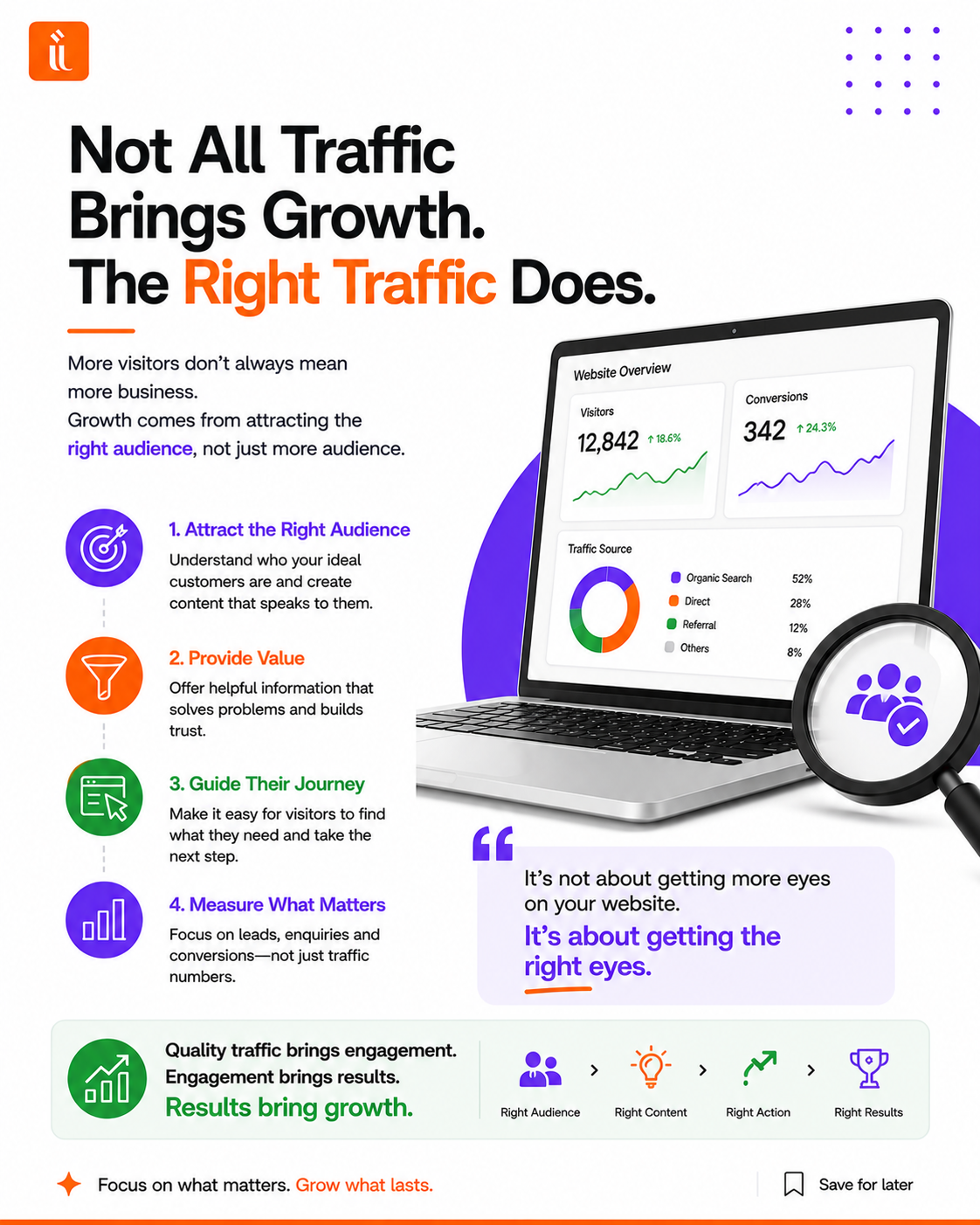
- Track, Measure, and Improve: Use tools like Google Analytics and LinkedIn Insights to monitor performance and refine your approach.
Conclusion: Set Sail for Digital Success
The marine and shipping industry is on the brink of a digital revolution. By embracing digital marketing, your company can navigate new opportunities, strengthen global relationships, and chart a course for long-term growth. Now is the time to invest in digital strategies and ensure your brand sails confidently into the future.