

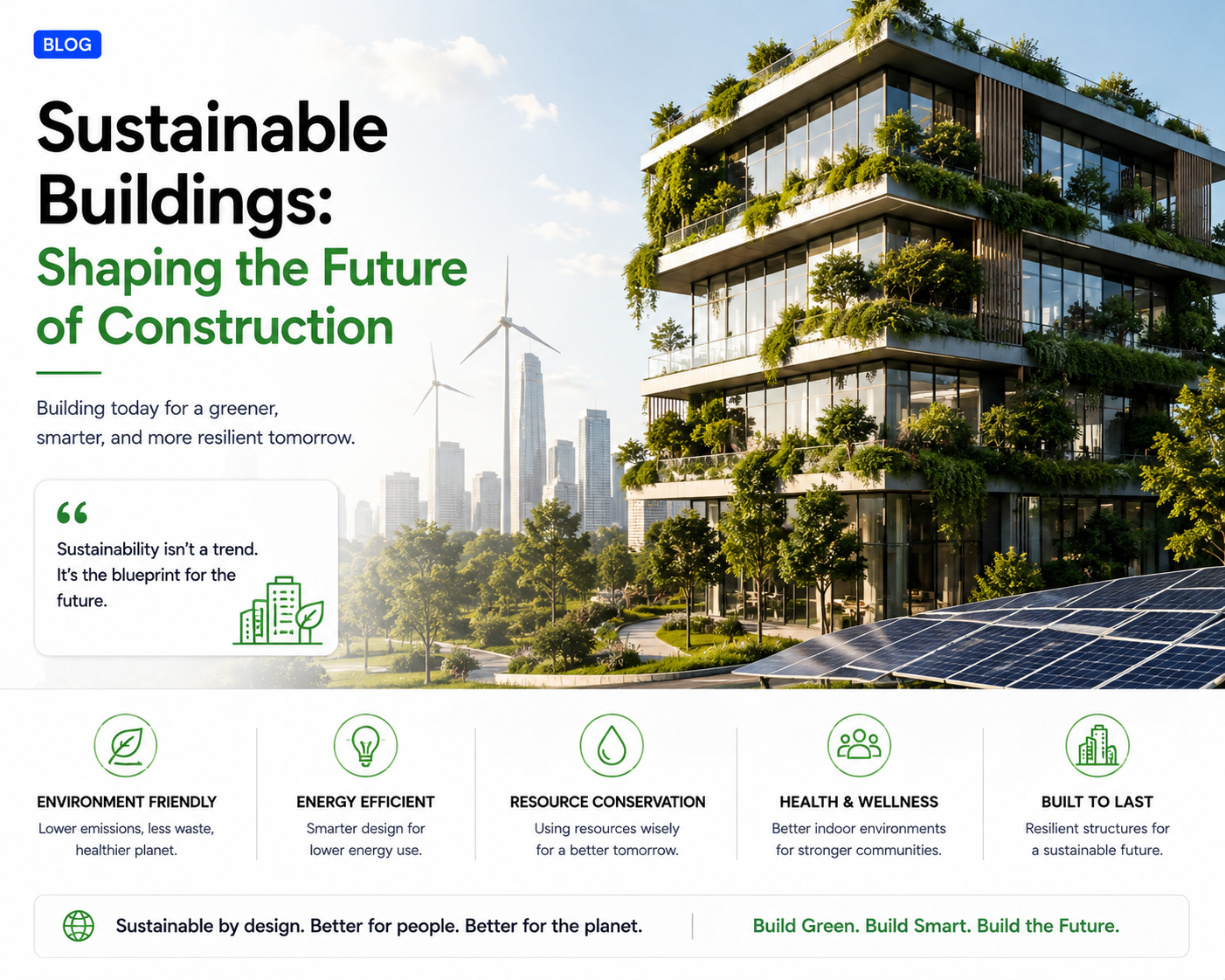
The Rise of Sustainable Buildings in Modern Construction
The construction industry is undergoing a transformative shift, with sustainability rapidly becoming the cornerstone of new building projects. As concerns over climate change, resource depletion, and urbanization intensify, sustainable buildings are emerging as the future of construction. From green rooftops to energy-efficient materials, these innovations are not just trends—they’re necessities for a healthier planet and a resilient built environment.
What Are Sustainable Buildings?
Sustainable buildings, often referred to as green buildings, are designed, constructed, and operated to minimize their environmental impact while maximizing energy efficiency and occupant well-being. This approach encompasses everything from energy and water usage to materials selection and waste minimization. The goal is to create structures that are environmentally responsible, economically viable, and healthy for people to live and work in.
Key Characteristics of Sustainable Buildings
- Energy Efficiency: Utilizing advanced insulation, smart HVAC systems, and renewable energy sources like solar panels to reduce energy consumption.
- Water Conservation: Incorporating low-flow fixtures, rainwater harvesting, and greywater recycling to minimize water usage.
- Eco-Friendly Materials: Using recycled, locally sourced, and non-toxic materials to lessen the environmental footprint.
- Indoor Environmental Quality: Ensuring good air quality, natural lighting, and thermal comfort for occupants.
- Waste Reduction: Implementing construction methods that generate less waste and promote recycling and reuse.
Why Sustainable Buildings Matter
Buildings are responsible for approximately 40% of global energy consumption and 33% of greenhouse gas emissions. Transitioning to sustainable construction practices can drastically reduce these figures. Not only do green buildings lower carbon footprints, but they also offer significant financial benefits over their lifecycle, including reduced energy bills, increased property values, and lower maintenance costs.
Benefits for Occupants and Communities
- Healthier Living and Working Spaces: Improved indoor air quality and natural light contribute to better physical and mental health.
- Economic Savings: Lower utility bills and maintenance costs benefit both owners and tenants.
- Community Resilience: Sustainable buildings often support local economies by sourcing materials locally and creating green jobs.
Trending Innovations in Sustainable Construction
The future of sustainable buildings is being shaped by rapid technological advancements and evolving industry standards. Here are some trending innovations making headlines in 2024:
- Smart Building Technology: IoT devices and building management systems optimize energy usage in real-time, adapting to occupant needs and reducing waste.
- Mass Timber Construction: Engineered wood products are replacing steel and concrete, offering a renewable alternative with a lower carbon footprint.
- Net-Zero Energy Buildings: These structures generate as much energy as they consume annually, often through onsite solar panels and advanced insulation.
- Biophilic Design: Integrating nature into building design through green walls, indoor gardens, and natural materials improves well-being and productivity.
- Modular and Prefabricated Construction: Prefab components minimize waste, speed up project timelines, and reduce onsite energy use.
Challenges to Sustainable Construction
Despite its advantages, sustainable construction faces hurdles. Initial costs for green technologies and materials can be higher than conventional alternatives. Regulatory frameworks and building codes may lag behind technological advancements, creating obstacles for widespread adoption. Additionally, there is a need for skilled professionals trained in sustainable design and construction practices.
However, as demand grows and technologies mature, costs are expected to decrease. Government incentives, such as tax credits and grants, are also encouraging builders and developers to adopt greener practices.
The Path Forward: Making Sustainability Standard
The momentum behind sustainable buildings is unmistakable. Governments, corporations, and consumers alike recognize the urgent need for eco-friendly construction. As green certifications like LEED, BREEAM, and WELL become industry standards, sustainable buildings are poised to become the norm rather than the exception.
Embracing sustainability in construction doesn’t just protect the environment—it future-proofs assets, enhances occupant satisfaction, and strengthens communities. For developers, architects, and building owners, the message is clear: investing in sustainable buildings is not just good ethics—it’s smart business.
How to Get Started
- Consult with Green Building Experts: Engage architects and engineers experienced in sustainable design.
- Pursue Green Certifications: Aim for recognized standards like LEED or BREEAM to guide and validate your efforts.
- Incorporate Renewable Energy: Install solar panels, wind turbines, or geothermal systems where feasible.
- Educate Stakeholders: Provide training and resources for builders, occupants, and maintenance teams.
Conclusion
Sustainable buildings are redefining the future of construction, offering a path toward environmental responsibility, economic efficiency, and enhanced quality of life. By embracing green technologies and practices, the industry can rise to meet the challenges of our time while building a greener, healthier world.
References
- World Green Building Council. (2023). Benefits of Green Buildings. worldgbc.org
- U.S. Green Building Council. (2024). LEED Certification. usgbc.org
- International Energy Agency. (2023). Buildings: A Source of Huge Energy Savings. iea.org