
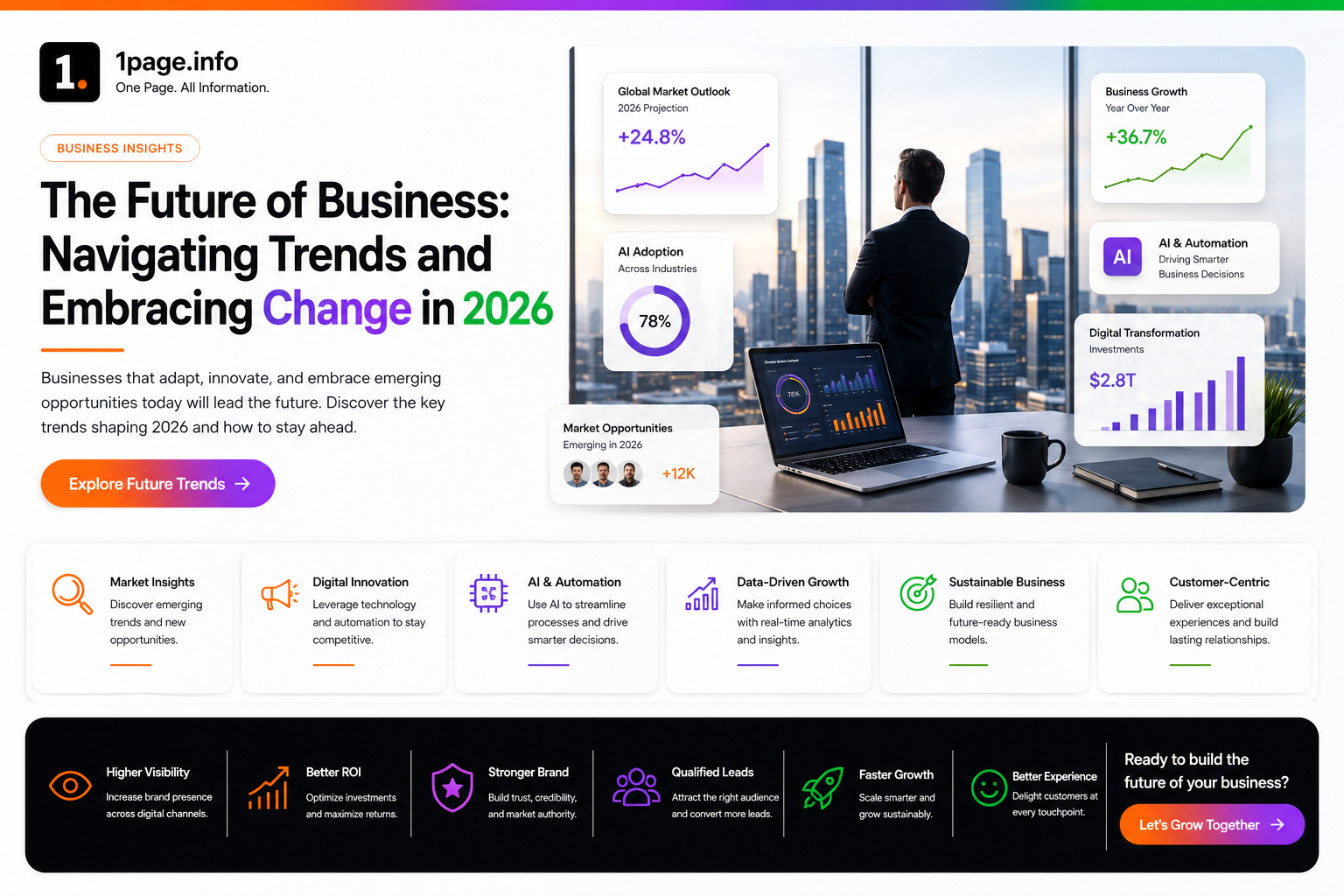
The Business Landscape in 2026: A New Era of Change
The world of business is evolving at an unprecedented pace. Driven by rapid technological advancements, shifting consumer behaviors, and global economic changes, 2026 promises to be a pivotal year for organizations across all sectors. For forward-thinking businesses, recognizing and adapting to these trends is crucial for long-term success.
Key Trends Shaping the Future of Business
1. Digital Transformation Accelerated
Digital transformation is no longer optional—it's essential. By 2026, businesses that fully embrace cloud computing, artificial intelligence (AI), and automation will have a distinct competitive edge. These technologies not only streamline operations but also enable innovative business models, faster decision-making, and enhanced customer experiences.
- AI Integration: From chatbots handling customer service to predictive analytics optimizing supply chains, AI will permeate all aspects of business.
- Remote & Hybrid Work: Flexible work models, powered by robust digital infrastructure, will remain the norm, fostering global talent collaboration.
- Cybersecurity Focus: As digital reliance grows, so does the importance of cybersecurity. Businesses must prioritize protecting data and digital assets.
2. Sustainability as a Strategic Imperative
Consumers and investors are increasingly prioritizing sustainability. Businesses in 2026 will be expected to demonstrate genuine commitments to environmental, social, and governance (ESG) goals. This goes beyond greenwashing; transparency and measurable impact will matter most.
- Circular Economy: Companies will design products for reuse, recycling, and minimal waste.
- Green Technology: Investments in renewable energy and eco-friendly processes will define industry leaders.
- Ethical Sourcing: Supply chains will be scrutinized for fair labor practices and ethical sourcing of materials.
3. Customer-Centric Innovation
Personalization, convenience, and seamless experiences will drive customer loyalty in 2026. Businesses that leverage data analytics to anticipate needs and customize offerings will build stronger relationships with their audiences.
- Omnichannel Experiences: Integration across in-store, online, and mobile platforms will be essential.
- Real-Time Engagement: Instant communication and feedback channels will foster trust and responsiveness.
- Subscription Models: Recurring revenue and continuous value delivery will become standard in more industries.
Embracing Change: Strategies for Success
1. Foster a Culture of Agility
In a rapidly changing environment, adaptability is key. Businesses should encourage experimentation, empower employees to innovate, and respond quickly to market shifts. Agile organizations are more resilient and better positioned to capitalize on emerging opportunities.
2. Invest in Lifelong Learning
As technology evolves, so too must the skills of your workforce. Continuous learning and upskilling will be vital for maintaining a competitive advantage. Encourage professional development, cross-functional training, and a growth mindset among your teams.
3. Build Strategic Partnerships
No business is an island. Collaboration with other organizations—whether through joint ventures, alliances, or innovation ecosystems—can help companies access new markets, share resources, and accelerate growth.
Challenges on the Horizon
While the future is full of promise, it also presents challenges. Economic uncertainty, talent shortages, and regulatory changes will test the resilience of even the most prepared companies. Proactive risk management and scenario planning will be crucial to navigate these uncertainties.
Conclusion: Proactive Adaptation Is the Key to Success
The future of business in 2026 is dynamic, digital, and driven by purpose. By staying attuned to emerging trends and embracing change with an open mind, organizations can not only survive but thrive. Now is the time to invest in innovation, sustainability, and the people who will shape the next chapter of your business journey.