

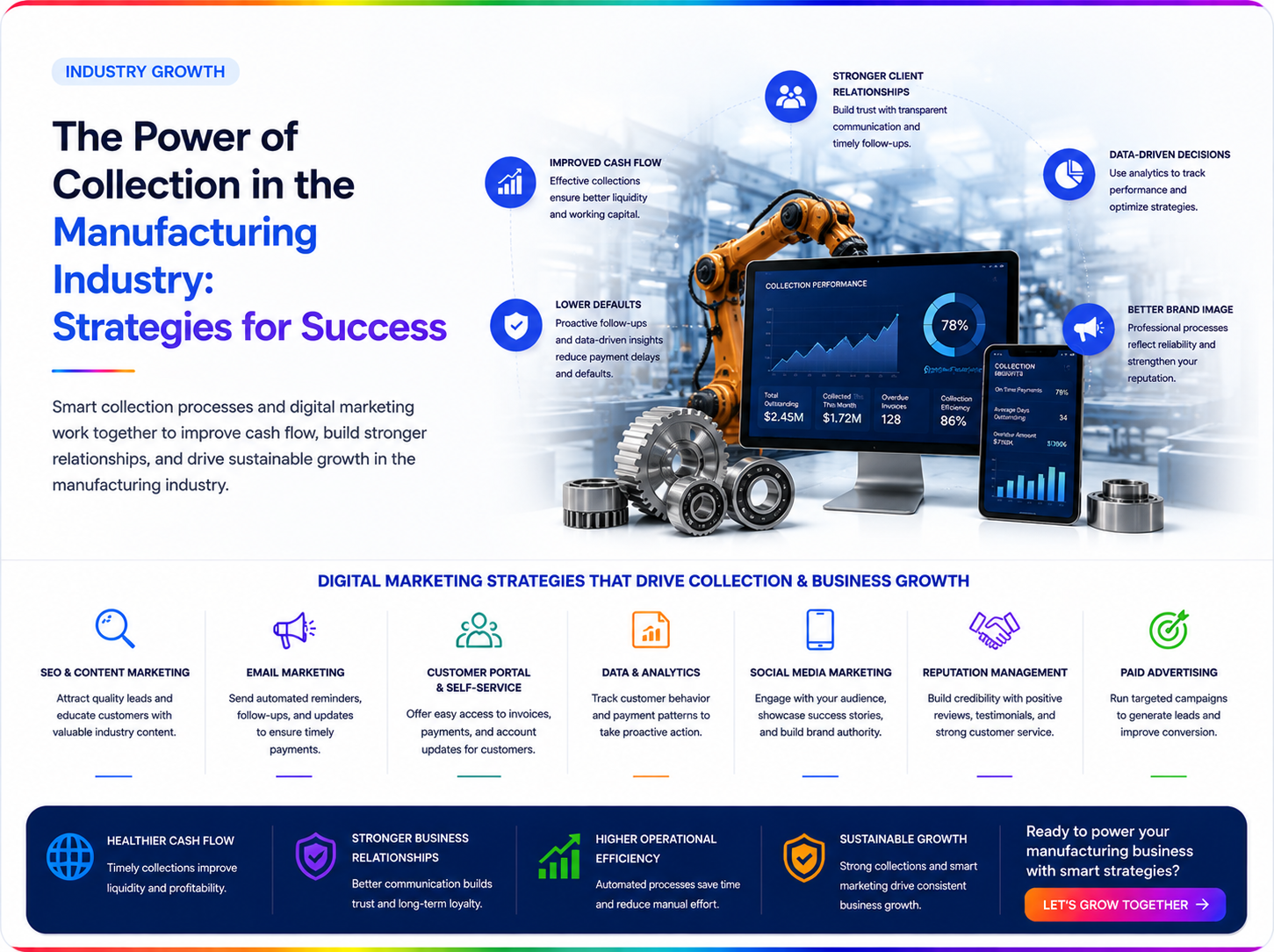
The Importance of Collection in the Manufacturing Industry
In the fast-paced world of manufacturing, the concept of collection plays a vital role in ensuring operational efficiency, cost-effectiveness, and sustainability. Whether it’s managing raw materials, finished products, or data, the way manufacturers collect, organize, and utilize resources can make or break their profitability and reputation. This blog post delves into the various facets of collection within the manufacturing sector, outlining best practices and emerging trends that are shaping the industry’s future.
Understanding Collection: More Than Just Gathering
Collection in manufacturing refers to the systematic gathering and management of resources essential for production and distribution. This includes:
- Raw Materials: Efficient collection ensures that manufacturers have the right materials at the right time, minimizing delays and reducing storage costs.
- Production Data: Real-time data collection from machines and processes enables smarter decision-making and process optimization.
- Finished Goods: Streamlined collection and warehousing of products facilitate timely deliveries and inventory control.
- Recyclables and Waste: Responsible collection of byproducts and waste supports sustainability goals and regulatory compliance.
Key Strategies for Effective Collection
To maximize the benefits of collection, manufacturers must adopt strategies tailored to their specific needs:
1. Implementing Automated Collection Systems
Automation technologies such as Internet of Things (IoT) sensors and RFID tags have revolutionized resource collection. These tools provide real-time visibility into inventory levels, machine performance, and supply chain movements, allowing manufacturers to respond proactively to fluctuations in demand and supply.
2. Centralizing Data Collection
Manufacturers generate vast amounts of data daily. Centralizing data collection through integrated software platforms—like Manufacturing Execution Systems (MES)—enables seamless analysis, reporting, and process improvement. Centralized data also supports predictive maintenance and quality control initiatives.
3. Adopting Just-in-Time (JIT) Collection
JIT collection minimizes excess inventory and waste by aligning the collection of materials and components with production schedules. This approach reduces costs, improves cash flow, and encourages stronger supplier relationships.
4. Enhancing Employee Training
Human factors remain crucial. Regular training ensures employees understand best practices for material handling, data entry, and waste management. Empowered teams contribute to more accurate and efficient collection processes.
5. Prioritizing Sustainability
Collection strategies must increasingly focus on environmental impact. Manufacturers are investing in systems that facilitate the collection and recycling of scrap materials, hazardous waste, and emissions. These efforts support global sustainability initiatives and compliance with tightening regulations.
Benefits of Streamlined Collection
When manufacturers optimize their collection processes, they unlock several advantages:
- Improved Efficiency: Automated and organized collection reduces downtime and production bottlenecks.
- Cost Savings: Less waste and lower inventory costs translate directly into higher profits.
- Quality Assurance: Accurate data and resource tracking help maintain consistent product quality.
- Sustainability: Responsible collection supports recycling and environmental stewardship.
- Customer Satisfaction: Timely collection and delivery ensure customers receive products when they need them.
Challenges in Collection and How to Overcome Them
Despite its importance, collection in manufacturing is not without challenges. Common hurdles include:
- Data Silos: Disconnected systems hinder the full benefits of data-driven collection.
- Manual Errors: Human error in recording or handling can disrupt production and lead to losses.
- Resource Constraints: Limited budgets may restrict investment in advanced collection technologies.
To overcome these obstacles, manufacturers should prioritize system integration, invest in employee upskilling, and explore scalable automation solutions that fit their budgets.
Looking Ahead: The Future of Collection in Manufacturing
The future of collection in the manufacturing industry is bright, with technologies like artificial intelligence, machine learning, and blockchain poised to further streamline processes. These innovations promise even greater accuracy, transparency, and efficiency in resource gathering and management.
By staying abreast of these trends and continually refining their collection strategies, manufacturers can position themselves for long-term success in an increasingly competitive global marketplace.
Reference: For a deeper dive into collection systems in manufacturing, see the Manufacturing Innovation Blog by the National Institute of Standards and Technology (NIST), 2023.