

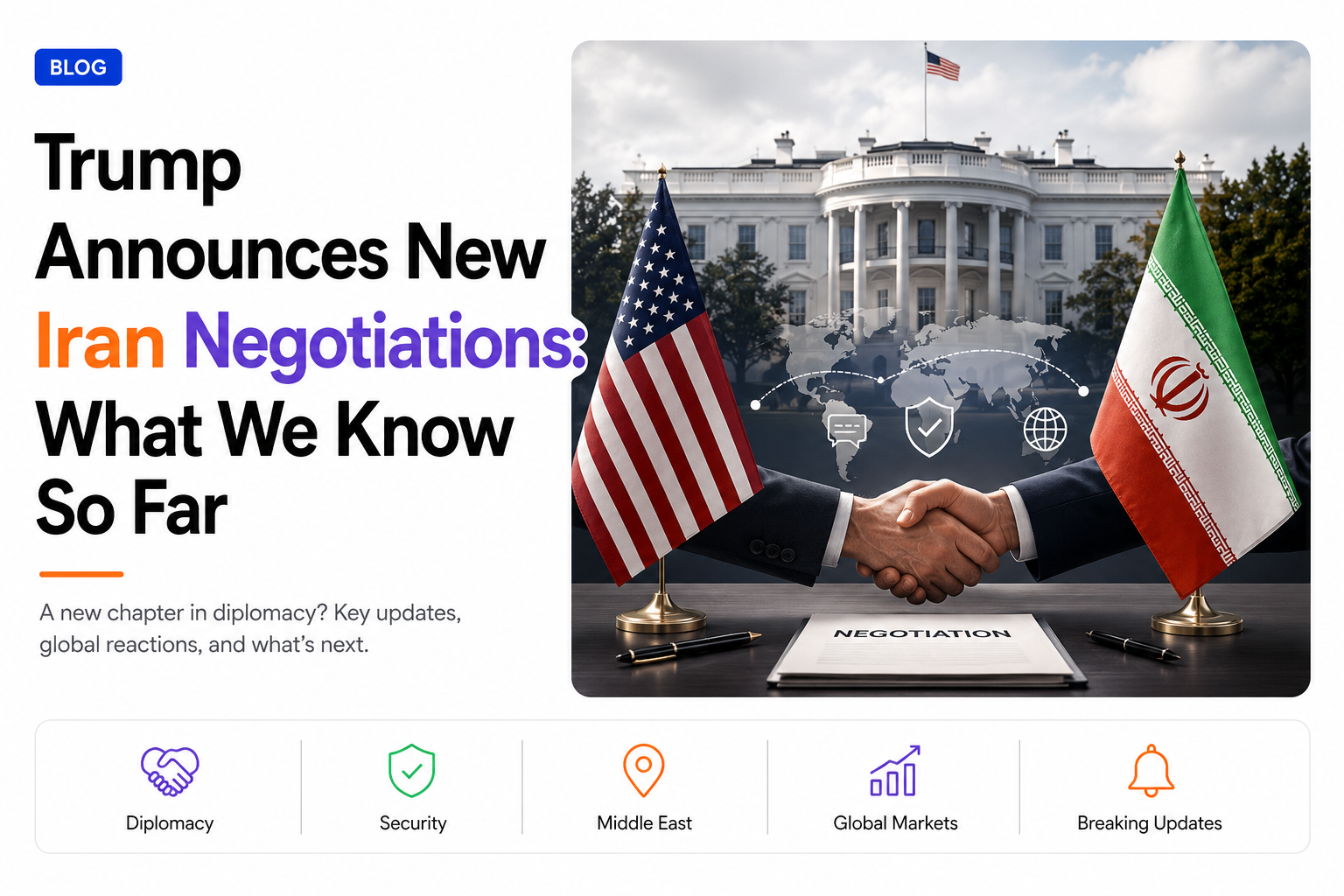
Trump Signals Renewal of Iran Negotiations
On the heels of escalating tensions in the Middle East, former President Donald Trump has announced that new negotiations with Iran are set to begin. This development comes at a critical juncture in global affairs, with both sides expressing cautious optimism about the potential for progress. Here’s a comprehensive look at what we know so far about these anticipated talks, the background leading up to them, and what they could mean for the future of U.S.-Iran relations.
Background: A Tumultuous Relationship
The relationship between the United States and Iran has been fraught with tension for decades. In 2015, the Obama administration, along with other world powers, negotiated the Joint Comprehensive Plan of Action (JCPOA), commonly known as the Iran nuclear deal. This agreement aimed to limit Iran’s nuclear program in exchange for relief from economic sanctions.
However, in 2018, President Trump withdrew the U.S. from the deal, citing concerns over its effectiveness and Iran’s regional activities. The ensuing years saw a ramp-up in sanctions against Iran and a series of provocative incidents, including military skirmishes and attacks on oil infrastructure in the region.
Recent Developments Leading to Negotiations
Since leaving office, Trump has remained vocal about foreign policy, frequently criticizing the Biden administration’s approach to Iran. Now, with reports of secret backchannels and increased diplomatic pressure, Trump has publicly stated that new negotiations with Iran are on the horizon. While details remain scarce, sources close to the former president indicate that preliminary discussions may already be underway, with an emphasis on reaching a more comprehensive and enforceable agreement.
Key Issues Likely to Be Addressed
As talks prepare to commence, several core issues are expected to dominate the agenda:
- Nuclear Program: The central concern remains Iran’s uranium enrichment activities and its potential to develop nuclear weapons capability.
- Sanctions Relief: Iran seeks the lifting of crippling economic sanctions, while the U.S. will likely tie relief to verifiable steps on nuclear restrictions.
- Regional Influence: Iran’s support for proxy groups across the Middle East, including in Syria, Iraq, Lebanon, and Yemen, is a major point of contention.
- Hostage Diplomacy: Both sides may address the issue of detained dual nationals and prisoners as part of any broader agreement.
Potential Impact and Global Reactions
The announcement of new negotiations has been met with mixed reactions both domestically and internationally. Some analysts see this as a pragmatic step toward reducing tensions and averting conflict, while others view it with skepticism, questioning whether real progress can be achieved given the deep mistrust on both sides.
Major U.S. allies in Europe, who were co-signatories of the original JCPOA, have welcomed the prospect of renewed dialogue. Meanwhile, regional powers such as Israel and Saudi Arabia remain wary, concerned that any deal might embolden Iran’s regional ambitions.
Challenges Facing the Talks
Despite the announcement, significant hurdles remain. Both sides have set high expectations and red lines. Trust is low, and domestic political considerations in both countries could complicate the negotiation process. Iran’s leadership has repeatedly insisted on the unconditional lifting of sanctions, while U.S. negotiators are likely to push for a broader agreement that addresses not only nuclear issues but also regional security and missile development.
- Verification Mechanisms: Ensuring Iran’s compliance with any new deal will be a major sticking point, requiring robust inspections and monitoring.
- Political Will: Both governments face internal opposition to compromise. U.S. lawmakers are divided, and hardliners in Iran remain skeptical of engagement with the West.
- Timing: With U.S. elections looming and regional instability growing, time may be of the essence for negotiators on both sides.
Looking Ahead: What’s Next?
While the precise timeline for formal talks remains unclear, Trump’s announcement has set the stage for a new round of diplomacy that could shape the future of the Middle East. Observers will be closely watching for any concrete steps, such as the appointment of negotiation teams, the setting of agendas, or the easing of certain sanctions as goodwill gestures.
For now, the world waits to see whether this new chapter in U.S.-Iran relations will lead to a lasting agreement or falter amid familiar obstacles. Either way, the renewed focus on diplomacy marks a significant moment in the ongoing saga between Washington and Tehran.
Conclusion
Trump’s declaration of new negotiations with Iran has reignited interest in one of the world’s most consequential diplomatic challenges. As details emerge, stakeholders around the globe will be looking for signs of progress, compromise, and, ultimately, hope for a more stable and secure future.