
Introduction
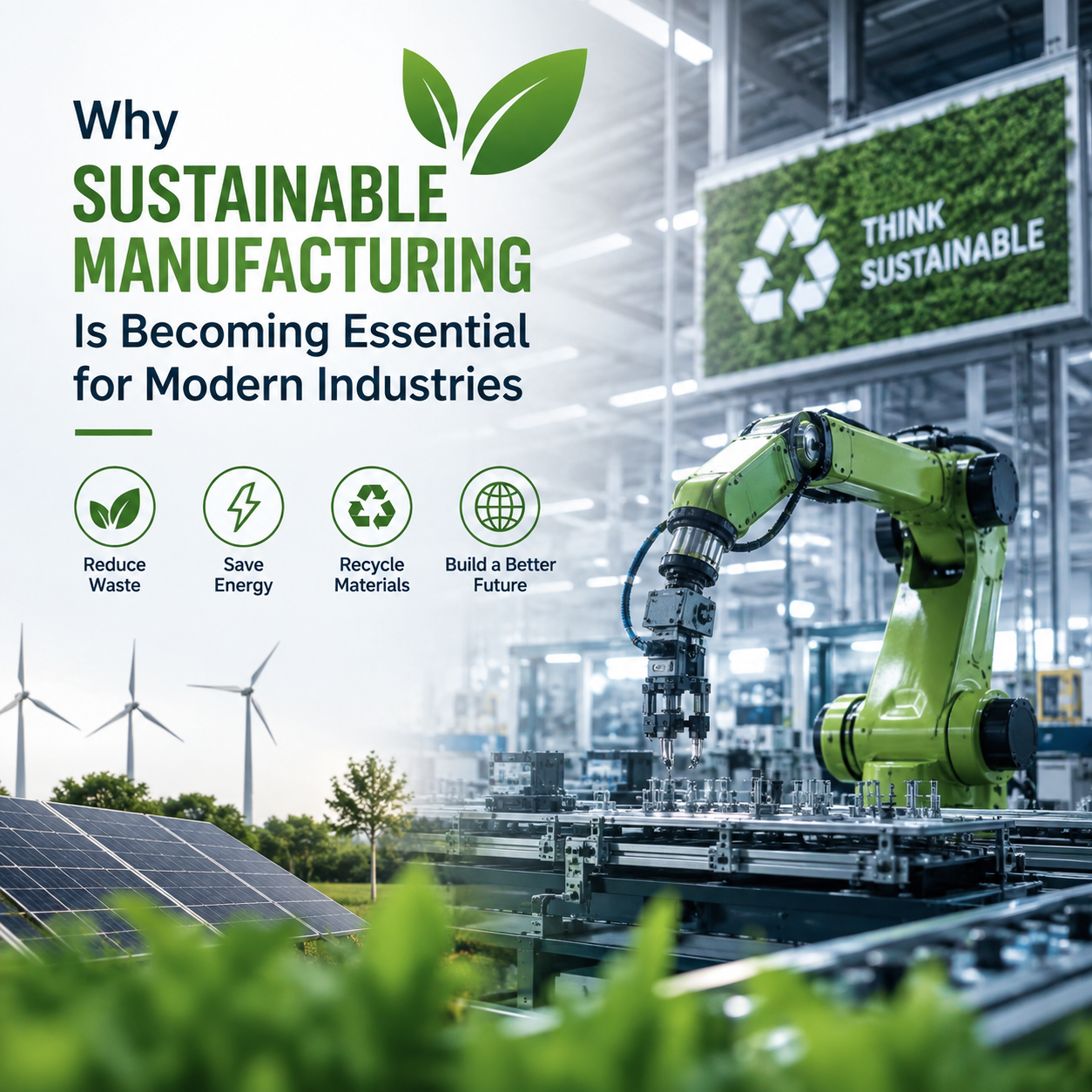
In today's rapidly evolving industrial landscape, sustainability is no longer a mere buzzword—it's a fundamental requirement for success. As global awareness of environmental impact grows, modern industries are adopting sustainable manufacturing practices to not only reduce their ecological footprint but also to meet consumer expectations, adhere to regulations, and drive long-term profitability. In this blog post, we'll explore why sustainable manufacturing has become essential and how it is reshaping the future of industry.
What Is Sustainable Manufacturing?
Sustainable manufacturing refers to the creation of manufactured products through economically-sound processes that minimize negative environmental impacts, conserve energy and natural resources, and ensure safety for employees, communities, and consumers. This approach strives to balance economic growth with ecological responsibility and social well-being.
Key Principles of Sustainable Manufacturing
- Resource Efficiency: Using less energy, water, and raw materials while maximizing output.
- Pollution Prevention: Reducing emissions, waste, and hazardous substances during production.
- Lifecycle Thinking: Considering environmental impacts throughout a product’s entire lifecycle—from design to disposal.
- Social Responsibility: Ensuring safe, ethical working conditions and community engagement.
Why Is Sustainable Manufacturing Becoming Essential?
The shift toward sustainable manufacturing is driven by several critical factors that are reshaping the industrial world:
1. Growing Environmental Concerns
Climate change, resource depletion, and pollution are urgent global issues. Industrial activities are major contributors to greenhouse gas emissions and environmental degradation. Sustainable manufacturing addresses these challenges by minimizing waste, conserving resources, and reducing carbon footprints.
2. Regulatory Pressures
Governments worldwide are implementing stricter environmental regulations and standards. From carbon pricing to waste management mandates, industries are under increasing pressure to comply with new laws. Adopting sustainable practices proactively helps companies avoid penalties, maintain licenses, and stay ahead of compliance requirements.
3. Consumer Demand for Sustainability
Modern consumers are more environmentally conscious than ever. They prefer brands that demonstrate a genuine commitment to sustainability. Companies that embrace sustainable manufacturing can enhance their brand reputation, attract eco-minded customers, and foster loyalty.
4. Economic Advantages
Sustainable manufacturing is not just about environmental stewardship—it also offers significant economic benefits:
- Cost Savings: Efficient use of energy and materials leads to lower operational costs.
- Innovation: Developing greener products and processes drives technological innovation and opens new markets.
- Risk Mitigation: Reducing dependency on scarce resources and minimizing environmental risks protects against supply chain disruptions.
5. Competitive Edge
Industries that lead in sustainability can differentiate themselves from competitors. They are better positioned to win contracts, especially with large corporations and governments that prioritize sustainable suppliers. Early adoption of sustainable practices can also future-proof businesses against evolving market expectations.
How Are Industries Adopting Sustainable Manufacturing?
Industries across sectors are integrating sustainability into their manufacturing processes in various ways:
- Implementing Energy-Efficient Technologies: Using advanced machinery, LED lighting, and renewable energy sources like solar and wind.
- Adopting Circular Economy Principles: Designing products for reuse, remanufacturing, and recycling to extend their lifecycle and reduce waste.
- Utilizing Sustainable Materials: Sourcing raw materials responsibly and substituting non-renewable resources with bio-based or recycled alternatives.
- Optimizing Supply Chains: Partnering with suppliers who adhere to sustainable practices and reducing transportation emissions through local sourcing.
- Investing in Workforce Training: Educating employees on sustainable practices and fostering a culture of continuous improvement.
Case Studies: Sustainable Manufacturing in Action
Automotive Industry
Major automakers are investing in electric vehicles, lightweight materials, and closed-loop manufacturing systems. For example, companies like Toyota and Tesla are leading the way toward greener manufacturing processes and products.
Electronics Sector
Electronics manufacturers are reducing hazardous substances, improving product recyclability, and recovering valuable materials from e-waste. Brands such as Apple have committed to using 100% recycled or renewable materials in their products.
Textile and Fashion
The fashion industry is notorious for its environmental impact, but change is underway. Brands are now using organic fabrics, eco-friendly dyes, and ethical supply chains to reduce their footprint and appeal to conscious consumers.
Overcoming Challenges in Sustainable Manufacturing
While the benefits are clear, transitioning to sustainable manufacturing is not without challenges:
- Initial Investment: Upgrading equipment and processes can require significant upfront costs.
- Complex Supply Chains: Ensuring sustainability across all tiers of the supply chain can be difficult to manage.
- Knowledge Gaps: Some companies may lack expertise or resources to implement effective sustainability initiatives.
However, the long-term gains—in cost savings, risk reduction, and market opportunities—far outweigh the initial hurdles.
Conclusion
Sustainable manufacturing is no longer optional—it is an essential part of modern industry. By embracing sustainability, businesses can meet regulatory demands, satisfy consumer expectations, reduce costs, and drive innovation. As environmental and social issues take center stage, companies that prioritize sustainable manufacturing will be better equipped to thrive in the future. Now is the time for industries to act, invest, and lead the way toward a more sustainable world.