
What Connects All Your Smart Devices?
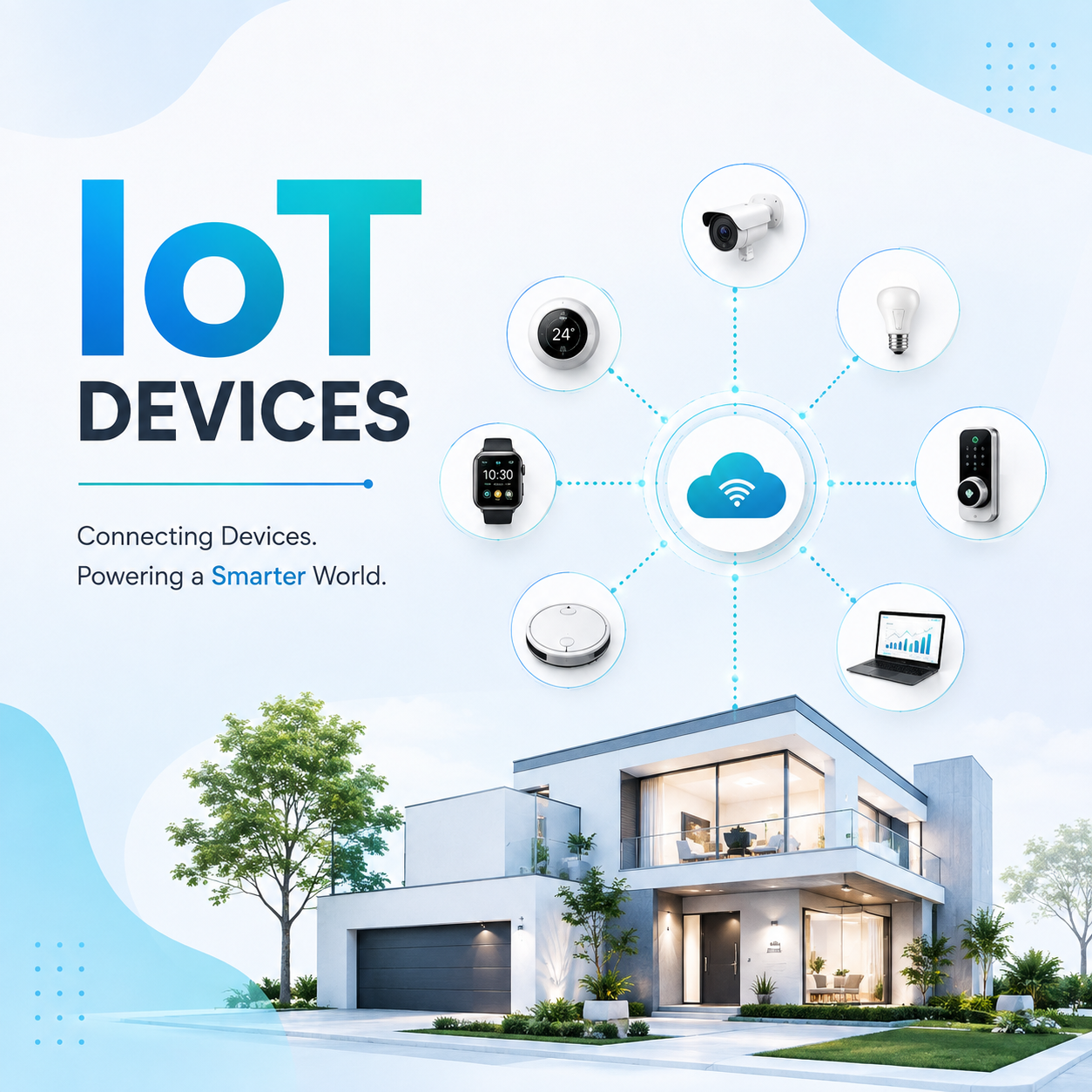
Your watch tracks your heartbeat. Your thermostat knows when you're home. Your car can warn you about a problem. What connects them all? The answer is the Internet of Things (IoT) — a revolution that’s quietly transforming your everyday objects into smart, connected helpers.
What Makes a Device “Smart” in the IoT World?
Not every electronic gadget is part of the IoT. So, what turns an ordinary object into a part of this interconnected network? It comes down to three simple abilities:
- Sensing: The device can detect something about its environment. For example, a thermostat senses temperature, while a wearable tracks your steps.
- Communicating: It can send or receive data, often wirelessly, to other devices or to the internet.
- Responding: The device can take action or adjust itself based on what it senses and the data it receives.
When physical objects gain these capabilities, they move from being just tools to becoming active participants in our daily lives.
The Basic IoT Cycle: Sensor → Connectivity → Data → Action
At the heart of the IoT is a continuous, four-step cycle:
- Sense: A sensor in the device gathers information — temperature, motion, light, proximity, or almost anything else.
- Connect: The device sends this data through Wi-Fi, Bluetooth, or other networks to a central hub or the cloud.
- Analyze: The data is processed, often using cloud-based platforms. Patterns are recognized, thresholds are checked, or insights are generated.
- Act: Based on the analysis, the device (or another connected device) takes action — like turning on lights, adjusting the temperature, or sending you an alert.
This loop is what makes IoT devices so powerful — they’re not just reacting blindly, but continuously learning and responding to real-world data.
Smart Homes: Everyday Examples of IoT in Action
Smart Lights
Imagine your living room lights turning on automatically as you walk in, dimming at sunset, or even changing color for movie night. Smart bulbs and switches can be controlled remotely by your voice or phone, and can even learn your schedule.
Thermostats That Think
Smart thermostats do more than just keep your home comfortable. They learn when you’re home or away, sense the temperature, and adjust settings to save energy — sometimes even predicting your preferences over time.
Security Cameras and Sensors
Modern security systems use IoT-enabled cameras and motion sensors to detect movement, stream live video to your phone, and send instant alerts if something unusual happens. Some can even recognize familiar faces or detect packages at your door.
Industrial IoT: Machines That Monitor Themselves
The IoT isn’t just for homes. In factories and warehouses, industrial machines are now equipped with sensors that monitor everything from vibration to temperature. These machines can:
- Predict failures before they happen, reducing downtime.
- Optimize energy use by adjusting power based on demand.
- Track inventory in real time by monitoring stock levels and movement.
This “smart” approach leads to more efficient, safer, and cost-effective operations.
Healthcare and Wearables: Your Health, on the Move
Chances are you or someone you know wears a fitness tracker or smart watch. These little IoT wonders:
- Count your steps
- Monitor your heart rate
- Track your sleep patterns
- Even detect falls and send emergency alerts
In hospitals, IoT devices help monitor patients in real time, ensure medications are administered on schedule, and even predict health crises before they become emergencies.
How IoT Devices Communicate with the Cloud
Most IoT devices don’t do heavy computing themselves. Instead, they send their data to powerful cloud platforms. Here’s how it works:
- Data travels from the device via Wi-Fi, cellular, or other wireless methods.
- A cloud server receives, stores, and analyzes the information.
- Insights or commands are sent back to the device, telling it how to respond.
This cloud connection is what lets you check your thermostat from across the world, or get real-time alerts about your home or health.
IoT Security: The Biggest Challenge
With so many devices connected, security becomes a top concern. IoT devices can be vulnerable to hackers if not properly protected. Key risks include:
- Unauthorized access to your personal information
- Devices being taken over and used in cyberattacks
- Privacy breaches from unencrypted data
That’s why it’s important to:
- Change default passwords
- Keep your devices updated
- Use secure networks
- Choose reputable brands with strong security practices
Where Is IoT Heading Next?
The future of IoT is even more exciting:
- Smarter cities: Traffic lights, waste bins, and public transport will all communicate to improve urban life.
- Connected vehicles: Cars will “talk” to each other and to traffic infrastructure for safer roads.
- Personalized healthcare: Wearables and implants could monitor your health 24/7 and alert doctors instantly if needed.
- Eco-friendly homes: IoT will help us save energy and water automatically.
In short, the Internet of Things is turning everyday objects into smart, responsive companions. As devices keep getting smarter and more connected, our world becomes safer, more efficient, and more personalized — all because your devices are talking to each other.