
Introduction
In the competitive SaaS landscape, a robust SEO strategy is no longer optional—it’s essential. With search algorithms evolving and user expectations rising, SaaS companies must stay ahead to capture and convert high-intent traffic. In this guide, we’ll explore how to build a winning SaaS SEO strategy for 2026, integrating the latest trends, proven tactics, and actionable steps to ensure your SaaS business dominates the search results.
Understanding the SaaS SEO Landscape in 2026
SaaS SEO has evolved dramatically, with smarter algorithms, AI-driven personalization, and increased focus on user experience. Google’s emphasis on EEAT (Experience, Expertise, Authoritativeness, and Trustworthiness), Core Web Vitals, and intent-based content means SaaS brands must adapt or risk falling behind.
Key SEO Trends for SaaS in 2026
- AI-powered Search: Generative AI influences search results and featured snippets, demanding high-quality, unique content.
- Voice and Visual Search: More users use voice commands and image searches, requiring optimization beyond text.
- Topic Authority: Google rewards brands that own topics with in-depth, interconnected content.
- Zero-click Searches: Featured snippets, People Also Ask, and Knowledge Panels are more prominent, so SaaS brands must win these positions.
- User Experience: Fast, accessible, and interactive websites rank higher, especially for B2B decision-makers.
Step 1: Define Your SaaS SEO Goals
Start by aligning SEO with your business objectives. Are you aiming for lead generation, product sign-ups, or brand awareness? Clear goals help you measure ROI and guide your content and keyword strategy.
- Set specific, measurable KPIs (e.g., organic sign-ups, demo bookings, pipeline value).
- Understand your buyer’s journey—awareness, consideration, decision—and map content accordingly.
Step 2: Deep Dive into Keyword and Intent Research
2026 SEO is about understanding search intent, not just keywords. Use advanced tools—like SEMrush, Ahrefs, and AI-powered platforms—to uncover high-intent keywords relevant to your SaaS niche.
How to Perform Effective Keyword Research
- Identify Core Topics: Focus on pain points your SaaS solves (e.g., “project management automation” instead of “software tool”).
- Analyze SERPs: Study search results for target queries to understand content types Google rewards (guides, case studies, templates).
- Cluster Keywords: Build topic clusters—primary pillar pages with related subtopics (e.g., “CRM solutions for startups” with supporting content on onboarding, integrations, pricing).
- Leverage AI: Use AI tools to predict emerging trends and new keyword opportunities.
Step 3: Create High-Value, User-Centric Content
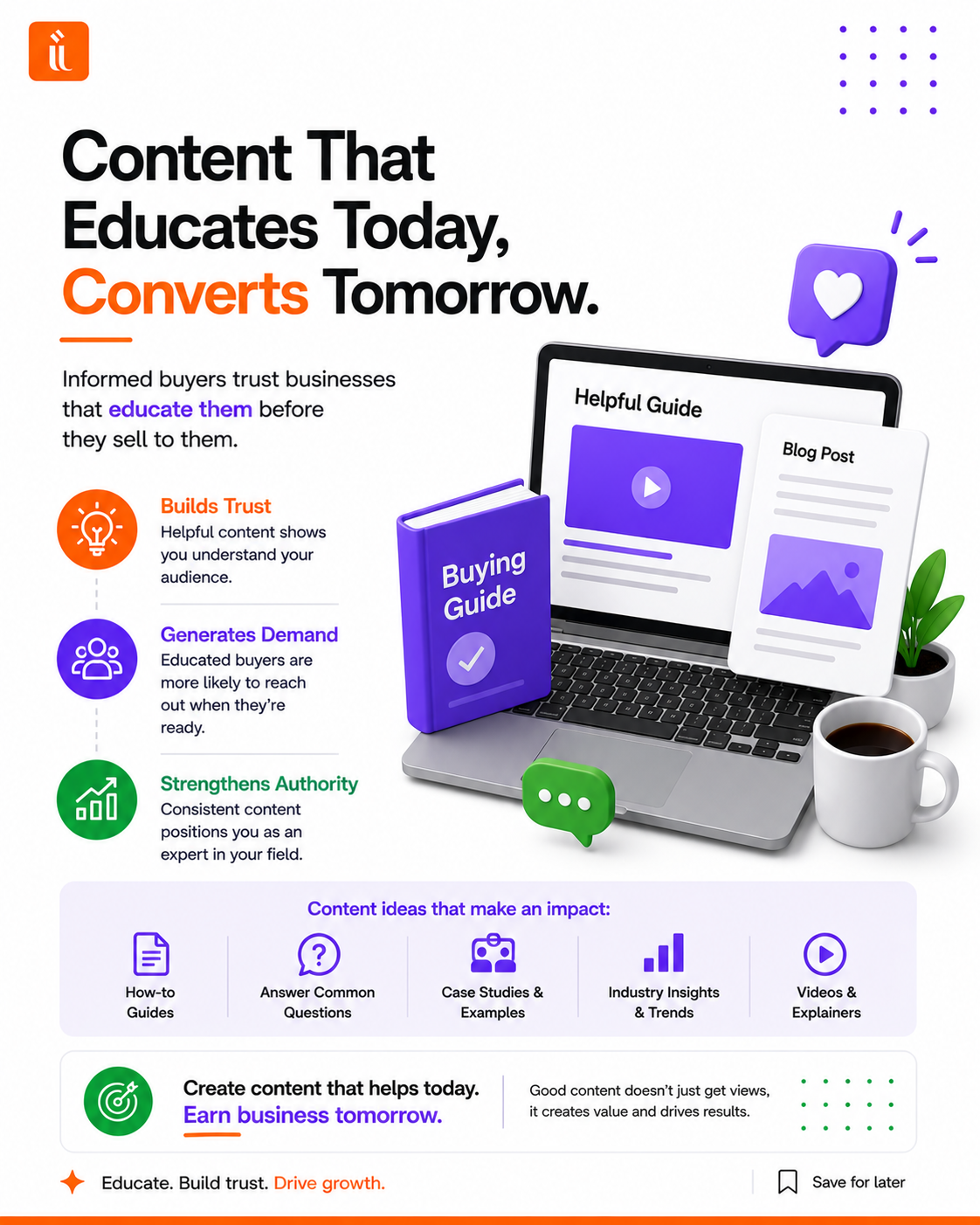
Google prioritizes content that demonstrates EEAT. Your goal is to become the go-to resource in your SaaS vertical.
Content Types That Convert
- In-depth Guides and How-Tos: Comprehensive resources that address user problems.
- Case Studies and Use Cases: Showcase real-world results and social proof.
- Comparison Pages: Position your SaaS against competitors for high-intent searches.
- Interactive Tools: Calculators, quizzes, and ROI estimators engage users and earn backlinks.
- Video and Visual Content: Explainers, demos, and webinars improve engagement and dwell time.
Best Practices for SaaS Content in 2026
- Use clear, jargon-free language for decision-makers and technical users.
- Optimize for featured snippets with concise answers and lists.
- Regularly update content to maintain freshness and accuracy.
- Incorporate user-generated content and expert opinions to enhance trust.
Step 4: Optimize On-Page & Technical SEO
Technical excellence is non-negotiable. A seamless website experience not only delights users but also boosts rankings.
On-Page SEO Techniques
- Optimize titles, meta descriptions, and headings with primary and secondary keywords.
- Add schema markup for software applications and reviews to enhance SERP visibility.
- Ensure internal linking between topic clusters for better crawlability.
Technical SEO Fundamentals
- Core Web Vitals: Prioritize site speed, interactivity, and visual stability.
- Mobile-First Design: Over 60% of B2B searches are mobile—responsive design is essential.
- Secure and Accessible: Use HTTPS, optimize for screen readers, and provide alt text for images.
- Structured Data: Implement schema markup for better indexing and enhanced SERP features.
Step 5: Build Topic Authority and Backlinks
Establishing topic authority is crucial for SaaS brands. Google rewards sites that cover a subject comprehensively and earn trust signals from authoritative sources.
Strategies to Build Authority
- Publish original research and industry reports.
- Secure guest posts and thought leadership articles on reputable SaaS and tech sites.
- Engage in digital PR—announce product launches, partnerships, and milestones.
- Encourage customer reviews and testimonials on third-party platforms.
Step 6: Measure, Analyze, and Iterate
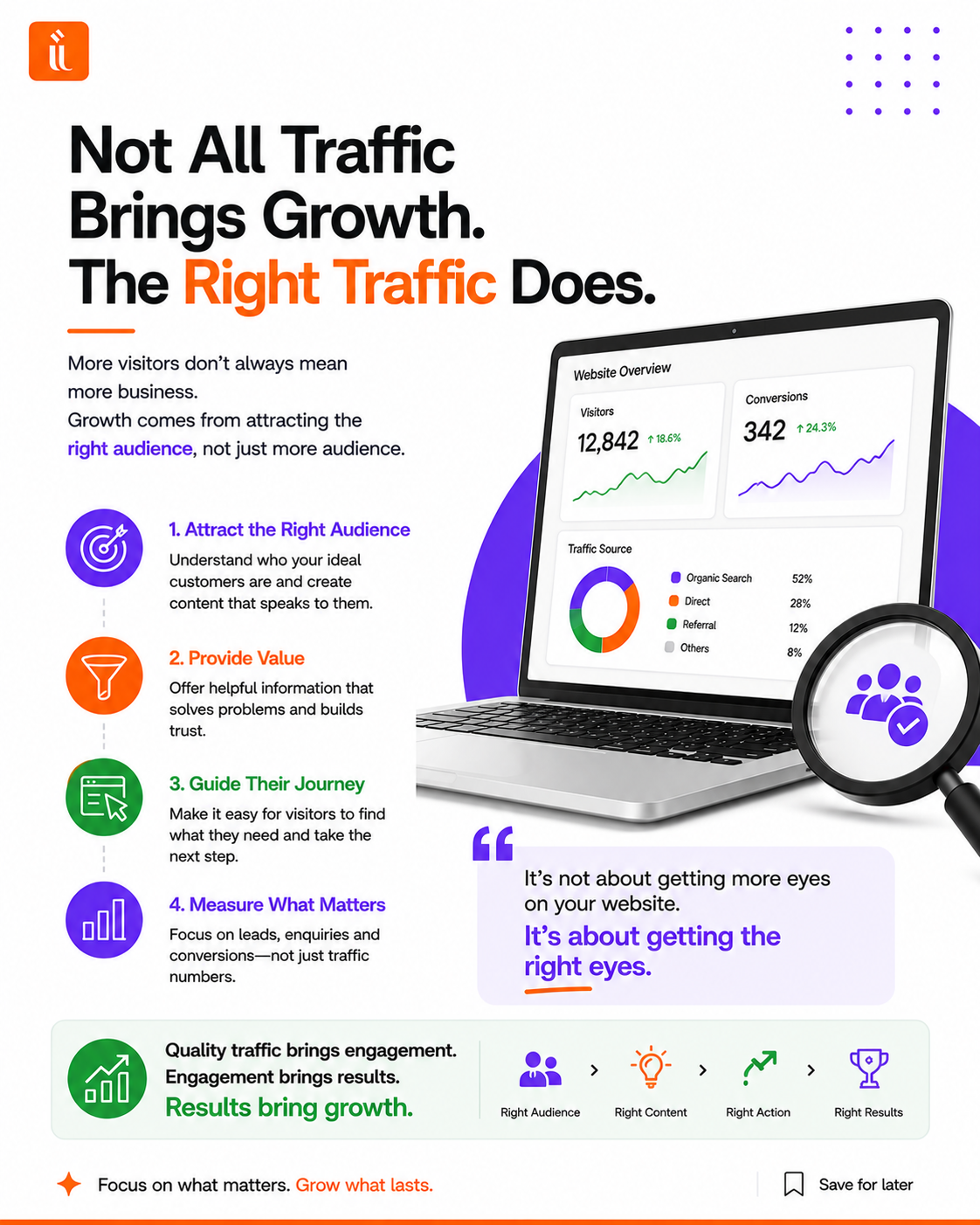
Continuous improvement is the hallmark of a winning SaaS SEO strategy. Regularly analyze performance, keep up with algorithm changes, and adapt accordingly.
- Monitor KPIs using Google Analytics 4, Search Console, and SaaS-focused analytics tools.
- Track keyword rankings, organic conversions, and user engagement metrics.
- Conduct regular content audits to identify gaps and update underperforming pages.
- Stay informed about SEO trends and competitor moves.
Conclusion
Building a winning SaaS SEO strategy in 2026 means blending technical excellence, authority-building, and a relentless focus on user needs. By following these steps and staying agile, your SaaS brand can attract qualified traffic, generate leads, and dominate your niche.
Reference
For further reading and current statistics, see Ahrefs: SaaS SEO Guide.