
Introduction
In today’s rapidly-evolving professional landscape, staying ahead requires more than just traditional expertise. As we approach 2026, emerging trends are shaping the future of work, technology, and collaboration. Professionals who proactively adapt and master these knowledge trends will be best positioned to thrive in their careers. This article delves into the most significant knowledge trends every professional should embrace by 2026 to remain competitive and relevant.
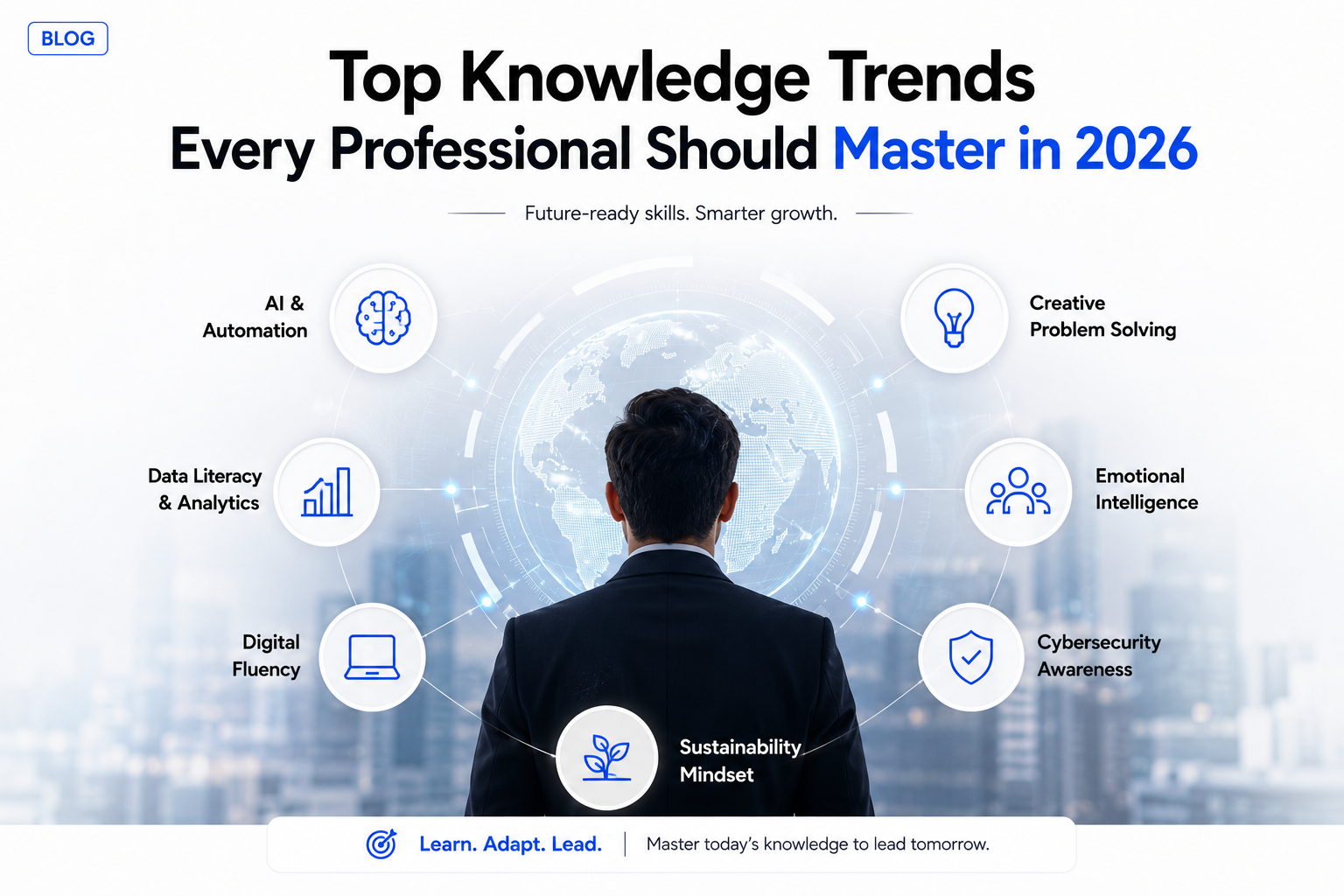
1. Artificial Intelligence (AI) and Machine Learning Literacy
AI and machine learning are no longer confined to tech roles—they’re transforming every industry. From healthcare and finance to marketing and logistics, understanding how AI works and its practical applications is crucial.
- Why it matters: AI automates repetitive tasks, uncovers insights, and personalizes customer experiences.
- How to master: Take online courses, attend workshops, or participate in AI-driven projects. Focus on learning basic algorithms, ethical considerations, and industry-specific use cases.
Action Steps
- Familiarize yourself with AI tools relevant to your field.
- Join AI-focused professional networks.
- Stay updated with AI regulatory developments.
2. Data Fluency and Analytics
With the exponential growth of data, data fluency is an indispensable skill. Professionals must know how to interpret data and make data-driven decisions.
- Why it matters: Data-driven organizations outperform their competitors and make smarter decisions.
- How to master: Learn data visualization, basic statistics, and popular analytics tools like Excel, Power BI, or Tableau.
Action Steps
- Practice interpreting dashboards and reports.
- Enroll in data literacy programs.
- Apply data insights to real business scenarios.
3. Digital Collaboration and Remote Work Skills
Remote and hybrid work models are here to stay. Mastering digital collaboration tools and remote communication is essential for productivity and effective teamwork.
- Why it matters: Distributed teams require strong digital communication, project management, and time management skills.
- How to master: Get comfortable with platforms like Slack, Microsoft Teams, Asana, or Trello. Develop virtual presentation and online meeting etiquette.
Action Steps
- Set up a productive home workspace.
- Learn best practices for virtual meetings.
- Master asynchronous communication techniques.
4. Cybersecurity Awareness
With cyber threats on the rise, cybersecurity is everyone’s responsibility. Understanding the basics of digital safety protects both personal and organizational assets.
- Why it matters: A single breach can result in significant financial and reputational loss.
- How to master: Stay informed about phishing tactics, data privacy regulations, and safe online behaviors. Regularly update passwords and enable multi-factor authentication.
Action Steps
- Take a cybersecurity fundamentals course.
- Implement strong password management strategies.
- Stay updated on the latest threats and scams.
5. Sustainability and Green Skills
Sustainability is not just a buzzword—it’s a business imperative. Companies are integrating green skills into their operations to meet regulatory requirements and consumer expectations.
- Why it matters: Understanding sustainability drives innovation and opens new career opportunities.
- How to master: Learn about environmental regulations, sustainable practices, and corporate social responsibility (CSR) initiatives relevant to your industry.
Action Steps
- Participate in sustainability training programs.
- Contribute to green initiatives at your workplace.
- Stay informed about global environmental trends.
6. Emotional Intelligence (EQ) and Soft Skills
While technical skills are vital, emotional intelligence and people skills are equally important for leadership and collaboration.
- Why it matters: High EQ fosters better teamwork, conflict resolution, and adaptability in changing environments.
- How to master: Practice active listening, empathy, and constructive feedback. Seek opportunities for mentorship and coaching.
Action Steps
- Engage in regular self-reflection and feedback sessions.
- Participate in team-building activities.
- Develop cross-cultural communication skills.
7. Lifelong Learning and Adaptability
The pace of change will only accelerate. Lifelong learning is the key to staying relevant and resilient in the future workforce.
- Why it matters: Adaptable professionals can pivot quickly, embrace new technologies, and seize emerging opportunities.
- How to master: Cultivate a growth mindset. Use online learning platforms, read industry journals, and attend conferences regularly.
Action Steps
- Set personal learning goals for each quarter.
- Follow thought leaders in your field.
- Join professional associations and communities.
Conclusion
Mastering these knowledge trends by 2026 will empower professionals to navigate disruption and drive meaningful impact in their organizations. Whether you’re just starting out or looking to advance your career, embracing continuous learning and these in-demand skills is the smartest investment you can make.
References
- World Economic Forum. (2024). Future of Jobs Report.
- LinkedIn Learning. (2024). 2024 Workplace Learning Report.
- IBM. (2023). AI and the Workforce.