
The Problem With Paid Advertising for Fashion Brands
Fashion marketing has become a numbers game. Bigger budgets usually win. New brands launch constantly. Established brands keep increasing ad spend to stay visible. The result is predictable: customer acquisition costs rise year after year.
When you stop paying for ads, traffic stops. The moment your budget expires, your visibility disappears. Competitors immediately fill the gap. This creates a constant pressure to increase spending just to maintain the same traffic levels. For fashion brands with seasonal demand or limited budgets, this is unsustainable.
The core problem is that paid ads show your products to people who might be interested. SEO shows your products to people who are already searching. Someone typing "black formal dresses for women" into Google is ready to buy. Someone scrolling through social media might never purchase. The difference in intent makes all the difference in conversion rates.
How SEO Creates Sustainable Growth
Search engine optimization works differently. When someone searches "summer dresses" or "designer abayas" or "women's ethnic wear," they are actively looking for solutions. Your website appearing at the top of those results puts you in front of customers at the exact moment they want to buy.
Unlike paid ads that require constant spending, SEO creates a compounding effect. Each optimized page continues to bring visitors month after month without ongoing payment. A product page ranking for competitive keywords can generate leads for years. Blog content answering customer questions attracts visitors repeatedly.
Fashion brands that invest in SEO build a stable traffic foundation. They attract buyers consistently without massive ad budgets. Over time, this sustainable approach beats paid advertising. It saves money while reaching more customers who are actually interested in buying.
Building Your Keyword Strategy
Keyword research is the foundation of every SEO strategy. Most fashion brands make a critical mistake: they chase high-volume keywords without considering search intent. Targeting "dresses" gets buried under millions of other results. Targeting "black formal dresses for women" puts you in front of buyers ready to purchase.
The best keywords for fashion brands are specific and buyer-focused. Instead of broad terms, focus on product-specific searches that show purchase intent. Research keywords in these categories: exact product searches like "black formal dresses," product category searches like "summer dresses," and informational searches like "how to style ethnic wear for work."
Many brands ignore informational keywords entirely. This is a mistake. Someone searching "how to style designer abayas" isn't ready to buy immediately. But they're interested in your product category. Content targeting these searches builds trust and brings future customers to your site. A visitor who finds helpful styling advice becomes more likely to purchase months later.
Optimizing Product Pages for Search and Sales
Product pages are critical for both search rankings and conversions. Most fashion brands handle them poorly. They copy manufacturer descriptions or provide minimal information. This hurts both search engine visibility and customer buying decisions.
Strong product pages need original descriptions that speak to your customers, not manufacturer specifications. Write descriptions that answer buyer questions and highlight benefits. Use realistic product titles that customers actually search for, not creative marketing phrases. Include high-quality images from multiple angles. Add customer reviews from people who have actually purchased the product.
Well-optimized product pages rank for specific searches and convert better. They help search engines understand what the page is about. They give customers confidence to buy. Product pages are your biggest opportunity to attract buyers through search while improving conversion rates.
Why Category Pages Matter More Than You Think
When people shop online, they often search for categories rather than specific products. Someone might search "designer dresses" or "summer clothing" rather than a specific item name. Category pages rank for these broader searches and become your primary traffic drivers.
Category pages should provide comprehensive information about what customers will find. Explain the different styles available. Highlight popular options. Discuss various price ranges and materials. Provide shopping tips relevant to that category. This approach helps search engines understand your category pages while making them genuinely useful for visitors.
A well-optimized category page for "summer dresses" can attract hundreds of visitors monthly. These visitors are shopping in that category but haven't decided on a specific style yet. Your category page guides them toward products while building trust in your brand.
Using Internal Linking to Guide Customers
Internal linking is one of the easiest SEO improvements you can make. It helps search engines understand how your site connects together. It also helps visitors discover products they might like without seeing ads.
Create internal linking patterns that guide customers naturally. A blog post about summer fashion trends should link to your summer dresses category and specific products. Product category pages should link to individual products and related categories. Product pages should link to complementary items customers might want to buy together.
Strategic internal linking keeps visitors on your site longer, increases pages they view per visit, and improves their shopping experience. It's a free way to improve SEO and sales without spending on ads.
Content Marketing That Actually Converts
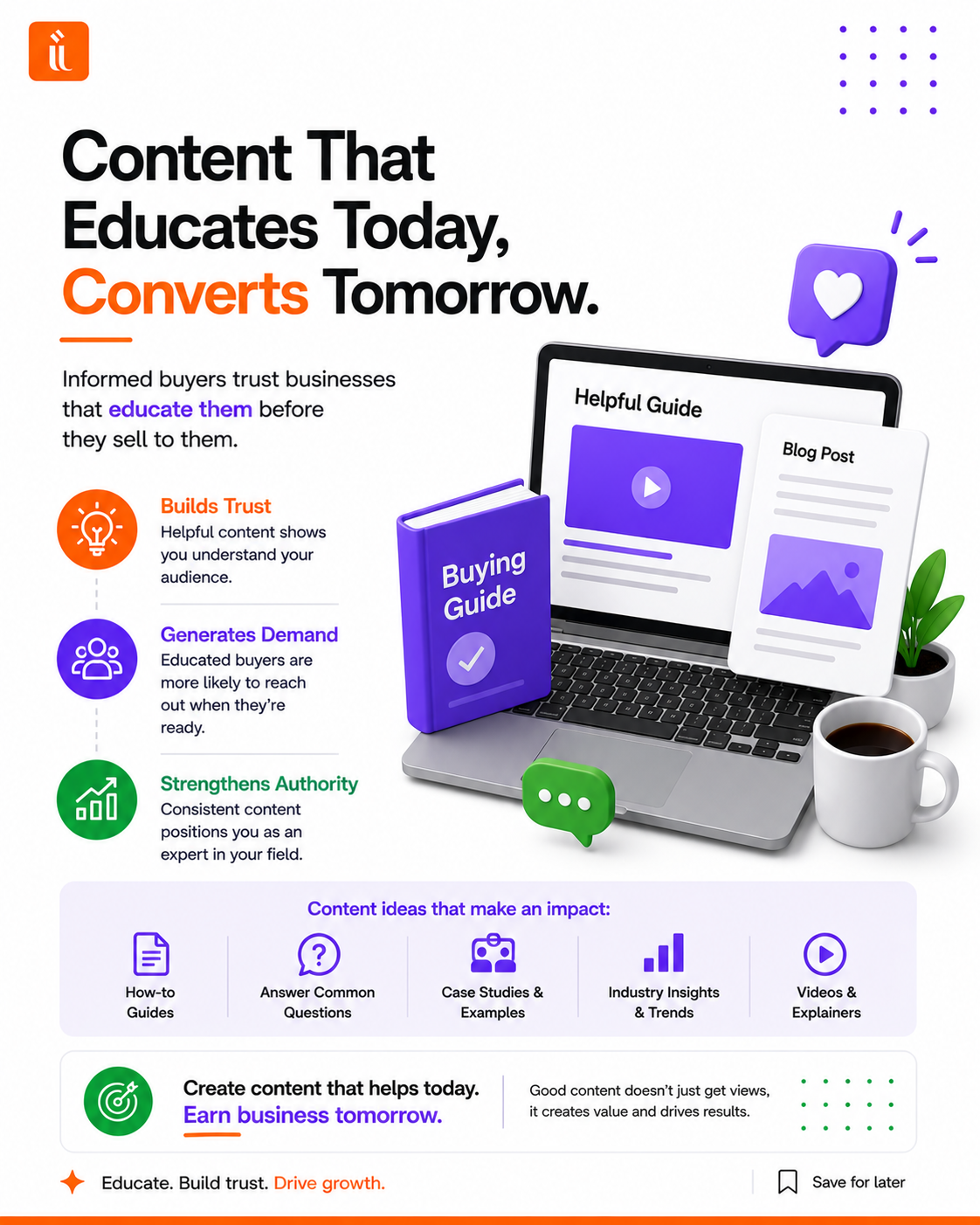
Content marketing works for fashion brands when it answers real customer questions. Style guides, fabric information, and trend analysis attract visitors looking for information. These visitors aren't ready to buy immediately but are interested in your category.
The goal of fashion content should be helping customers, not just publishing articles. Style guides teach people how to wear your products. Fabric guides help customers choose between materials. Trend analysis positions your brand as an expert. This content builds trust. When customers trust a brand, they're more likely to buy from it eventually.
Content marketing creates a steady stream of traffic from people interested in your products. Some buy immediately. Others bookmark your site for later. Either way, you attract potential customers without paid ads.
Building Quality Backlinks
Backlinks from relevant, trusted websites still matter for SEO. A few high-quality backlinks from fashion publications or industry sites are more valuable than dozens of low-quality links from random websites.
Fashion brands can earn backlinks by writing articles for fashion publications, collaborating with influencers, running PR campaigns, and creating genuinely useful content. Focus on quality over quantity. One link from a trusted fashion blog is worth more than ten links from irrelevant sites.
Measuring What Actually Matters
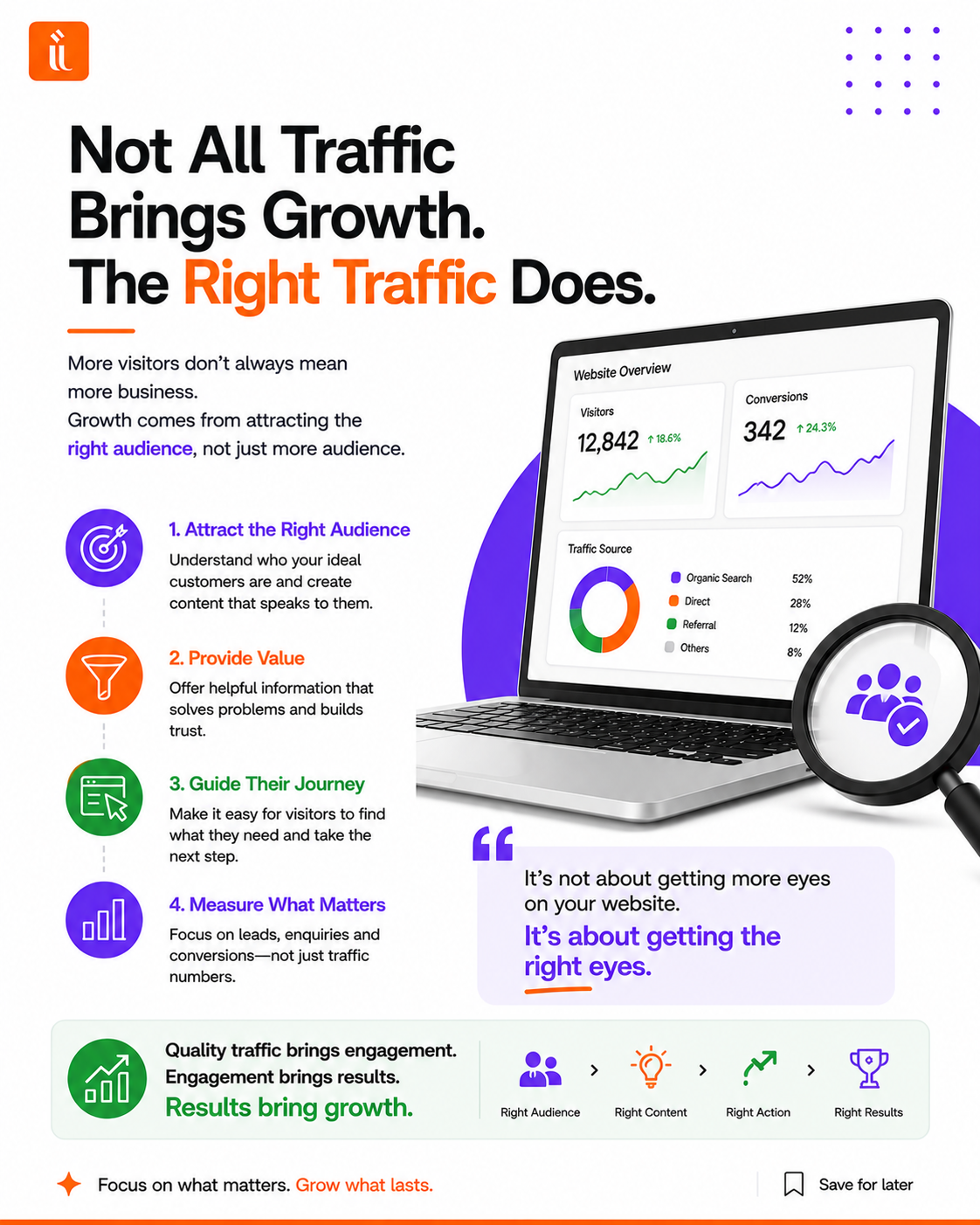
Most fashion brands measure SEO by keyword rankings. Rankings matter, but they're not the main metric. The metrics that actually matter are traffic, lead generation, email signups, and sales.
Track which search keywords bring visitors. Monitor which pages convert visitors into customers. Measure how much revenue comes from organic search. This data reveals which products and pages deserve more SEO investment. A product page ranking for fifty keywords matters only if it generates sales.
The brands that win with SEO track the customer journey from search to purchase. They optimize for keywords that convert, not just keywords with high search volume. They measure ROI like any other marketing investment.
The Long-Term Advantage
Fashion brands depending entirely on paid ads face rising costs and uncertain ROI. SEO creates a different model. You invest upfront in content, technical optimization, and link building. Then you get consistent traffic for months or years without additional spending.
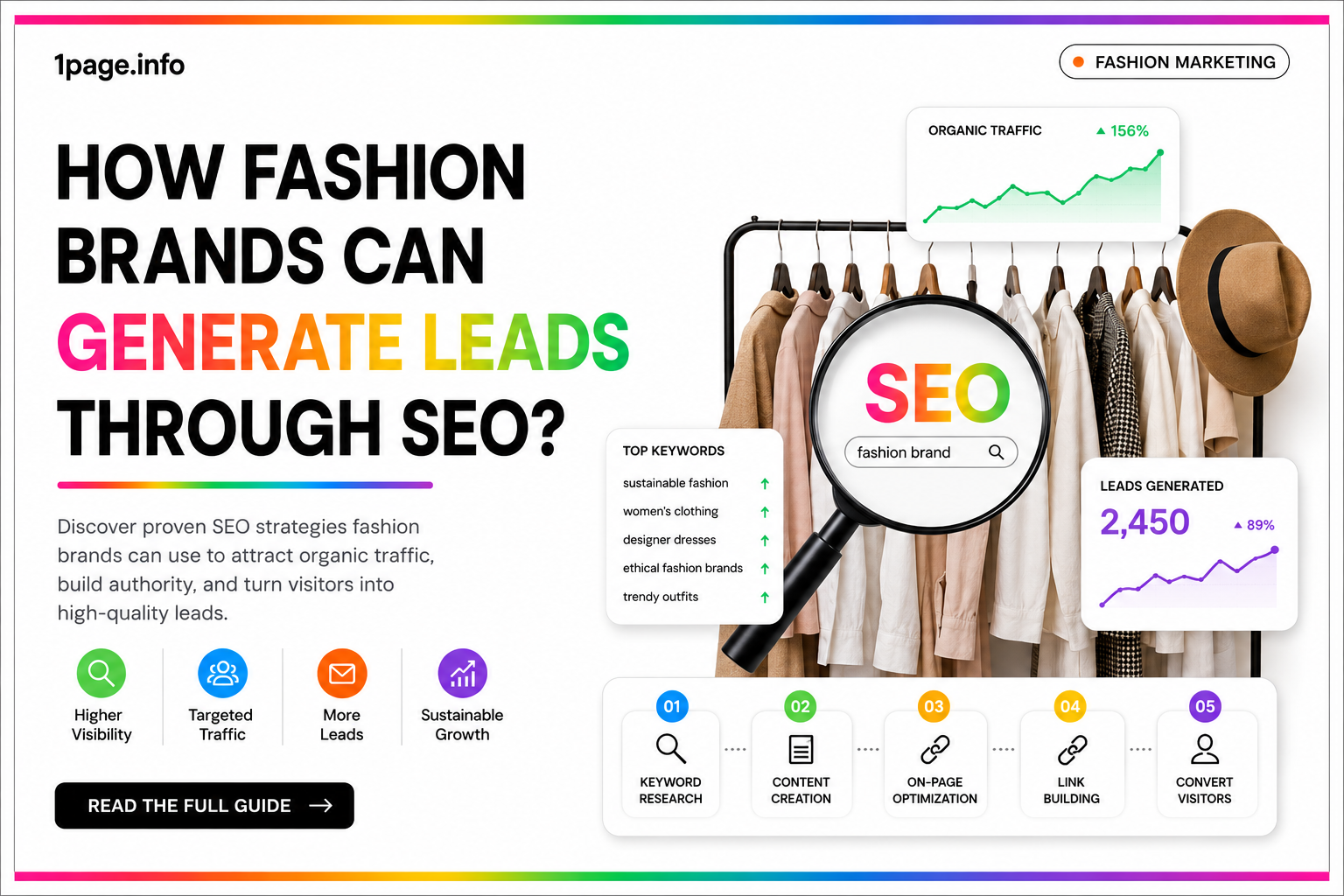
Start with keyword research. Optimize product and category pages. Create helpful content. Build internal links. Earn backlinks from trusted sites. Results take time, but they compound. A year of SEO effort creates traffic sources that benefit you for years.
Fashion brands that combine SEO with strategic paid advertising win. They use paid ads to test new products and seasonal campaigns. They use SEO to create a stable traffic foundation for year-round sales. This balanced approach reduces overall marketing costs while reaching more customers.
SEO isn't a quick fix or a replacement for all marketing. It's the foundation that makes all your other marketing more efficient. Every visitor you attract through search saves money you would have spent on ads. Every customer you convert from organic search is profit you wouldn't have made otherwise.
Fashion brands need SEO to build sustainable growth in 2026. The brands that invest in search visibility now will dominate their categories for years. The brands that only rely on ads will keep paying more for the same results.