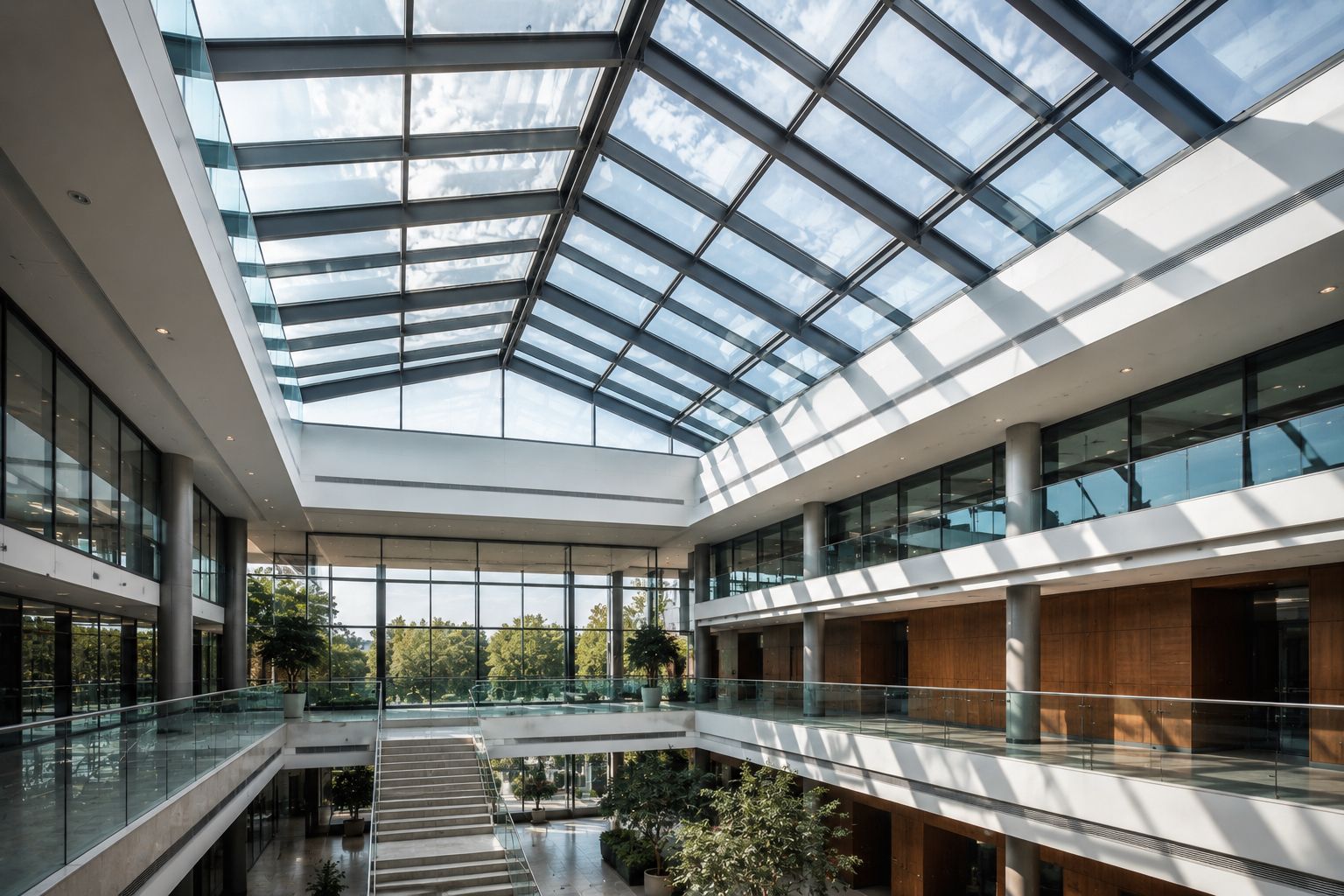
Grid ceilings offer a versatile and modern approach to ceiling design in construction, combining aesthetics with practical benefits like easy access for maintenance and integration with lighting systems. Discover how grid ceiling systems are commonly used in commercial, educational, and healthcare spaces, and compare material options or installation methods to make informed decisions for your next project.
Grid ceilings are a popular choice in modern construction for both commercial and residential spaces. These ceilings consist of a visible metal framework, or grid, that supports lightweight ceiling tiles. The design offers an efficient way to cover up pipes, wiring, and ductwork, creating a clean and organized look while still allowing easy access for maintenance. Grid ceilings are valued for their versatility—they can be customized with different tile materials, colors, and patterns to fit the style and needs of any room. Additionally, they contribute to better acoustics by helping to absorb sound, making them especially useful in offices, schools, and public buildings. Installing a grid ceiling is often less disruptive to daily activities compared to other ceiling systems, which makes it a practical solution for renovations or new construction. Whether you're looking to improve the appearance of a space or add functional benefits, understanding how grid ceilings work can help you make informed decisions about your next building project.
A team of construction experts fitting a suspended grid ceiling system, highlighting the precise alignment of the metal framework and integration of acoustic ceiling tiles in a contemporary workspace.
Key Features and Applications of Grid Ceilings
A grid ceiling is a widely adopted construction solution valued for its versatility, aesthetic appeal, and functional benefits in both commercial and residential settings. The system is designed to conceal structural elements, electrical wiring, and HVAC ducts, resulting in a clean and streamlined visual appearance. This installation method also allows for easy access to overhead systems, making routine maintenance and modifications more efficient. The product is highly customizable, enabling architects and interior designers to select from a range of materials, finishes, and panel sizes to complement diverse design schemes. Grid ceilings contribute to improved acoustics and can enhance indoor lighting by supporting the integration of lighting fixtures or reflective panels. In addition, the application can improve fire safety and thermal insulation when the appropriate materials are chosen. The popularity of grid ceiling systems is due to their ease of installation, cost-effectiveness, and adaptability to a variety of architectural requirements. Key features and specifications typically include modular panel design, lightweight construction, compatibility with lighting and HVAC systems, and a choice of durable finishes.
When selecting a grid ceiling system for construction or renovation projects, it is essential to consider several key performance and design factors. Grid ceilings, also known as suspended or drop ceilings, are prized for their versatility, rapid installation, and ease of access to building services hidden above the ceiling plane. The most common applications include commercial offices, educational facilities, healthcare environments, and retail spaces, where both aesthetics and functionality are important.
Key considerations for choosing a grid ceiling system include:
Acoustic Performance: Many grid ceilings are designed to absorb sound, improving the acoustic comfort of interior spaces.
Fire Safety: Look for ceiling tiles and grid components that meet fire resistance standards relevant to your region or project type.
Light Reflection: High light reflectance tiles can enhance ambient lighting and energy efficiency.
Moisture and Sag Resistance: In humid or high-moisture environments, select tiles with appropriate resistance ratings.
Accessibility: Consider systems that allow easy removal and replacement of tiles for maintenance access.
By carefully assessing these factors, decision-makers can ensure that their grid ceiling solution aligns with project specifications and long-term performance expectations.
Key Design Considerations for Grid Ceilings
When selecting a grid ceiling system for construction or renovation projects, material selection and compliance with relevant standards are crucial for both performance and longevity. The most common materials for grid ceilings include galvanized steel, aluminum, and occasionally stainless steel. Each offers distinct advantages:
Galvanized Steel: Offers excellent corrosion resistance and structural strength, making it suitable for areas with moderate humidity.
Aluminum: Lightweight and resistant to rust, ideal for environments where moisture control is important.
Stainless Steel: Preferred for specialized applications requiring high durability and maximum corrosion resistance.
Grid ceiling systems should also meet industry standards such as ASTM C635 and C636, which specify requirements for load capacity, installation, and material quality. Adhering to these standards ensures safety, compatibility with ceiling tiles, and reliable performance over time. When evaluating options, consider factors like acoustic performance, fire resistance ratings, and ease of maintenance. Choosing certified, high-quality materials for your grid ceiling not only contributes to a safer indoor environment but also reduces long-term costs associated with repairs or replacements.
Frequently Asked Questions
A grid ceiling, often called a suspended or drop ceiling, is a secondary ceiling system that uses a metal grid to support lightweight panels. This design conceals ductwork, electrical wiring, and plumbing while providing easy access for maintenance.
Grid ceilings are commonly used in offices, schools, hospitals, retail stores, and commercial buildings. Their ability to conceal utilities and provide acoustic control makes them ideal for settings requiring both aesthetics and functionality.
Grid ceilings offer several benefits, including improved acoustics, aesthetic appeal, easy access to utilities above the ceiling, and flexibility in lighting and ventilation placement. They also enhance fire safety and can help with thermal insulation.
Panels for grid ceilings are available in a variety of materials such as mineral fiber, metal, gypsum, PVC, and glass. Each type offers different properties in terms of sound absorption, durability, moisture resistance, and appearance.
Installation involves suspending a metal grid from the structural ceiling using wires or hangers, then placing lightweight panels or tiles into the grid openings. The process requires precise measurements to ensure proper alignment and stability.
Routine maintenance for grid ceilings includes dusting or gently cleaning the panels and inspecting for damage or stains. Individual tiles can be replaced if damaged, making upkeep straightforward and cost-effective.
Grid ceilings are designed to be durable and safe when installed correctly. The materials used are typically fire-rated and moisture-resistant, and the system allows for easy inspection and replacement of damaged components.
When planning a grid ceiling, consider ceiling height, panel material and color, acoustic requirements, lighting integration, and access to utilities. Design choices should align with the building’s function and aesthetic goals.
Cost factors include the size of the area, choice of panel material, grid design complexity, additional features like acoustic or moisture resistance, and installation labor. Custom finishes or specialty panels may also affect pricing.
Many grid ceiling systems use recyclable materials and support energy efficiency by improving insulation and lighting integration. Choosing panels with low VOC emissions and sustainable certifications can further enhance a project’s environmental profile.
Explore Grid Ceiling Solutions for Your Next Project
Discover essential information about grid ceiling systems, materials, and installation methods. Compare leading suppliers, manufacturers, and contractors to make informed decisions for your construction needs.