

Home / Glass Contractor / Structural glazing vs curtain wall systems
Structural glazing vs curtain wall systems
Discover the key differences and applications of structural glazing and curtain wall systems in modern construction. This guide explores performance, design considerations, and typical use cases to help you make informed decisions for commercial or residential projects. Compare materials, installation methods, and industry standards—explore your options and learn more using our informational resources.
Page Index
When planning the exterior of modern buildings, two popular choices often come up: structural glazing and curtain wall systems. Both are advanced methods that use glass to create sleek, contemporary facades, but they achieve this in different ways. Understanding the differences between structural glazing and curtain wall systems is important for architects, builders, and anyone interested in how buildings are put together. Structural glazing typically involves attaching glass directly to a building’s structure using special adhesives or fittings, giving a smooth, uninterrupted look. On the other hand, curtain wall systems use a frame—usually made of aluminum—to hold glass panels in place, creating a grid-like appearance. Each approach has its own advantages in terms of appearance, performance, and installation. By exploring how these systems work, their benefits, and where they are best used, you can make informed decisions about which method suits your project’s needs. This introduction aims to provide a clear understanding of both systems, setting the stage for a deeper look into their construction and practical differences.
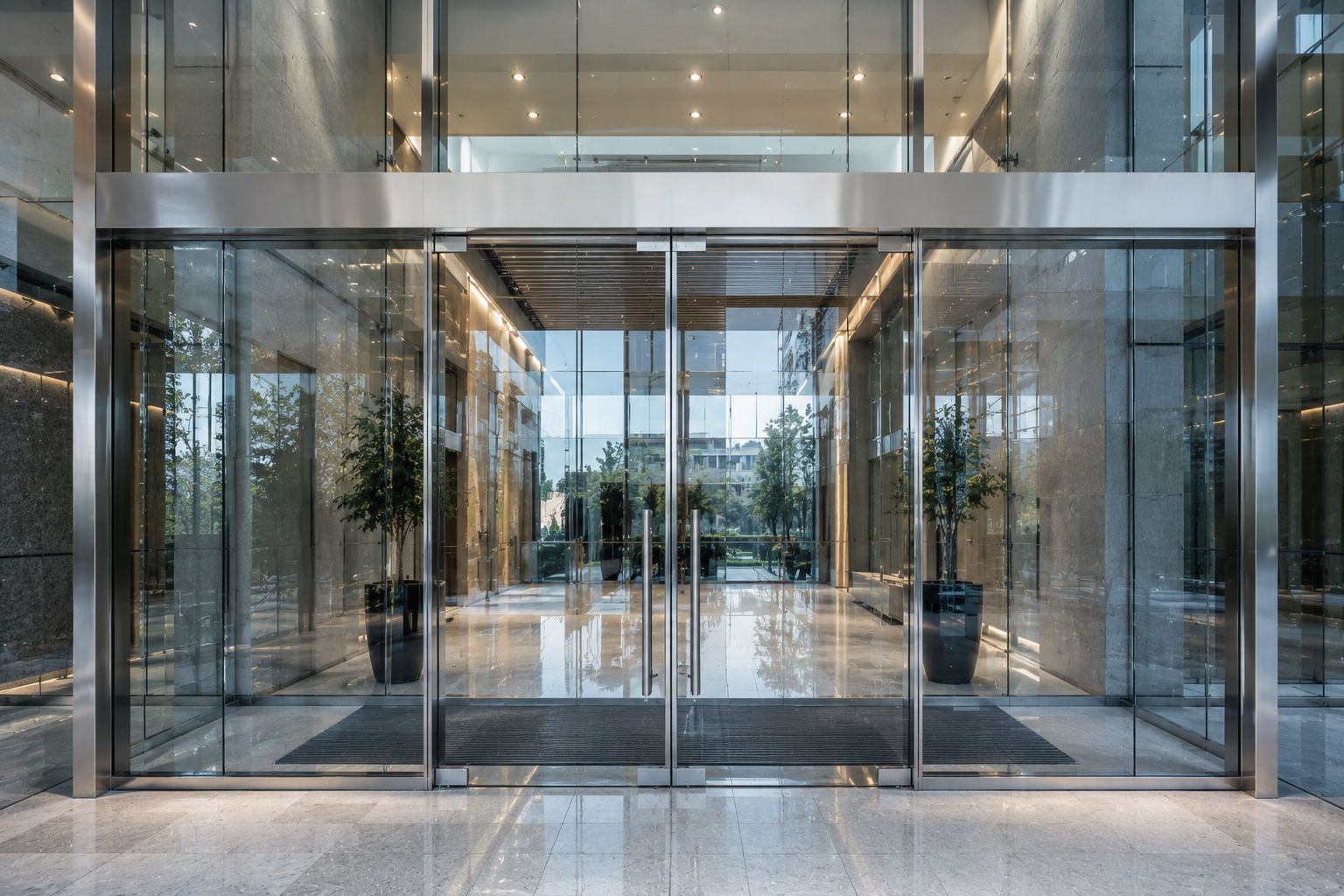
Comparing Structural Glazing and Curtain Wall Systems
In modern construction, exterior wall designs have evolved to prioritize aesthetics, performance, and efficiency. Among the leading advancements are structural glazing and curtain wall systems, each offering unique advantages for building envelopes. These solutions enable architects to create sleek, seamless glass facades that maximize natural light, enhance energy efficiency, and improve thermal and acoustic insulation. Structural glazing provides a frameless appearance by bonding glass panels directly to the supporting structure, resulting in a minimalistic look and uninterrupted views. Curtain wall systems, on the other hand, feature a framework—usually aluminum—that supports large expanses of glass, offering flexibility in design and facilitating easy integration of operable windows or shading elements. The application of these technologies is ideal for commercial buildings, high-rises, and institutions seeking modern aesthetics and long-term durability. When considering structural glazing vs curtain wall systems, it’s essential to weigh factors such as architectural intent, performance requirements, and maintenance needs.
Key features and specifications, including thermal performance, weather resistance, design options, and installation methods, are summarized in the table below.
- Design Intent: Structural glazing provides a frameless look, while curtain walls allow for more visible framing options.
- Performance Requirements: Curtain walls generally offer enhanced weather resistance and easier integration of operable windows.
- Building Height: Curtain wall systems are often preferred for tall structures due to their robust support frames.
- Budget and Maintenance: Structural glazing may entail higher installation and maintenance costs compared to conventional curtain wall systems.
Performance Factors in Structural Glazing and Curtain Walls
- Thermal Performance: The choice of glass type, frame material, and system design influences insulation and energy efficiency. Look for systems that meet or exceed local and international thermal standards to reduce heating and cooling costs.
- Air and Water Tightness: Robust weather sealing is essential to prevent leaks, drafts, and moisture ingress. Properly specified and installed systems protect interiors from environmental damage.
- Structural Integrity: Both structural glazing and curtain walls must withstand wind loads, seismic activity, and building movement. Ensure compliance with relevant codes and standards for safety.
- Acoustic Control: For urban or noisy environments, evaluate the system's ability to minimize sound transmission.
Frequently Asked Questions
Discover the Differences: Structural Glazing vs Curtain Wall Systems
Uncover the key distinctions between structural glazing and curtain wall systems. Explore the latest products, materials, and innovations, and compare trusted suppliers, manufacturers, and contractors to make informed decisions for your next construction project.