Home /
Glass Contractor /
Structural glazing installation
Structural glazing installation
Structural glazing transforms modern architecture by enabling expansive glass facades and seamless building envelopes. This innovative installation method is widely used in commercial and residential projects for its aesthetic and performance benefits. Discover insights, best practices, and material options to compare solutions and make informed decisions for your next construction project.
Structural glazing installation is a modern construction technique that connects large glass panels to a building’s framework using specialized adhesives or mechanical systems instead of traditional frames. This method allows architects and builders to create sleek, seamless facades that let in more natural light and offer clear outdoor views. By minimizing visible supports, structural glazing helps achieve a clean and contemporary look, which is popular in both commercial and residential projects. Understanding how structural glazing is installed can help property owners, builders, and designers make informed decisions when planning new constructions or renovations. This introduction will guide you through the basics of structural glazing installation, its key benefits, and what to expect from the process. Whether you’re interested in energy efficiency, design flexibility, or simply want to know how these impressive glass facades are assembled, learning about structural glazing can provide valuable insight into modern building practices.
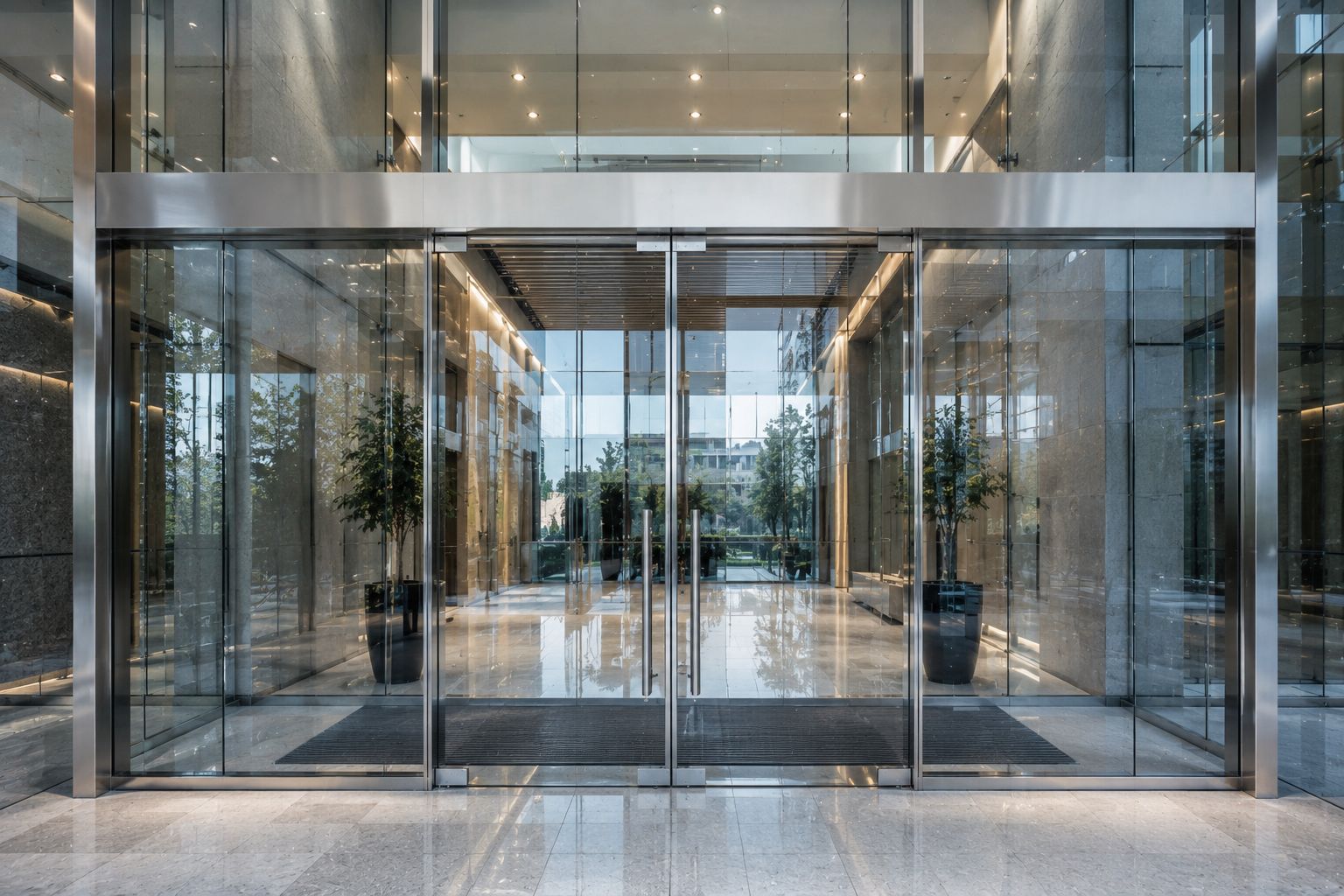
Expert installation of structural glazing systems, showcasing seamless integration of glass panels into a contemporary building exterior.
Key Steps in Structural Glazing Installation
Structural glazing installation has transformed modern building design by allowing architects and engineers to create expansive, uninterrupted glass facades that maximize natural light and deliver a sleek, contemporary aesthetic. This installation method relies on advanced adhesives and framing systems to secure glass panels, eliminating the need for traditional mullions or visible supports. The system not only enhances a structure’s visual appeal but also contributes to energy efficiency, thermal insulation, and weather resistance, making it highly valuable in both commercial and residential settings. Its versatility enables the construction solution to be used in curtain walls, atriums, canopies, and storefronts, supporting innovative architectural concepts while meeting rigorous safety and performance standards. The application of structural glazing installation also improves acoustic insulation and can accommodate various glass types, including laminated and insulated units, to address specific project requirements. To better understand this installation method, it is helpful to review the key features, specifications, and performance characteristics that define its effectiveness and suitability for diverse construction projects.
When considering structural glazing installation, understanding the primary types and their applications is essential for effective project planning. Structural glazing systems typically fall into two categories: fully unitized and semi-unitized systems.
Unitized Systems: These are pre-fabricated in factory settings, allowing for faster on-site assembly and consistent quality control. They are ideal for high-rise buildings where speed and uniformity are priorities.
Semi-Unitized Systems: In this approach, some components are assembled on-site, offering greater flexibility for complex designs or irregular building shapes.
Structural glazing installation is commonly used in commercial facades, atriums, and curtain walls, providing uninterrupted glass surfaces that enhance natural light and aesthetic appeal. It is also increasingly applied in residential and institutional projects seeking a modern, open look.
Selecting the right structural glazing system depends on factors such as building height, design complexity, climate, and desired performance characteristics—including thermal insulation, acoustic control, and weather resistance. Consulting with design professionals early in the process ensures that the chosen solution aligns with project goals and regulatory requirements.
Key Performance Factors in Structural Glazing Systems
When considering structural glazing installation, one of the most crucial factors is material selection and its impact on overall performance and durability. Choosing the right glass type, frame systems, and sealants directly affects both the structural integrity and long-term maintenance of the façade. For instance, high-performance glass options can improve energy efficiency, reduce noise, and enhance safety, while robust framing materials such as aluminum or stainless steel provide essential strength and resistance to weathering.
Key recommendations for material selection:
Assess the building’s environmental exposure and select glazing systems that withstand local wind loads, seismic activity, and temperature fluctuations.
Ensure compatibility between glass, sealants, and framing to prevent premature failures or leaks.
Prioritize materials with proven durability and low maintenance requirements for cost efficiency over the lifespan of the installation.
Consider laminated or tempered glass for enhanced safety and security.
Select sealants certified for UV-resistance and flexibility to maintain performance over time.
Careful evaluation of these factors in the context of structural glazing installation helps achieve a balance between aesthetics, safety, and longevity in demanding construction environments.
Frequently Asked Questions
Structural glazing installation refers to the process of attaching glass panels to a building’s structural frame using specialized adhesives or mechanical systems, rather than traditional frames. This method creates a seamless glass façade, offering modern aesthetics and improved daylighting for commercial and residential projects.
The primary types of structural glazing systems include two-sided, four-sided, and total vision systems. These differ by how many edges of the glass are supported by silicone or structural frames, influencing both appearance and structural performance.
Typical materials include tempered or laminated glass, structural silicones, aluminum or steel frames, and sometimes stainless steel fittings. The choice of materials depends on design requirements, safety standards, and environmental factors.
Structural glazing offers benefits such as uninterrupted views, enhanced natural light, energy efficiency, and a sleek, modern appearance. It also improves weather resistance and reduces the need for bulky framing, making it ideal for contemporary architectural designs.
Installation involves careful engineering calculations, use of certified materials, and adherence to safety standards. Glass panels are secured with structural silicone or mechanical fasteners, and all components are tested for load-bearing and weather performance during and after installation.
Structural glazing systems need regular inspection of seals, joints, and glass surfaces to ensure integrity and performance. Cleaning glass with non-abrasive materials and promptly addressing any sealant deterioration helps maintain durability and appearance.
When properly installed and maintained, structural glazing is highly durable, with materials engineered to withstand wind, rain, UV exposure, and temperature fluctuations. Quality installation and premium-grade sealants are essential for long-term performance in demanding environments.
Structural glazing must comply with international building codes and standards, such as ASTM, EN, and local regulations for glass strength, safety, fire resistance, and energy efficiency. Compliance ensures safety, performance, and legal approval for building projects.
Key pricing factors include glass type and thickness, façade design complexity, project size, hardware requirements, and customization needs. Installation difficulty, site conditions, and compliance with local regulations can also influence the overall cost.
Structural glazing is widely used in commercial buildings, high-rise offices, shopping malls, airports, and luxury residences. It is favored for curtain walls, atriums, canopies, and large glass facades where aesthetics, transparency, and performance are priorities.
Discover the Essentials of Structural Glazing Installation
Uncover in-depth information on structural glazing systems, compare leading products and materials, and evaluate trusted service providers. Make confident decisions for your next project with our comprehensive resources and supplier comparisons.