
Introduction
The pharmaceutical industry has become very competitive. Many manufacturers, contract manufacturing organizations, exporters and healthcare suppliers are now selling their products in countries around the world. Whether a company makes medicines, active pharmaceutical ingredients, nutraceuticals, medical devices, over-the-counter products or specialty pharmaceuticals global buyers start looking for suppliers online.
Before talking business distributors, healthcare organizations, importers, wholesalers and procurement teams compare manufacturers. They check company websites, certifications, production capabilities, compliance and quality standards. Trade exhibitions, working with distributors and business referrals are still important.
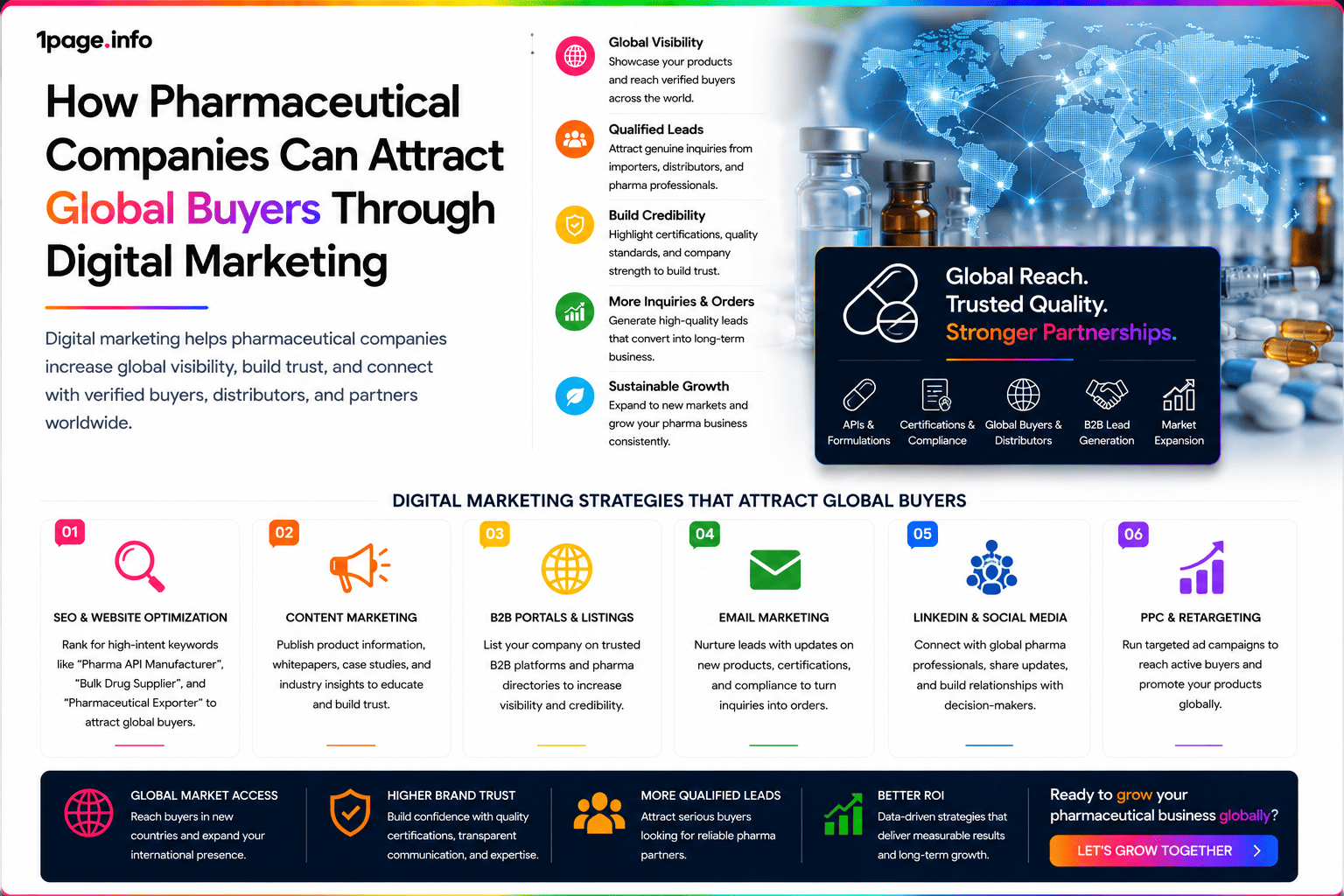
Digital marketing is now a key way for pharmaceutical companies to reach buyers, from other countries. Through search engine optimization, LinkedIn marketing, educational content and email campaigns pharmaceutical companies can improve their presence. They can build credibility. Get qualified business inquiries. A planned digital marketing strategy helps pharmaceutical businesses connect with decision-makers. It supports their long-term plans to expand internationally.
Export-Focused Digital Marketing Strategies
Export marketing in the pharmaceutical industry has shifted toward digital channels as international buyers increasingly conduct online research before selecting suppliers. Procurement managers, distributors, importers, healthcare organizations, and regulatory professionals compare multiple manufacturers before requesting quotations or beginning qualification processes.
A successful export-focused marketing strategy combines SEO, professional website development, LinkedIn networking, educational content, email marketing, and digital brand building. These channels help pharmaceutical companies present their expertise, product portfolio, manufacturing capabilities, and regulatory compliance to international audiences.
Digital marketing also allows companies to target specific geographic markets, healthcare sectors, and buyer segments, improving marketing efficiency while generating higher-quality export opportunities.
International SEO for Pharmaceutical Businesses
International SEO is really important for companies because it helps them get noticed by people all over the world who use search engines. When people are looking for manufacturers or companies that can make their products for them or things like APIs finished dosage forms, nutraceutical suppliers or healthcare products they usually look at companies from lots of different countries before they decide who to work with. If you make your website better by using the words that people in other countries are searching for you can get a higher ranking in search engines.
This means you should update your product pages and the information about how you make things and your technical resources and what you can export. You should also use keywords that people in countries are using.
You can also make pages, for each country and use multiple languages if that makes sense and make sure your website is easy to navigate. All of this helps pharmaceutical companies get found by people who are searching for partners to make and supply their products. International SEO is a way for pharmaceutical companies to get more people to visit their website naturally which helps them reach buyers who are looking for good manufacturing and supply partners.
Website Optimization for Global Healthcare Buyers
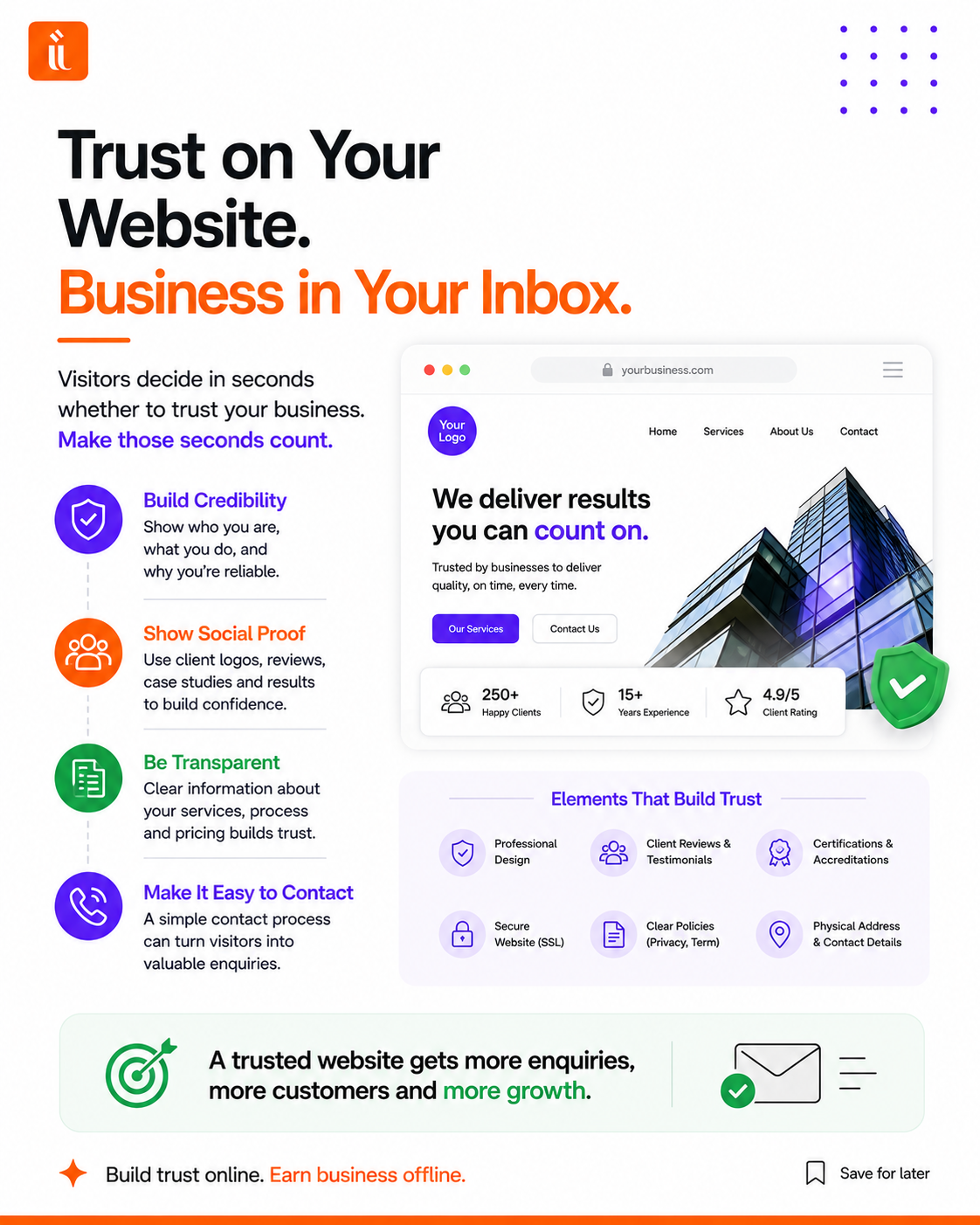
A pharmaceutical company's website serves as its digital corporate profile for international buyers. It should clearly communicate manufacturing expertise, product portfolio, research capabilities, production facilities, certifications, export experience, and quality assurance systems.
Healthcare buyers expect detailed information about manufacturing standards, production capacity, regulatory approvals, therapeutic categories, packaging options, and global distribution capabilities. Product pages should include technical specifications, dosage forms, packaging information, and downloadable documentation where appropriate.
Fast-loading pages, responsive design, intuitive navigation, multilingual support where necessary, and easy inquiry forms create a professional user experience that encourages international buyers to begin business discussions.
LinkedIn Marketing for B2B Pharmaceutical Companies
LinkedIn has become one of the most valuable business development platforms for pharmaceutical companies targeting international markets. Procurement managers, healthcare executives, distributors, regulatory specialists, importers, wholesalers, and business development professionals regularly use LinkedIn to identify manufacturing partners and evaluate suppliers.
Companies can strengthen their visibility by sharing industry updates, manufacturing innovations, research achievements, regulatory developments, product launches, healthcare trends, and participation in international exhibitions. Educational content demonstrates expertise while keeping the business visible throughout lengthy pharmaceutical procurement cycles.
Senior management and business development teams can also build relationships by engaging with healthcare professionals, joining pharmaceutical groups, and connecting directly with decision-makers across global markets.
Product Catalog, Manufacturing Capabilities, and Technical Documentation Optimization
When people buy things from countries they want to know a lot about the products before they choose a company to buy from. This is especially true for pharmaceutical suppliers. The company should have a list of products that's easy to understand.
This list should include what the medicine is for how it is taken how much of the medicine is in each package what the package looks like what the company can make and what things the company can do for the buyer. The company should not just have a list that you can download. They should have a page on their website for each product. This way search engines like Google can find the product easily.
The page that talks about what the company can make should say what the companys factories are like what kind of medicine they can make, if they can make medicine for companies how they make sure the medicine is good what new things they are working on and what kind of machines they use to make the medicine.
If the company has papers that say their products are good and they have information about how they make their products and they can test their products this makes the buyer feel better about the company. The company should also have papers that say they are following the rules. All of this information helps the buyer feel confident in the company and helps them decide if they want to buy from the company. Pharmaceutical suppliers, like these are more likely to get chosen by buyers.
Case Studies, Educational Content, and Healthcare Insights
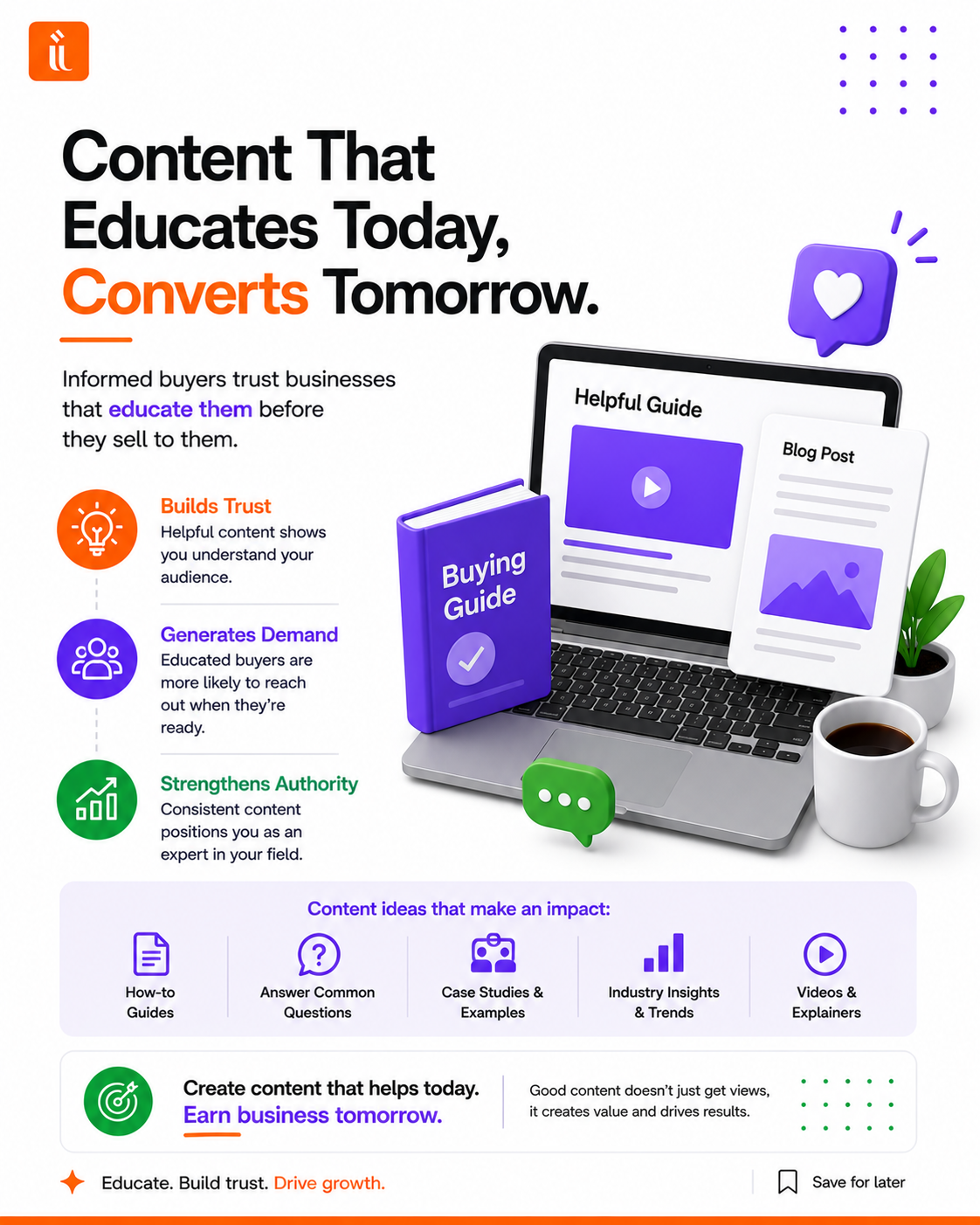
Content marketing allows pharmaceutical companies to demonstrate industry expertise while improving search engine visibility. Healthcare professionals and international buyers frequently search for information about pharmaceutical manufacturing, regulatory compliance, formulation development, quality assurance, supply chain management, and industry innovations.
Publishing educational articles, technical resources, healthcare insights, regulatory updates, manufacturing trends, and industry reports helps establish the company as a trusted knowledge partner. Valuable content also improves SEO by attracting qualified visitors during the research phase of the purchasing process.
Case studies highlighting successful manufacturing partnerships, product development projects, export achievements, or supply chain solutions provide practical evidence of expertise while strengthening credibility among prospective buyers.
Email Marketing and Lead Nurturing
International pharmaceutical sales can be really complicated. Take a long time. There are a lot of steps involved like checking if a company's qualified looking at the technical details making sure everything is okay with the rules and talking about money.
Email marketing is a way for companies to stay in touch with people who might want to buy their products. This is helpful because the process of buying something can be very long and complicated. Some companies send out newsletters to keep people informed.
These newsletters can have information about products changes in rules new ways of making things upcoming events what is happening in the healthcare world and what the company has achieved. When a company sends out newsletters that are personalized it means they are sending information that's really relevant to the person reading it.
This helps people pay attention and makes the relationship between the company and the buyer stronger, over time. The goal is to make sure that when people are ready to start talking about buying something or making something they still think of your company as one of their choices. This is called lead nurturing. It is an important part of international pharmaceutical sales.
Building Trust Through Certifications, Regulatory Compliance, Quality Standards, and Manufacturing Excellence
Trust is one of the most important factors in pharmaceutical procurement because buyers must ensure products meet strict regulatory and quality requirements. Companies should prominently display certifications, regulatory approvals, quality management systems, manufacturing standards, laboratory capabilities, and compliance information throughout their website.
Information about manufacturing facilities, research capabilities, quality assurance processes, testing procedures, sustainability initiatives, and global export experience further demonstrates professionalism. Customer success stories, international partnerships, and long-term business relationships also strengthen credibility while reassuring potential buyers.
Providing transparent information about manufacturing excellence and compliance helps establish confidence among international healthcare organizations and distributors.
Analytics and Future Digital Marketing Trends
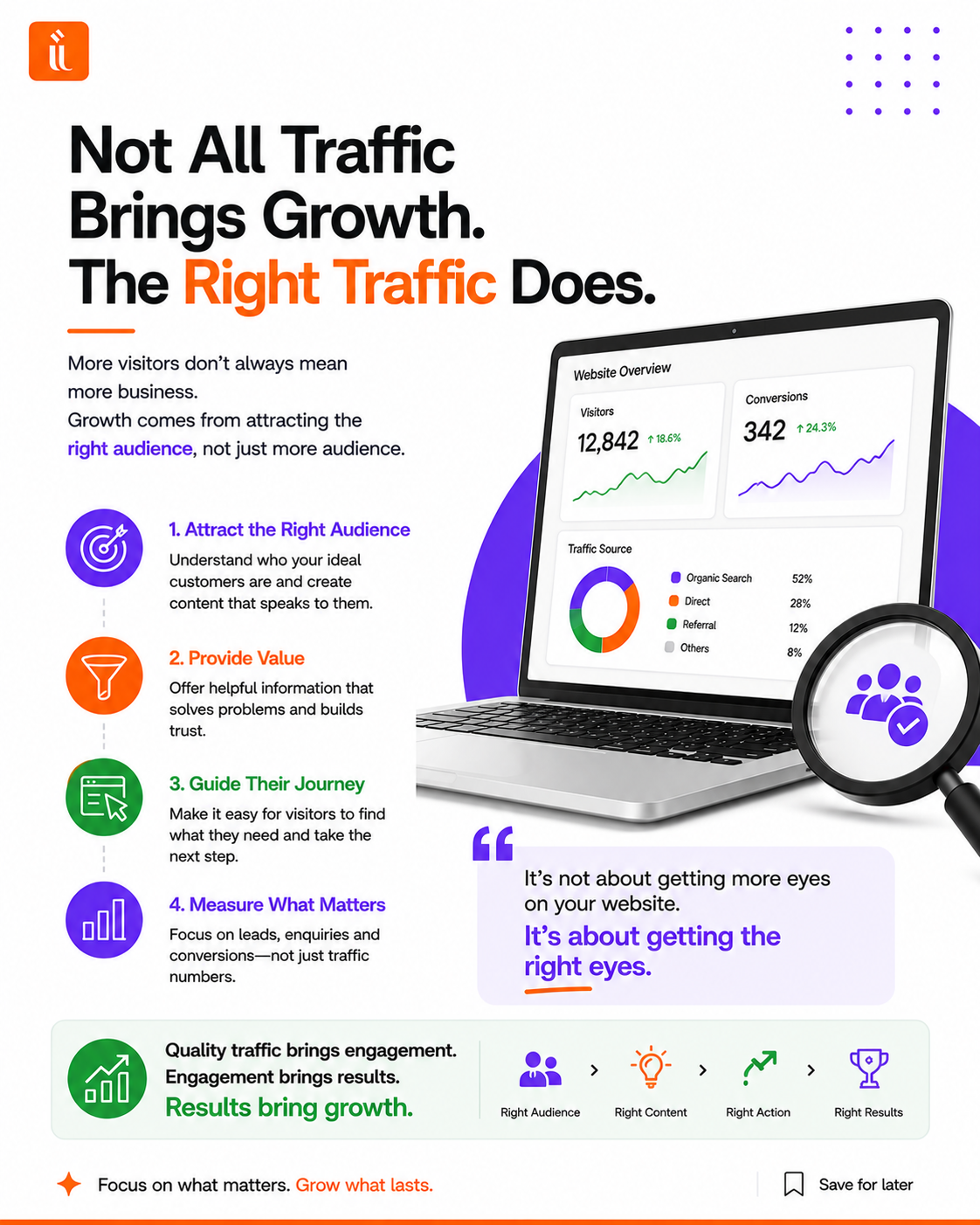
Digital marketing is really helpful for companies because it lets them see how their marketing is doing all around the world. They can use website analytics to find out where their visitors are from what products people are interested in what people are reading, where people are coming from and what people are buying in countries.
They can keep an eye on things like how they rank for certain words how many people are asking for quotes how many people are asking about products how many people are downloading documents how many people are visiting their website and how many people are actually buying something. This helps pharmaceutical companies make their digital marketing better all the time.
They can make decisions based on data, which helps them put their marketing money into things that actually work. New technologies like intelligence and marketing automation are changing the way pharmaceutical companies do marketing.
They can also use things like analytics to guess what people will want personalized customer experiences to make people feel special virtual product presentations to show people what they have and data-driven content strategies to create content that people actually want to read. Pharmaceutical companies that start using these technologies early will be better than their competitors, in the global market. Digital marketing is a part of this and pharmaceutical companies are using it to get ahead.
Step-by-Step Guide to Expanding into International Markets
International growth begins with building a professional website that clearly presents your products, manufacturing capabilities, regulatory compliance, certifications, and export expertise. Businesses should then implement international SEO by optimizing product pages, manufacturing content, and country-specific landing pages for target markets.
Strengthening LinkedIn presence, publishing educational healthcare content, showcasing manufacturing excellence, and nurturing leads through personalized email marketing further improves international visibility. Continuous monitoring of website analytics, buyer engagement, search performance, and lead quality ensures ongoing improvement while supporting sustainable global expansion.
Digital marketing should be viewed as a long-term investment that consistently builds international credibility, generates qualified inquiries, and strengthens relationships with healthcare buyers worldwide.
Conclusion
Digital marketing is a good way for pharmaceutical companies to get international buyers and sell their products all over the world. Companies that have a presence on the internet are more likely to get noticed by healthcare organizations and people who buy medical supplies. They use the internet to find out about companies and what they have to offer. So pharmaceutical companies that are easy to find online have a chance of succeeding.
Pharmaceutical companies can use a different tools to get more business from other countries. They can make sure their website shows up near the top when people search for things online. They can also use LinkedIn to reach people who might be interested in their products. Making documents and information that explain how their products work is also an idea.
Creating content that teaches people about their products is useful too. Pharmaceutical companies should also keep track of how their marketing effortsre working and make changes as needed. This helps them get more people to ask about their products and builds trust with people who buy supplies from all over the world. If pharmaceutical companies invest in marketing now they will be more believable and trustworthy to people.
This will help them sell their products to people in other countries and be successful, in the long run. The pharmaceutical industry is very competitive. Digital marketing can help companies do well and keep growing.