
Property demand across India is rising. New launches in Mumbai, Pune, Bengaluru, and Hyderabad are at record highs. And yet, many developers are watching their inquiry numbers fall even as the market grows around them.
The reason is almost always the same. Lead quality decreases because of three factors — poor targeting, delayed follow-ups, and ambiguous landing page design. Most developers don't have a marketing problem. They have a system problem.
The Buyer Has Already Decided Before They Contact You
Property buyers in 2026 scroll before they select. They compare multiple options, watch video tours, read reviews, check location maps, and shortlist projects entirely on their own — before ever speaking to a salesperson. If your project doesn't show up where buyers are searching, it quietly disappears from their shortlist. Not rejected. Just never seen.
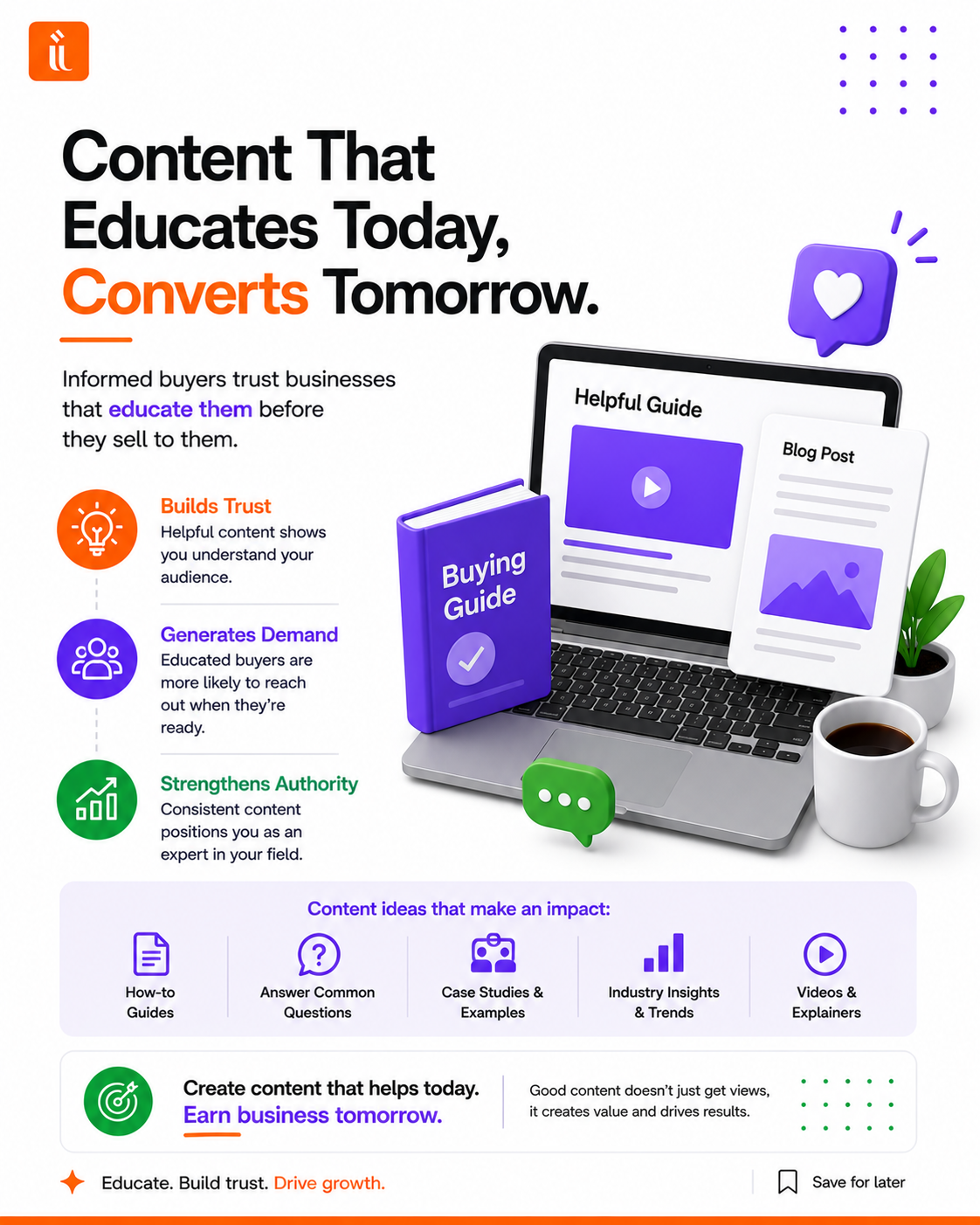
This is the structural problem most real estate brands have. Their digital marketing is designed for conversion, not for the research phase that precedes conversion. They invest in lead capture forms and paid search ads while neglecting the educational content, social proof, and search visibility that build the trust required for someone to actually fill out that form.
Why Generic Targeting Kills Lead Quality
Broad targeting is one of the most expensive mistakes in real estate marketing. If you are selling a project on Sultanpur Road, Lucknow, your ads should not be appearing to everyone in India. They should be appearing to people actively searching for properties in that specific micro-market, within a specific budget range, at a specific life stage.
Real estate in India does not have one buyer. It has several, and they behave very differently. A first-time homebuyer in their early thirties evaluating a 2BHK in an emerging micro-market has completely different concerns than an investor looking at a premium project for rental yield. Collapsing them into a single marketing strategy produces content that resonates with nobody particularly well.
Three Things That Are Quietly Killing Your Leads
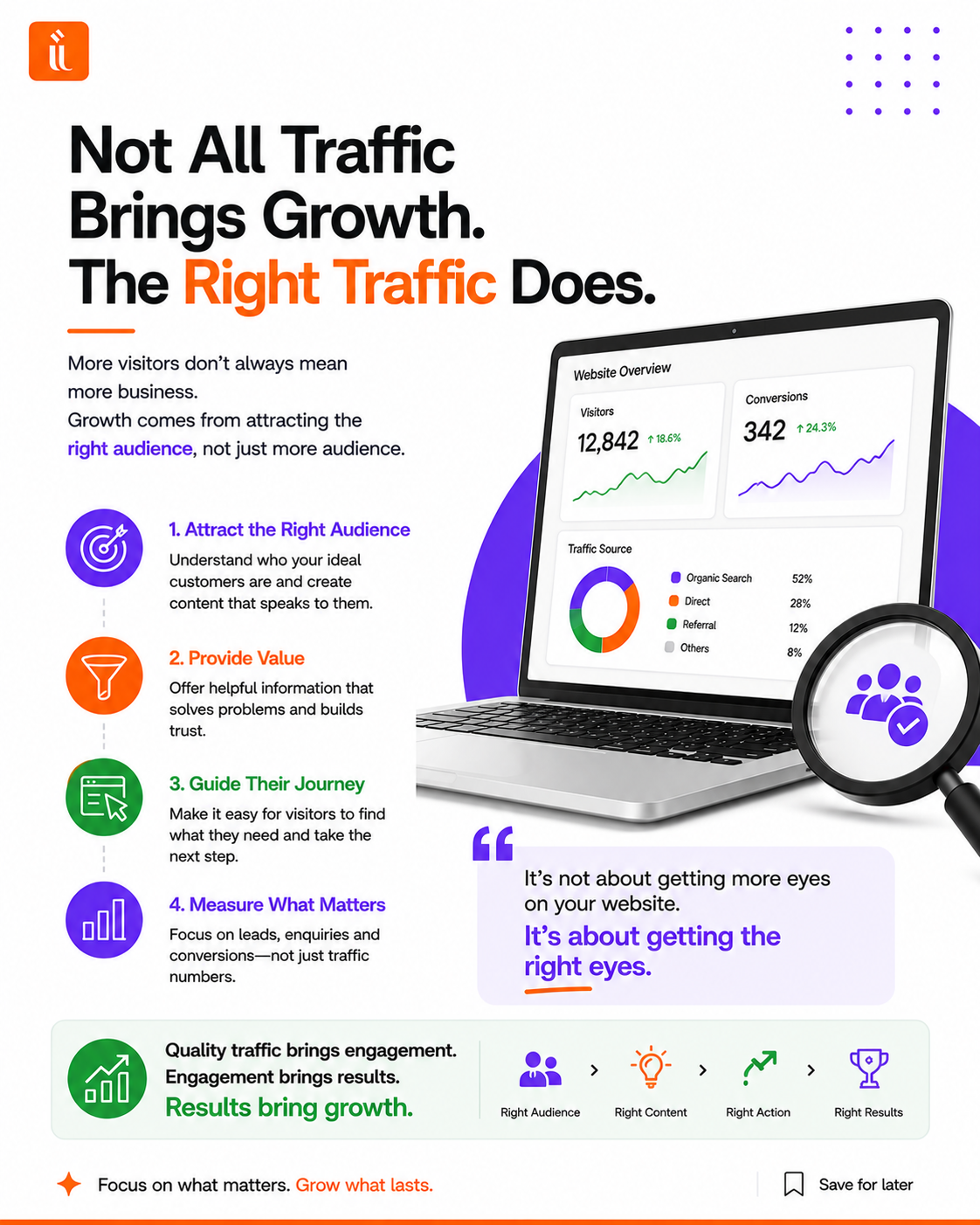
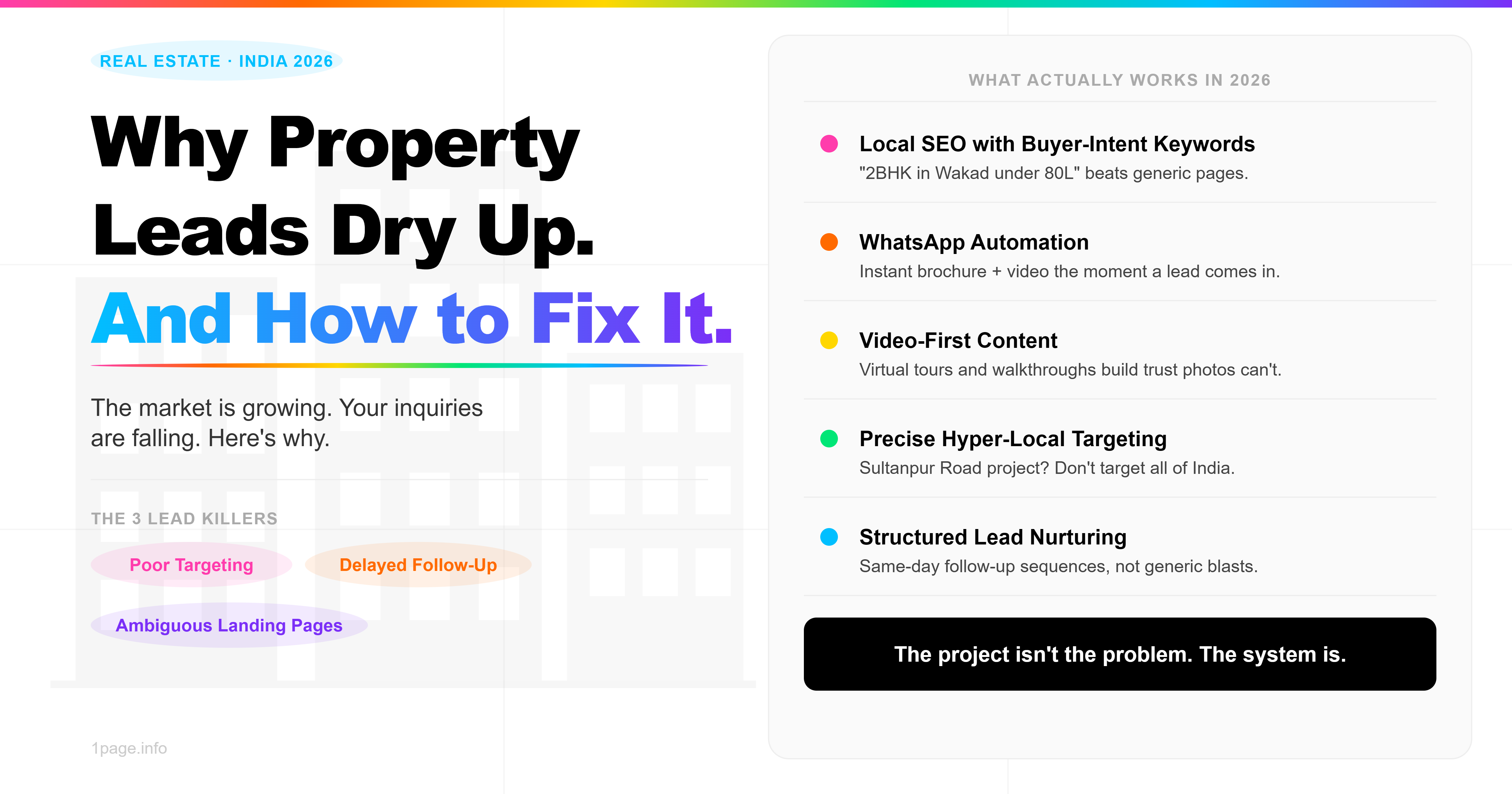
Poor targeting. Broad, untargeted campaigns generate high volume and low quality. The leads come in, but they don't convert — because they were never the right audience in the first place.
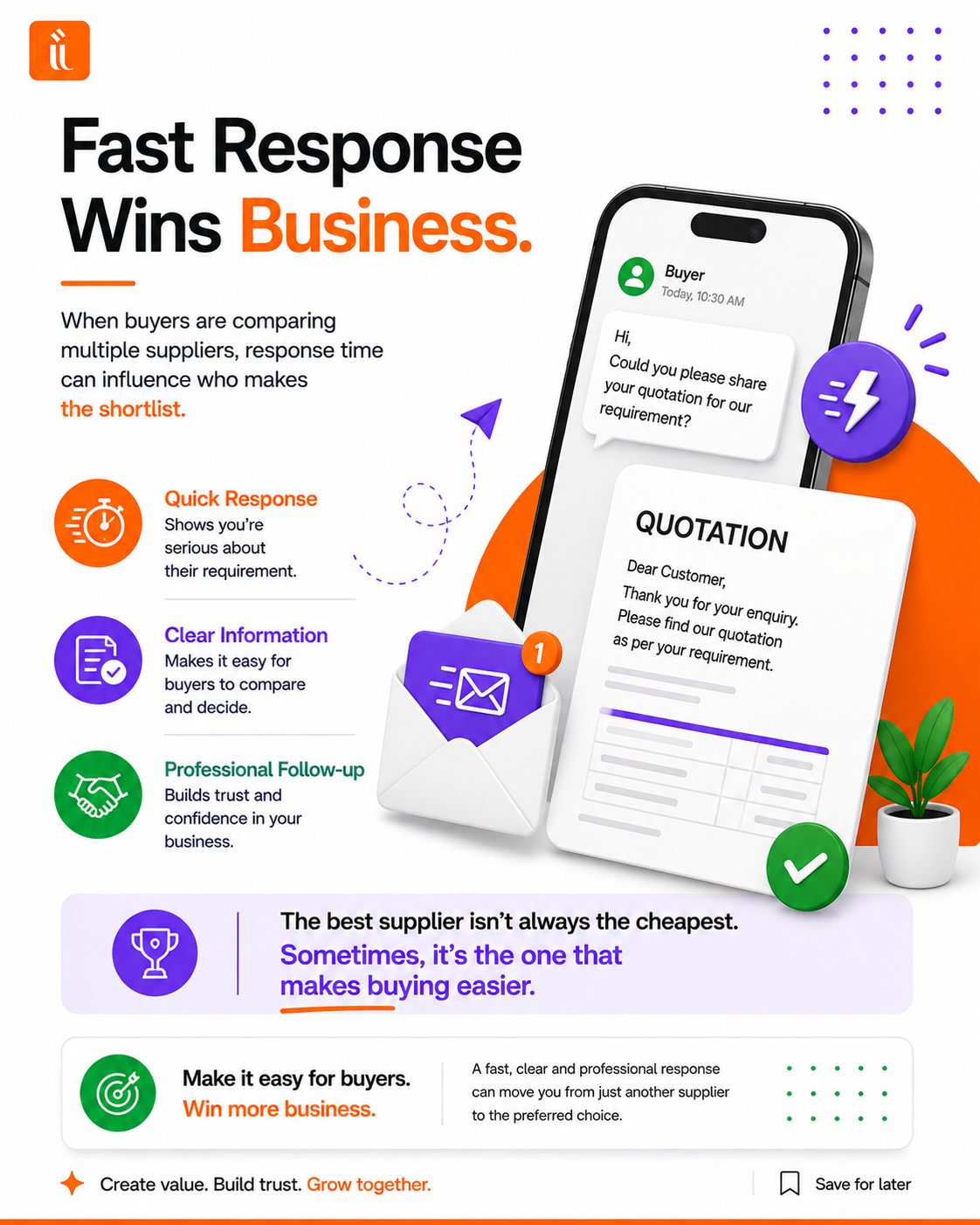
Delayed follow-up. When a lead submits an inquiry, the response speed determines whether they stay engaged or move to a competitor. An inquiry that sits for 24 hours has already lost the buyer's attention to whoever responded first.
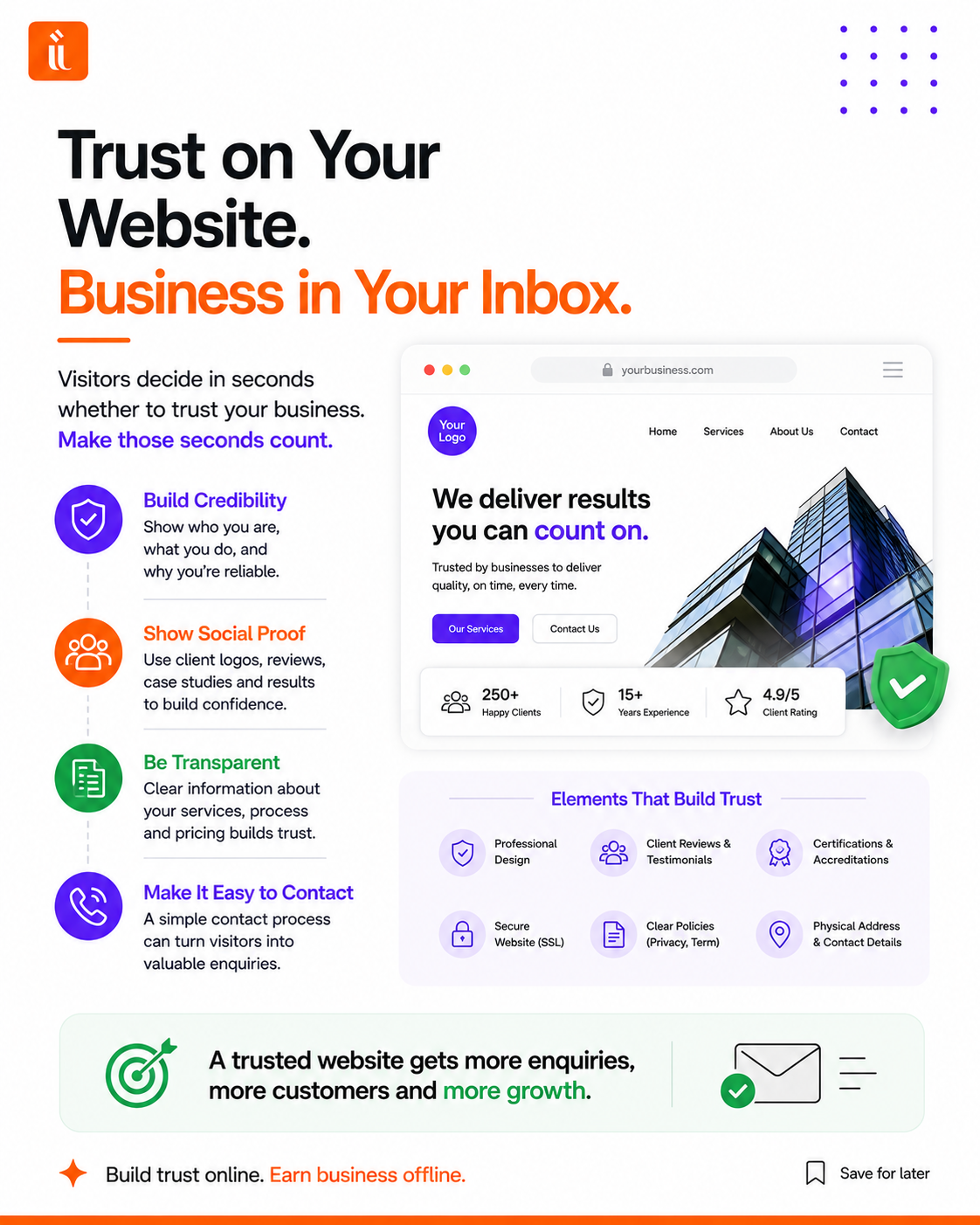
Ambiguous landing pages. A site that loads slowly, displays unresponsive elements, or buries critical information — price, location, possession date, RERA number — behind a registration form will lose buyers before they form any impression of the project at all.
What Actually Works in 2026
Local SEO with buyer-intent keywords continues to drive high-quality leads. Pages built around specific searches — "2BHK flats in Wakad under 80 lakhs," "RERA approved projects in Whitefield" — attract buyers who are already close to a decision, not casual browsers.
WhatsApp is the most underutilised digital marketing channel in Indian real estate, given how central it is to how Indians actually communicate. A WhatsApp Business account with a structured catalogue, quick-reply templates for common questions, and a permission-based broadcast list for project updates operates as a direct line to interested buyers at essentially zero marginal cost. The moment a lead comes in through the website, an automated WhatsApp message with a brochure and video link should follow immediately — before the lead has a chance to move to a competitor.
Video content is no longer optional. Static photos do not work for an audience that is busy, time-poor, and skeptical of exaggeration. Virtual tours, drone footage of the site, and short-form video walkthroughs build the trust that static images cannot.
Effective lead nurturing does not end at the inquiry form. An inquiry from someone who downloaded a brochure on Monday should trigger a structured sequence — a same-day acknowledgment, a specific follow-up offer, and content that matches what they expressed interest in, not generic brand communications.
The Bottom Line
Real estate digital marketing in 2026 is not about running more ads. It is about building an integrated system — local SEO that attracts the right buyers, precise targeting that filters out the wrong ones, fast WhatsApp-driven follow-up that keeps interested buyers engaged, and content that builds trust before a single sales conversation happens.
The developers generating consistent, high-quality leads in 2026 are not spending more. They are spending smarter — on a system where every part works together toward one outcome: turning online interest into scheduled site visits.
If your inquiries are slowing down, the project probably isn't the problem. The system around it is