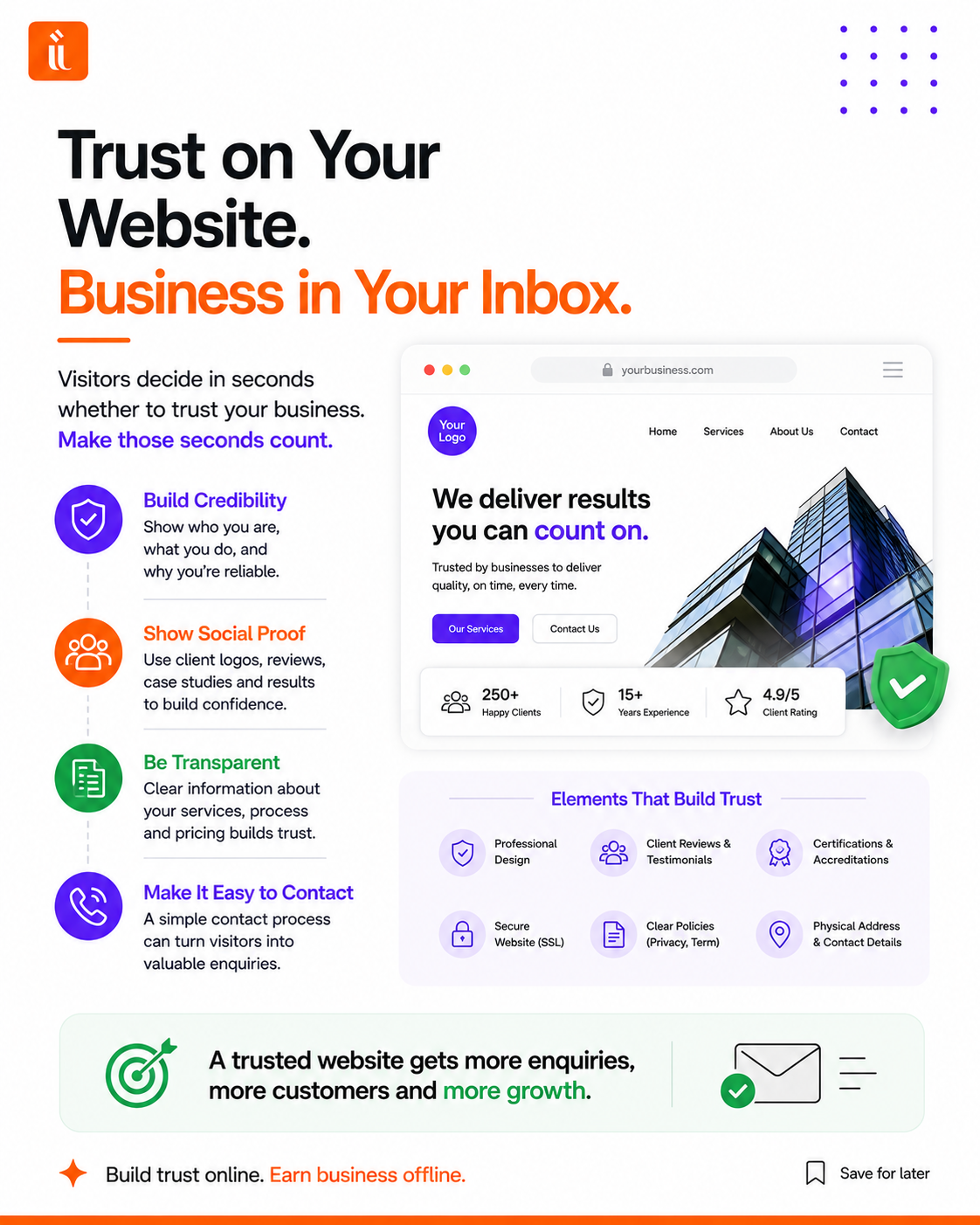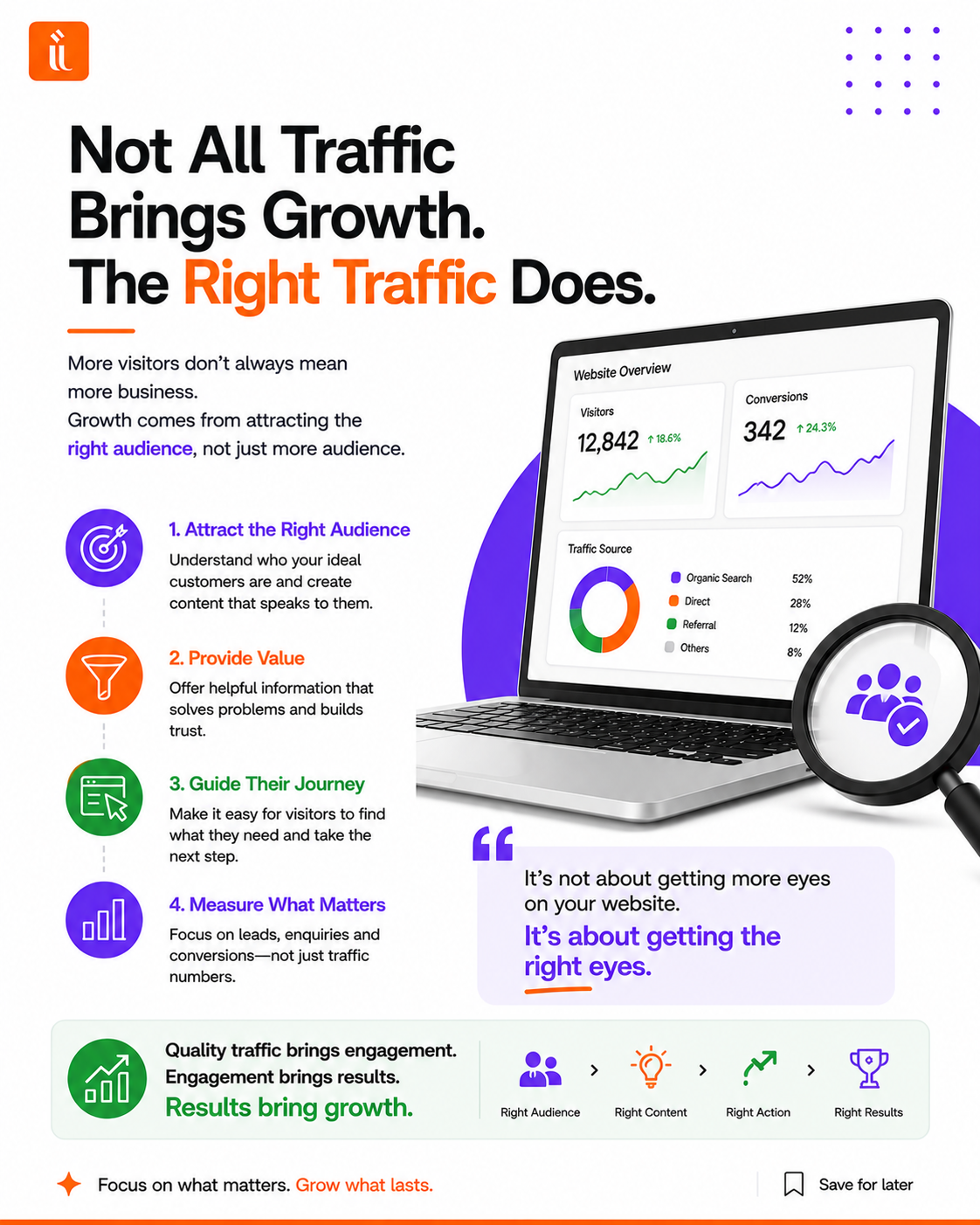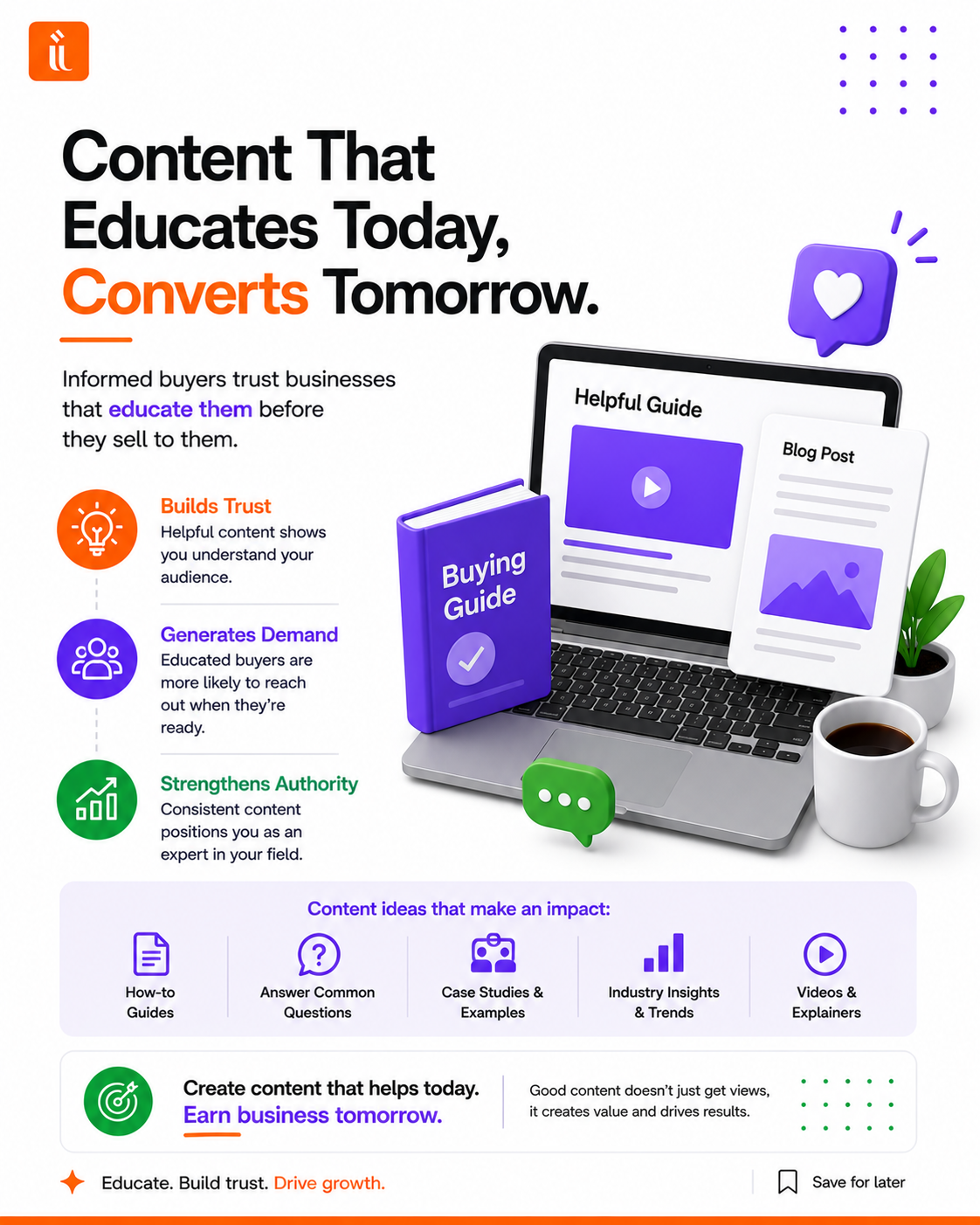

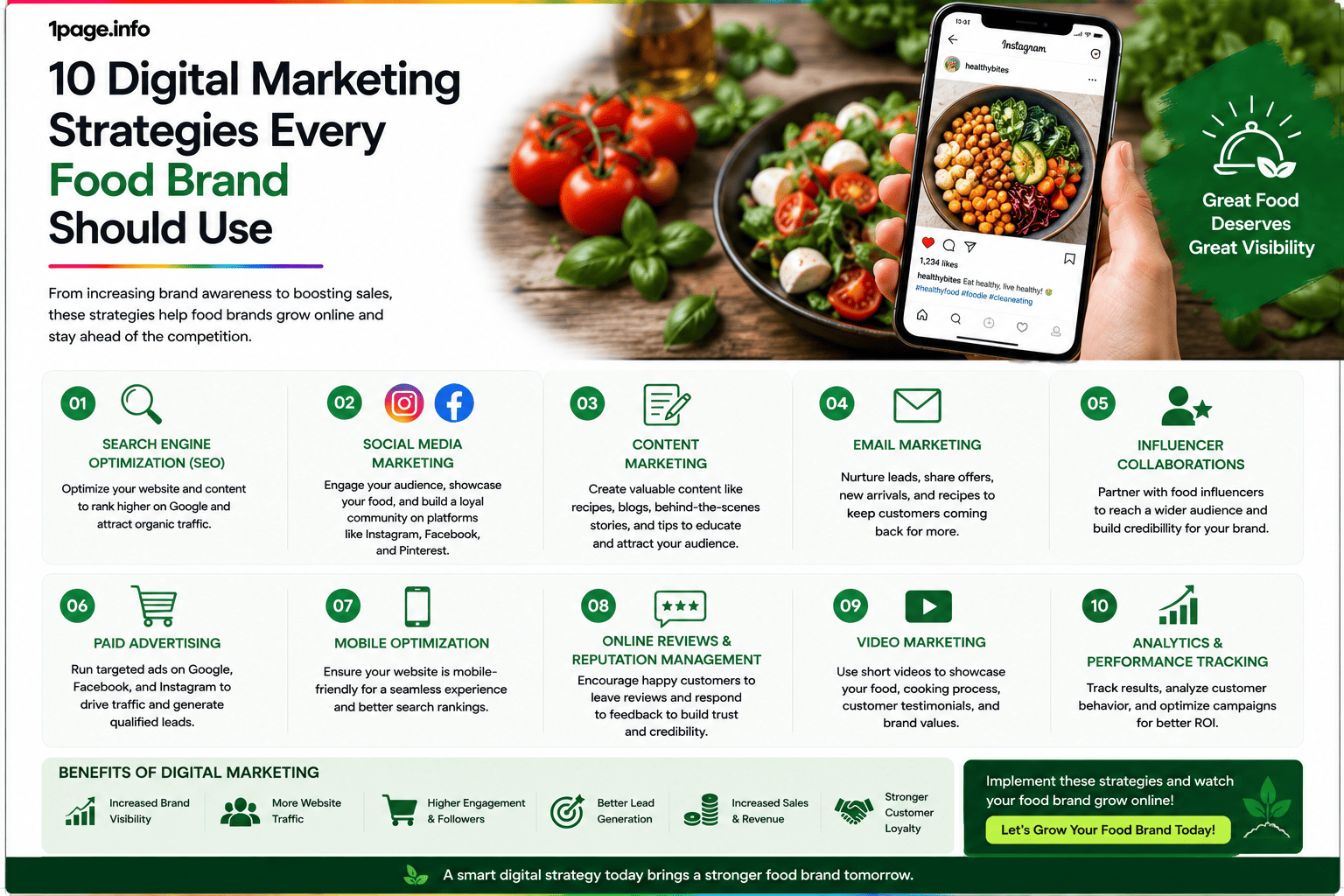
The food industry has become more competitive than ever. Whether you sell packaged foods, organic products, beverages, frozen foods, snacks, spices, or gourmet products, customers now begin their buying journey online. They search for products on Google, discover brands through Instagram and YouTube, compare reviews, and often visit a website before making a purchase. Traditional marketing methods like exhibitions, newspaper advertisements, and distributor networks still have value, but they are no longer enough on their own. A strong digital marketing strategy helps food brands build awareness, generate qualified leads, increase online sales, and create long-term customer loyalty. Here are ten digital marketing strategies every food brand should consider to grow its online presence. Search Engine Optimization is a good way for food businesses to get more customers in the long run. People look for things like spices, healthy snacks and dairy products on the internet every day. They also search for packaged foods and food manufacturers. If you use the words make your website better and write good things about your products your food business will show up higher on Google when people search for these things. This is better, than paying for ads because Search Engine Optimization keeps bringing people to your website over time and it helps you get customers who are already looking for the things you sell. Content marketing helps food brands educate customers while improving search rankings. Publishing blogs about healthy eating, recipes, storage tips, food safety, nutrition, ingredient guides, and industry trends positions your business as an expert. Informative content also answers customer questions before they purchase, helping build trust and increasing the chances of conversion. Consistently publishing high-quality articles allows your website to rank for more keywords and attract a wider audience. Social media is really good for food brands because people like to look at food. They can use Instagram, Facebook, LinkedIn and YouTube to show people what they have. They can show their food, how to make it what happens in the kitchen what people think of their food and special deals for times of the year. Food brands can make videos show people how to make recipes and record themselves making food. These things get a lot of attention and people like to share them with their friends. If food brands post things all the time people will remember them. They will have better relationships with the people who already like their food. Social media is a way for food brands to get people to notice them and to stay in touch with their customers like the food brands, on Instagram and Facebook and YouTube. Many businesses focus only on acquiring new customers while overlooking existing ones. Email marketing allows food brands to maintain regular communication through newsletters, product launches, exclusive discounts, seasonal offers, educational content, and personalized recommendations. It helps nurture customer relationships and encourages repeat purchases. Segmenting your email list based on customer interests or buying behavior further improves engagement and conversion rates. Influencer marketing is a good way to get people to trust your brand and reach people who are actually interested. Food bloggers and chefs and nutritionists and fitness coaches and people who make lifestyle videos can help you get your products out to their followers by doing reviews and making videos with your products in recipes and showing how they work. This way of doing things usually works better than ads because the people talking about your products are people that their followers already like and trust. When you pick influencers who have followers that're like the people you want to reach it usually works better, than just picking people with a lot of followers. Paid advertising provides immediate visibility while supporting your long-term marketing efforts. Google Ads help your products appear when customers search with buying intent, while Facebook and Instagram Ads allow you to target audiences based on interests, demographics, behavior, and location. Paid campaigns work particularly well for product launches, seasonal promotions, festive offers, and introducing new product lines. When combined with SEO, paid advertising creates a balanced marketing strategy that delivers both short-term and long-term growth. Most website visitors do not make a purchase during their first visit. They may compare products, read reviews, or simply explore different brands before making a decision. Retargeting allows food brands to reconnect with these visitors by displaying personalized advertisements after they leave the website. These ads can feature recently viewed products, limited-time offers, customer testimonials, or promotional discounts. Retargeting keeps your brand top of mind and encourages potential customers to return and complete their purchase. Driving traffic to your website is the beginning. People who visit your website should be able to look around and find what they need. They should be able to ask questions or buy things without any hassle. Your website needs to do a few things. It should load fast work well on phones and have good pictures of your products. You should also have information about what you are selling and let customers share their thoughts about your products. It should be easy for people to get around your website. You should have buttons that say things like "Request a Quote" or "Buy Now" or "Contact Us". These buttons help people know what to do when they are on your website. A good website makes it nice for people to use and helps turn visitors into customers. Your website can do a job if it is easy to use and looks good. A website, like this helps people have an experience and makes them more likely to buy something from your website. Customer reviews influence purchasing decisions across the food industry. Encourage satisfied customers to leave reviews on Google, your website, and e-commerce platforms. Positive feedback increases credibility and provides reassurance for new buyers. Sharing testimonials, case studies, and user-generated content on social media further strengthens trust and encourages potential customers to choose your brand over competitors. Digital marketing delivers the best results when it is supported by data. Use tools like Google Analytics, Google Search Console, Meta Ads Manager, and email marketing reports to understand how customers interact with your website and campaigns. Monitor website traffic, keyword rankings, conversion rates, advertising performance, email engagement, and social media metrics. Regular analysis helps identify what is working and where improvements are needed, allowing you to make informed marketing decisions and maximize return on investment. Many successful food brands combine several of these strategies rather than relying on a single marketing channel. An organic food company may use SEO to rank for product-related searches, Instagram to share recipes, influencer collaborations to build credibility, email marketing to promote seasonal offers, and retargeting ads to recover abandoned carts. By integrating these strategies, they create multiple opportunities for customers to discover, trust, and purchase their products. Digital marketing continues to evolve rapidly. Artificial Intelligence is making customer experiences more personalized, while voice search is changing how consumers find food products online. Video content, interactive shopping experiences, and AI-powered recommendations are expected to play an even bigger role in the coming years. Food brands that adopt these technologies early while maintaining strong SEO and content marketing foundations will be better positioned to compete in an increasingly digital marketplace. Growing a food brand is tough these days. It is not about making great food. People want to find food brands on the internet look at what they have to offer and talk to them on websites before they buy anything. To really get seen online and get people to talk to them food brands need to do a lot of things. They need to make their website show up in search results create content that people want to read be on media send emails work with people who have a lot of followers pay for ads and get people to come back to their website. They also need to make sure their website is easy to use and get feedback from customers. By doing all these things food brands can get a lot more people to notice them and want to buy from them. Of just doing one thing to market themselves food brands should try to do a lot of things at the same time. This way food brands can keep growing find people who really want to buy from them and make customers happy for a time even when there is a lot of competition, from other food brands.Why Digital Marketing Matters for Food Brands
1. Build a Strong SEO Strategy
2. Create Valuable Content
3. Grow Through Social Media
4. Build Relationships with Email Marketing
5. Partner with Influencers
6. Invest in Paid Advertising
7. Use Retargeting to Recover Lost Customers
8. Optimize Your Website for Conversions
9. Build Trust with Customer Reviews
10. Measure and Improve Your Marketing
Real-World Example
Future Trends in Food Marketing
Final Thoughts
Want to grow your food brand online? Learn how SEO, social media, email marketing, influencer partnerships, paid advertising, and retargeting can help increase visibility, attract customers, and drive long-term business growth.