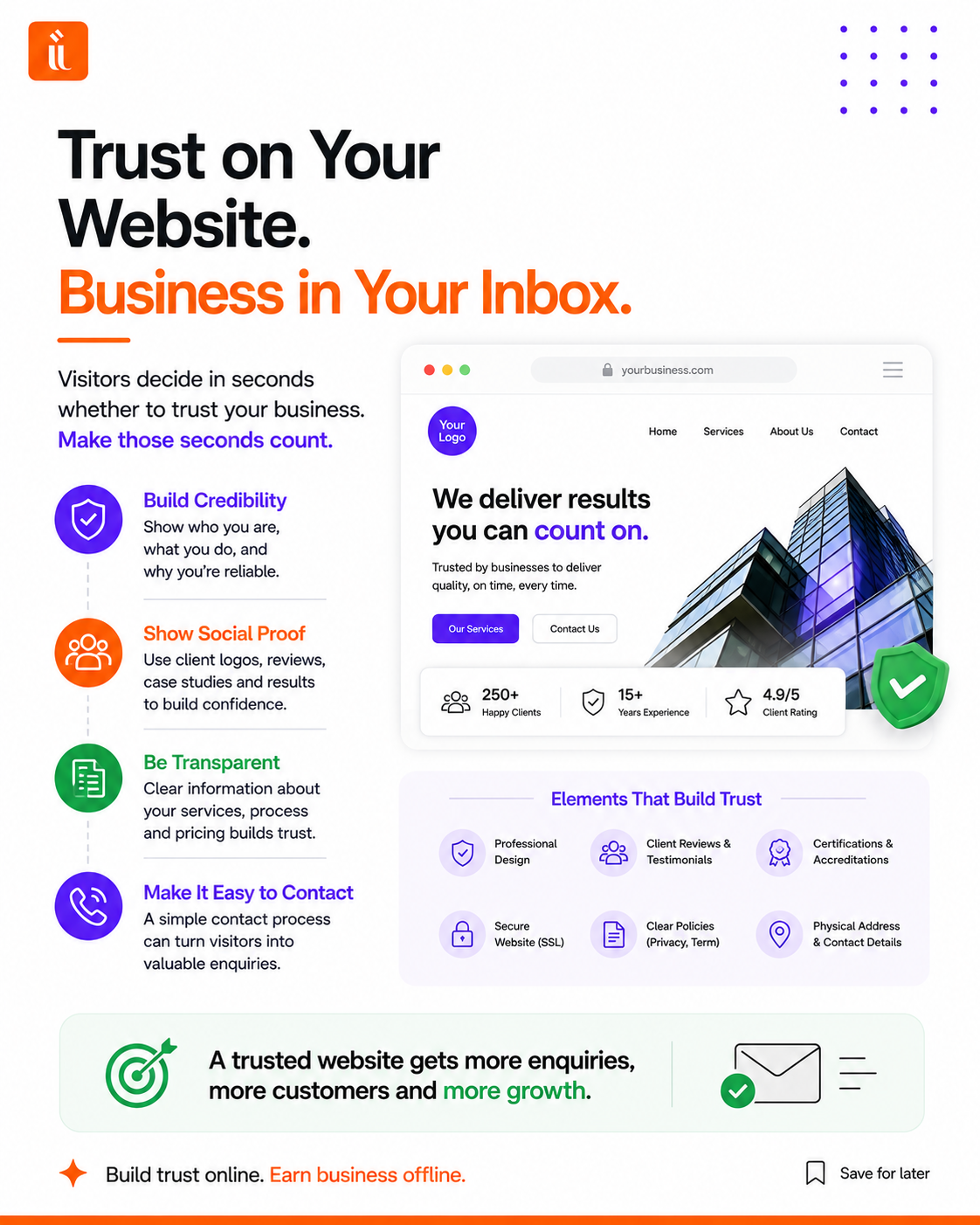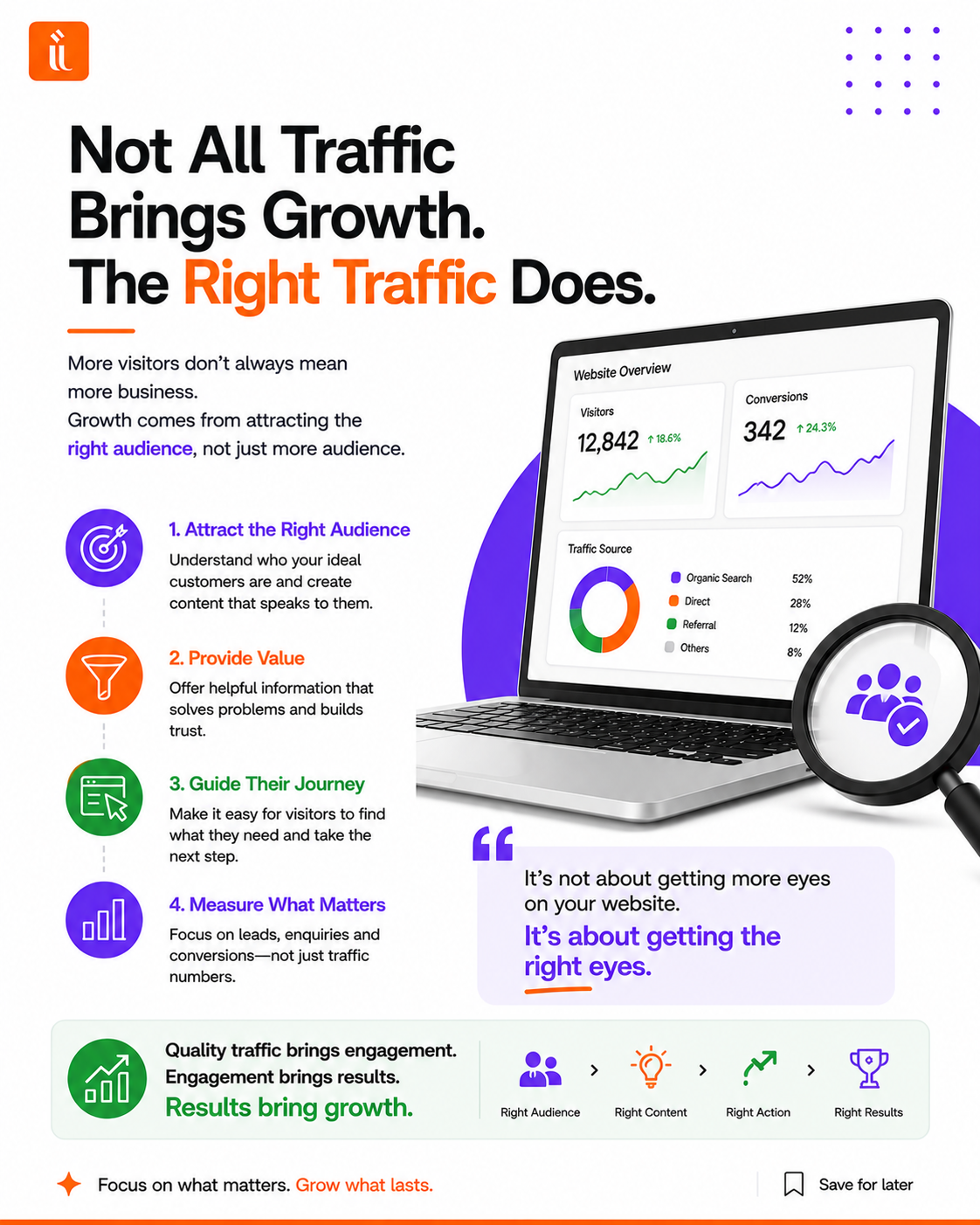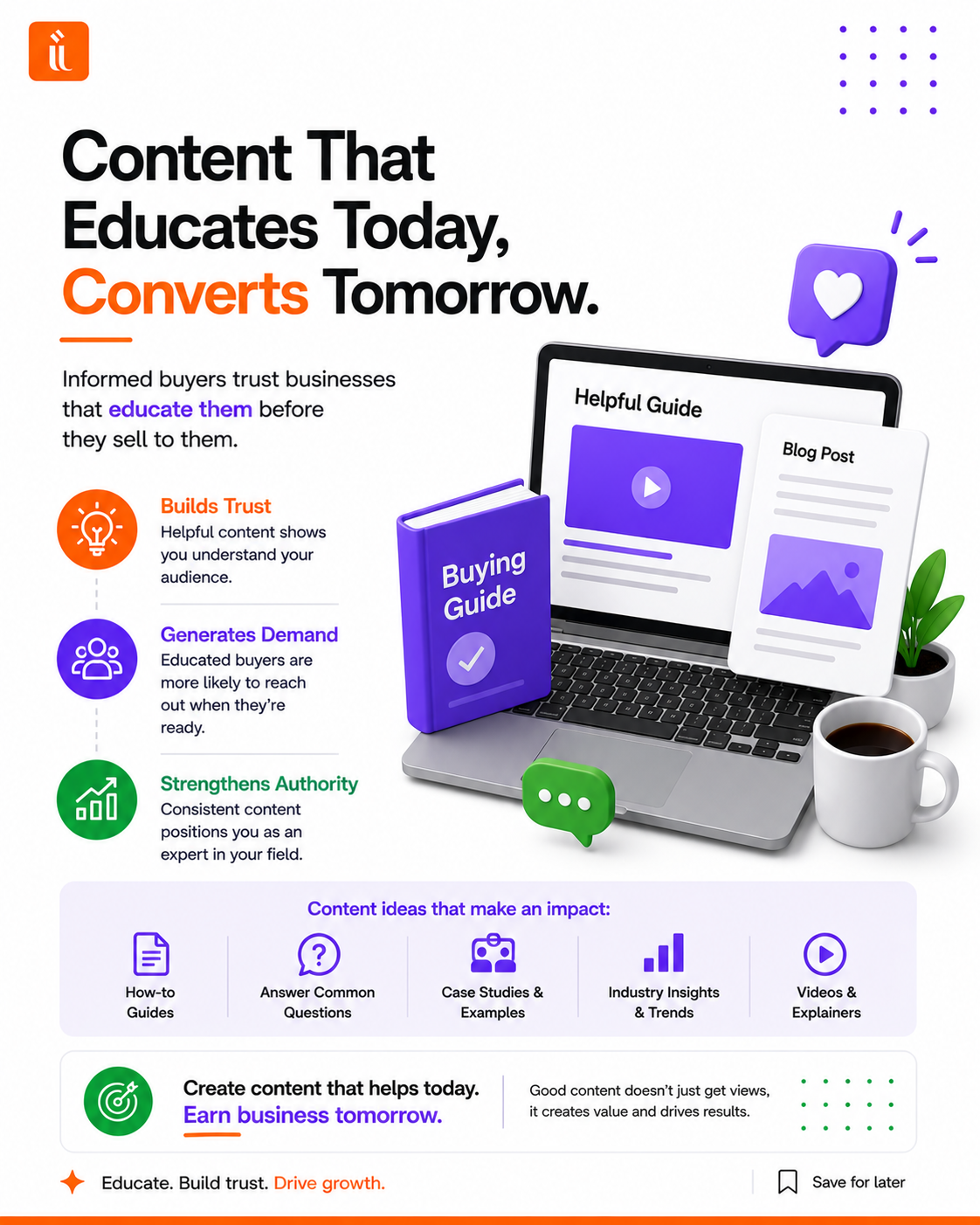

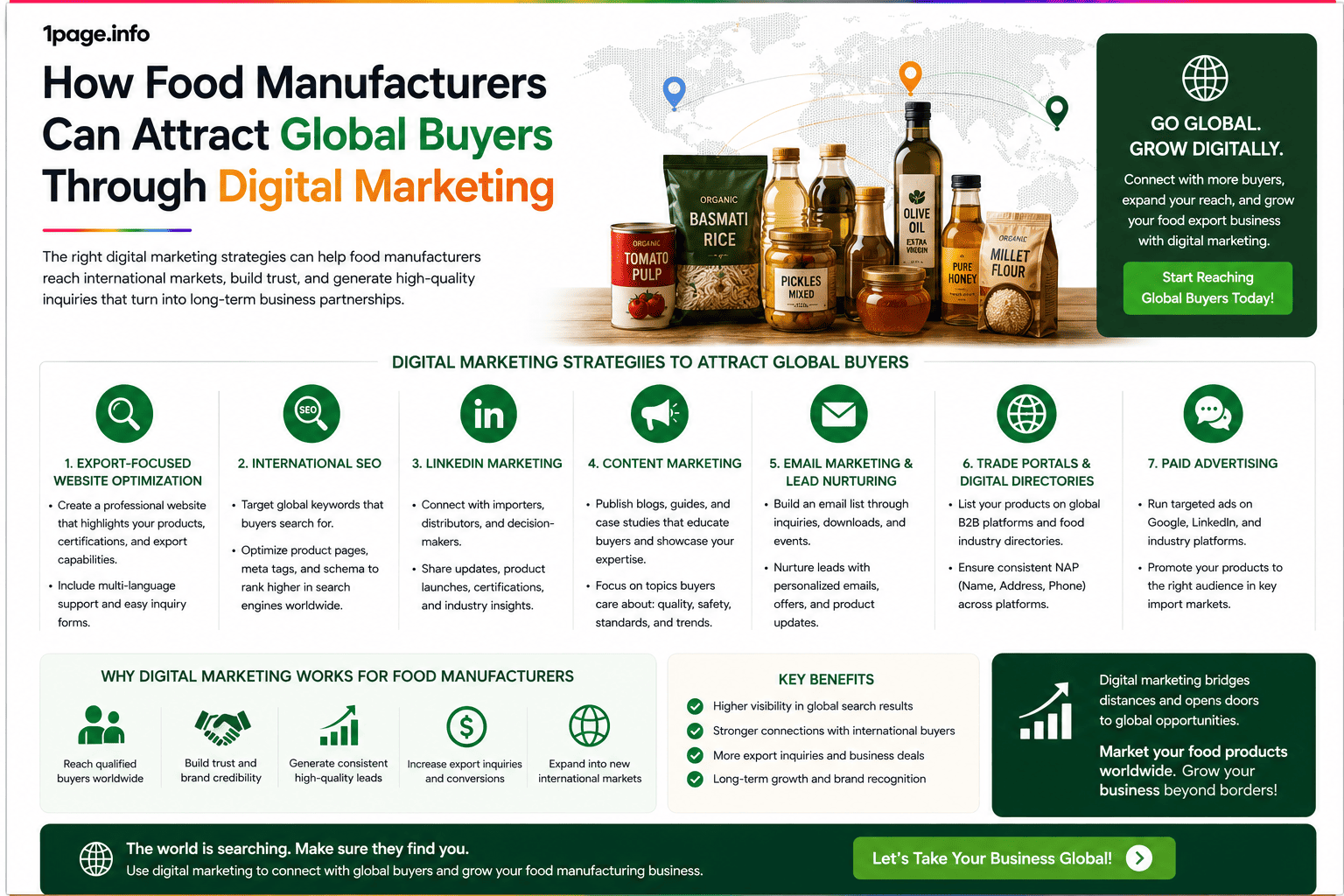
The way international buyers find food products has really changed over the few years. Earlier food manufacturers relied a lot on trade fairs, exhibitions, distributors and personal connections to find customers from countries. These channels are still useful. Most importers and distributors now start looking for suppliers online. When looking for suppliers buyers usually start by searching They search for things, like spice exporters, food makers organic food suppliers or companies that can make products with their own labels. They compare companies using Google, LinkedIn and business websites. If your company doesn't have an online presence international buyers might not find your products no matter how well you can make them. Using marketing can help food manufacturers be seen by global buyers when they are searching for reliable suppliers. It helps them get noticed when buyers are looking for someone to work with. Digital marketing is important for food manufacturers to reach buyers. It helps them compete with companies and get their products noticed. Export marketing is different from local marketing. International buyers look for information that helps them evaluate whether your business can meet global standards. Your digital presence should clearly communicate your manufacturing capabilities, export experience, certifications, production capacity, packaging options, quality control processes, shipping capabilities, and international compliance standards. Rather than simply promoting products, position your company as a trusted export partner capable of serving buyers across multiple countries. A well-planned export marketing strategy builds confidence before the first conversation even begins. Your website is usually the thing that international customers see when they are looking at your business. Your website should look professional. Have all the information that customers need. It should also be easy to use. You should have a page for each type of product that you sell. These pages should have a lot of details about each product, such as what it's made of how big it is and what it is used for. You should also say where you sell your products and what kinds of things people use them for. Customers should be able to find out how much of a product you can make, how much they have to buy and how you will get it to them. They should also be able to find out how to get in touch with you. If your website loads quickly and works on phones that is a good thing. It is also helpful if people who speak languages can use your website. If your website is easy to use that makes it better for customers. It also helps search engines like Google find your website. You can also add things to your website that customers can download, like lists of your products and papers that say what your products are made of. This makes it easier for customers to learn about your business and decide if they want to buy from you. Your website is, like a store. You want to make it easy for customers to find what they need and buy from you. Search Engine Optimization allows your website to appear when overseas buyers search for suppliers online. Instead of targeting only general keywords, optimize your website for international search terms such as "food manufacturer in India," "organic spice exporter," "private label food supplier," "frozen vegetable exporter," or "bulk food ingredients supplier." You can also create country-specific landing pages targeting markets such as the USA, UAE, Canada, Australia, or Europe if those are your primary export destinations. Publishing high-quality content that answers buyer questions improves your authority while increasing your chances of ranking for valuable international keywords. International SEO provides long-term visibility and reduces dependence on paid advertising. International buyers usually take a time to look for suppliers before they ask for prices. When you write about things that can help them like how to do things it shows that you know what you are doing. If you have a blog that talks about things like rules for exporting, how to keep food new ways to package things things that show you are a good company, how to make food last longer how to make things in a way that is good for the earth and what is popular in food around the world international buyers will like it. You can also tell stories about what you have done show people around your factory explain how you make sure things are quality and share stories about customers who are happy with what you do. This helps people believe in your company. The more you show people what your company is like, on the internet the easier it is for international buyers to trust your company. LinkedIn is a place for B2B food manufacturers to find global buyers. Importers and procurement managers and distributors and sourcing specialists and retail buyers use LinkedIn to find suppliers and learn about the industry. You should share updates about your products. What you have achieved in exports and any certifications you have got and if you are expanding your factory and if you are taking part in trade events and what you are doing for sustainability and you should also share articles that teach people things. You should tell the people in your company and the sales team to make a professional profile on LinkedIn and to talk to people in the industry. You can use LinkedIn Ads to show your products to the people who make decisions based on what industry they're in and how big their company is and what their job is and where they are from. If you have a presence, on LinkedIn it makes your company look good and helps you meet more people who can help your business grow internationally. Instead of asking website visitors to contact you immediately, provide valuable resources that encourage engagement. Offer downloadable product catalogs, export brochures, certification documents, packaging guides, or industry reports in exchange for contact information. This approach helps you capture qualified leads while giving buyers useful information that supports their purchasing decisions. Every lead captured through your website becomes an opportunity for future business. Global buyers rarely place orders after a single website visit. The buying cycle often includes supplier evaluations, sample requests, internal approvals, and price comparisons. Lead nurturing keeps your business visible throughout this process. Email marketing can be used to share product updates, export news, quality certifications, factory improvements, new product launches, and customer success stories. Personalized follow-ups help maintain relationships while demonstrating professionalism. Consistent communication builds trust and increases the likelihood of converting inquiries into long-term business partnerships. When people buy food they really care about the quality of the food. If it meets the rules. So it is an idea to clearly show the certifications that your company has like ISO, HACCP, FSSAI, BRC, FDA registration, Organic certifications, Halal, Kosher and any other important standards that your company follows. You should put information about how you control the quality of your food how you test it in a laboratory how you package it and how you make it on your website. When food buyers can see these certifications they will feel more confident about buying from you. This will help your company stand out from others when you sell food to people, in other countries like international markets and food buyers will trust your Food company. Digital marketing should always be supported by measurable data. Use Google Analytics and Google Search Console to monitor website traffic, keyword rankings, visitor locations, inquiry forms, and conversion rates. Track which countries generate the highest traffic and identify the pages attracting the most qualified buyers. Review LinkedIn engagement, email campaign performance, and lead conversion rates regularly to understand which marketing activities deliver the best return on investment. Data-driven improvements help refine your strategy and maximize future growth. Digital marketing continues to evolve alongside international trade. Artificial Intelligence is making search results more personalized, while voice search is changing how buyers discover suppliers. Video marketing, virtual factory tours, interactive product catalogs, and multilingual websites are becoming increasingly valuable for attracting overseas customers. Businesses that combine SEO, content marketing, LinkedIn networking, and marketing automation will be better positioned to compete in global markets over the coming years. Attracting buyers is not just about going to trade exhibitions or working with export agents anymore. These days buyers look up manufacturers on the internet before they even think about talking business. So having a digital marketing plan is really important for food manufacturers who want to grow. Food manufacturers can do a lot to improve their presence by building a website that is focused on exports making sure their website shows up in search results all around the world writing articles and posts that are really helpful being active on LinkedIn making sure people can find them when they search online sending emails to people who might be interested, in their products and showing off any certificates they have. By doing all these things food manufacturers can get their name there and attract really good international buyers. This helps them get distributors and importers. It also helps them build strong relationships that will last a long time and support their business as it grows all around the world.The Global Food Market Has Gone Digital
Build an Export-Focused Marketing Strategy
Optimize Your Website for International Buyers
Invest in International SEO
Create Content That Builds Trust
Use LinkedIn to Reach Decision-Makers
Generate Leads Through Valuable Resources
Nurture International Buyers
Showcase Certifications and Quality Standards
Measure Your Marketing Performance
Future Trends in Global Food Marketing
Final Thoughts
Digital marketing helps food manufacturers reach international buyers without relying only on trade shows. Learn how export marketing, international SEO, LinkedIn marketing, website optimization, and lead nurturing can help grow your global business.