
The Global Food & Beverage Market Is Going Digital
The food and beverage business has really gone global. Importers, distributors, retailers and wholesale buyers are now getting products from suppliers around the world. When looking for a manufacturer or exporter buyers usually start by searching.
They compare suppliers check their certifications and look at their product quality on their websites and online content. Having an online presence is super important for businesses that want to compete globally. Companies that focus on marketing can reach global buyers quicker.
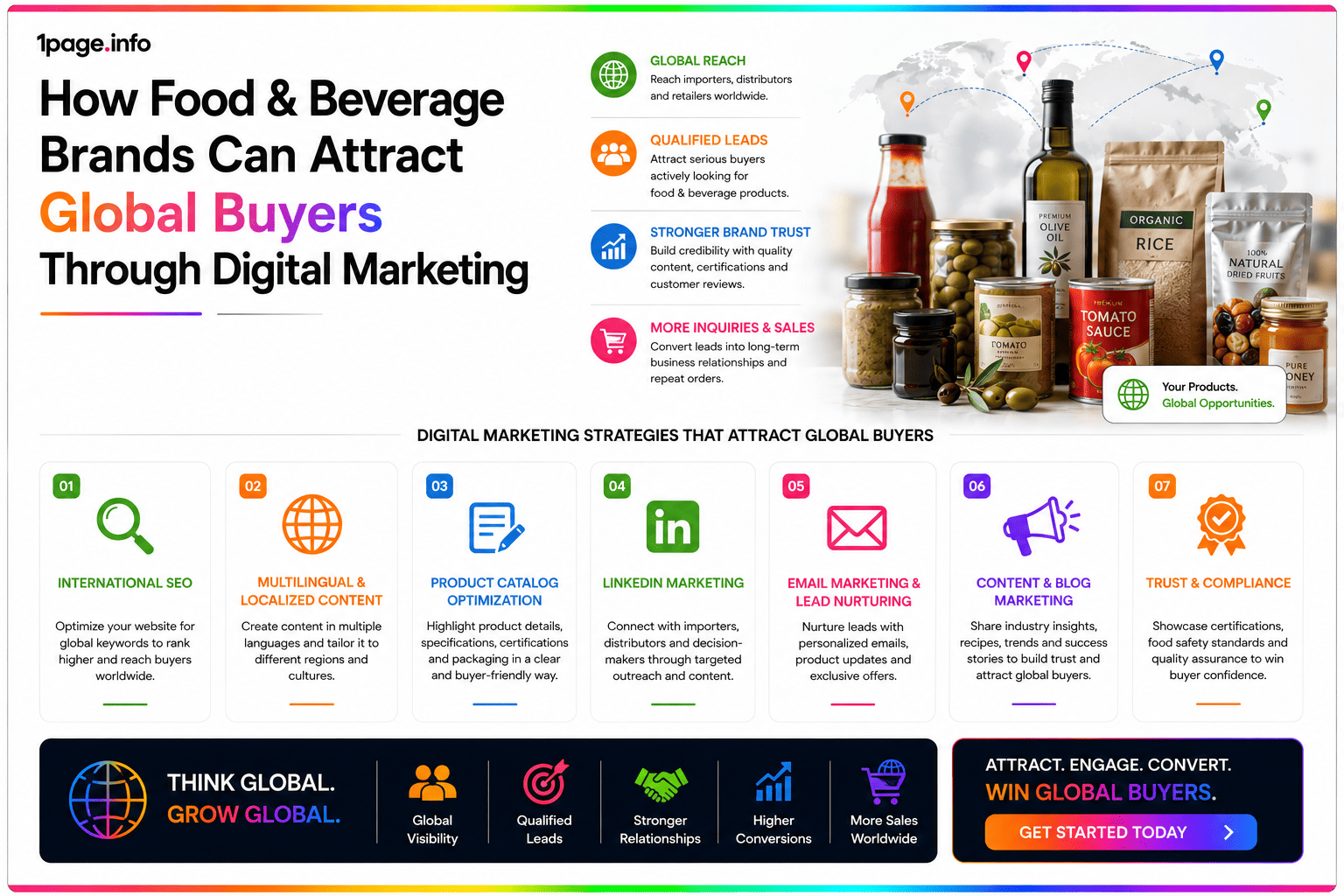
They get qualified inquiries from potential export customers and build long-term relationships. They do not just rely on trade shows or international business events. Companies are finding customers and growing their export business faster with digital marketing. The food and beverage industry uses marketing to reach more buyers. They are also using it to showcase their products and build relationships, with customers.
Build an Export Marketing Strategy
When you are selling things to people in countries you have to do things a little differently than when you are selling to people in your own country. International buyers want to know that your company can make things all the time get them to other countries make enough of them and follow the rules that other countries have about food.
You should tell people about what your company can do like how you make things how you get them to countries what kind of packaging you use and what countries you already sell to. You should not just talk about how great your productsre Instead you should show people that your company is a partner that can help them get what they need from other countries.
If you have a plan for selling things to other countries it can help people trust your company before they even talk to you. Selling to buyers and international buyers is very important, to your company so you should make sure you are doing it correctly and that international buyers know that they can trust your company.
Invest in International SEO
Search Engine Optimization plays an important role in helping overseas buyers discover your business.
Instead of optimizing only for local keywords, target international search phrases such as "food manufacturer," "beverage exporter," "private label food supplier," "organic food exporter," "wholesale beverage manufacturer," or "bulk food ingredients supplier."
You can also create country-specific landing pages for your key export markets. These pages improve search visibility while providing content that is more relevant to buyers in different regions.
International SEO continues generating qualified traffic over time and reduces dependence on paid advertising.
Optimize Your Website for Global Buyers
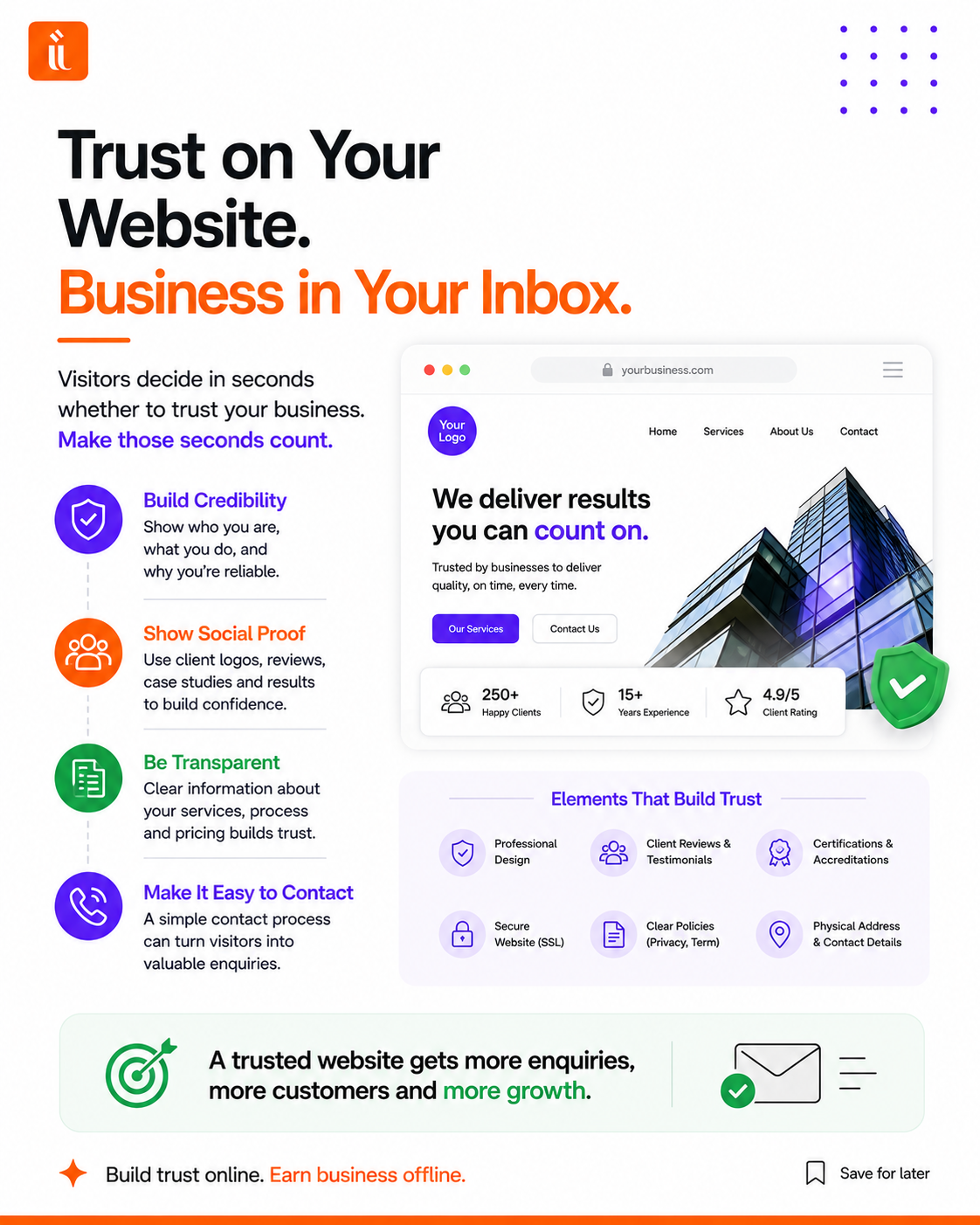
Your website is like a store where people from countries can see what you have. When people from countries want to buy something from you they want to know a lot about it before they ask how much it costs. So every page that talks about a product should say what is in it and what it is made of.
It should also say how healthy it is, how it is packaged if it has any certifications how long it will last and how it is made. You should also say if people can make requests for the product. Your website should also tell people about the place where you make your products and how you make sure they are good. It should say how you can send products to people and how you help your customers.
If your website loads fast and looks good on phones and computers people will like using it. This also helps people find your website when they are looking for something If you have a website people from other countries will feel good, about buying from you.
Strengthen Your Product Catalog
Many food and beverage companies rely only on downloadable PDF catalogs, but modern buyers expect far more information.
Create dedicated web pages for every product category instead of listing all products on one page. Include detailed descriptions, ingredients, nutritional values, packaging options, applications, certifications, available sizes, and production capabilities.
A well-structured online product catalog not only improves customer experience but also gives every product page the opportunity to rank individually on Google.
This approach significantly increases your online visibility across multiple search queries.
Use LinkedIn to Reach International Decision-Makers
LinkedIn is an useful tool for companies that sell food and drinks to other businesses. People who buy and sell food and drinks like importers and store owners use LinkedIn to find suppliers and see what is happening in the food and drink industry. When you share news about your company, like products or awards you have won on LinkedIn it helps people trust your company and think you are a good supplier.
You should keep posting on LinkedIn because it makes your company look more real and honest when people check you out after visiting your website. This is especially true, for food and drink companies that want to sell their products to countries because LinkedIn helps you show that you are a trustworthy international supplier of food and drinks.
Publish Case Studies and Educational Content
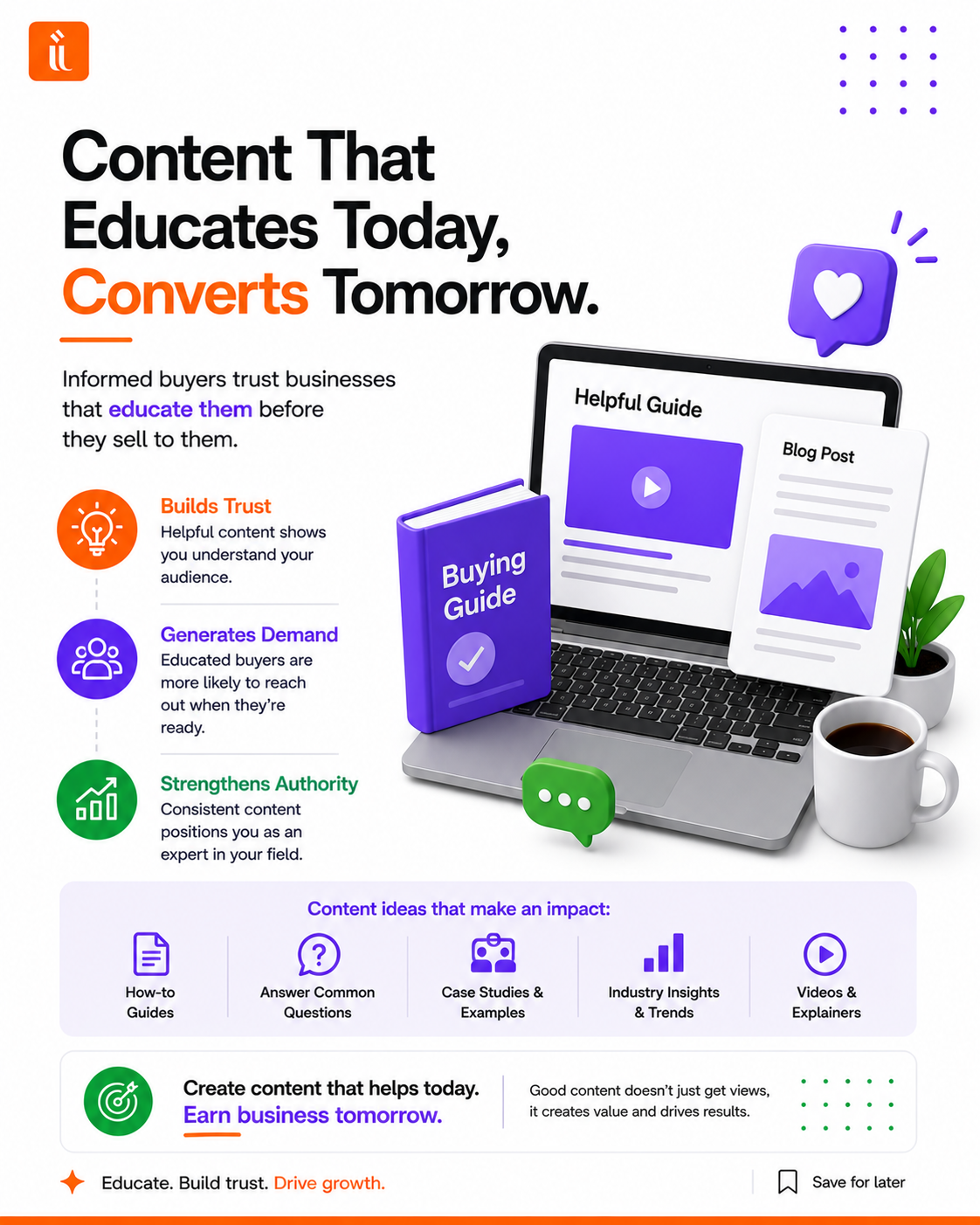
Educational content helps demonstrate expertise while improving search engine visibility.
Case studies showing how your business successfully supplied products to international customers provide valuable proof of your capabilities. Whenever possible, explain the customer's challenge, your solution, and the business outcomes achieved.
Alongside case studies, publish blogs covering food safety, export regulations, packaging innovations, sustainability, ingredient sourcing, industry trends, and international compliance requirements.
Helpful content builds trust with potential buyers while attracting organic traffic through Google.
Nurture International Leads Through Email Automation
International buyers do not usually buy something away. They have to do a lot of things before they make a decision. The buying process has steps like checking out suppliers asking for samples comparing prices getting approval from their company and making sure the quality is good. Email marketing is a way to stay in touch with buyers during this time.
You can send them emails to tell them about products what is happening with exports if you got any new certificates if you made your products better things they can learn and stories, about people who bought from you. This helps people remember your business while you build trust with them. If you keep talking to buyers they will think of your company when they are ready to buy something. International buyers will remember your business because you stayed in touch with them.
Build Trust with Certifications and Compliance
Trust is one of the biggest factors influencing international food and beverage purchasing decisions.
Global buyers expect suppliers to demonstrate compliance with recognized food safety and quality standards. Display certifications, quality management systems, food safety procedures, laboratory testing processes, and compliance documentation prominently throughout your website.
Highlighting certifications such as HACCP, ISO, BRC, FSSC, Organic, Halal, Kosher, FDA registration, or other relevant standards reassures buyers that your products meet international requirements.
Customer testimonials and export success stories further strengthen your credibility.
Measure Results with Analytics
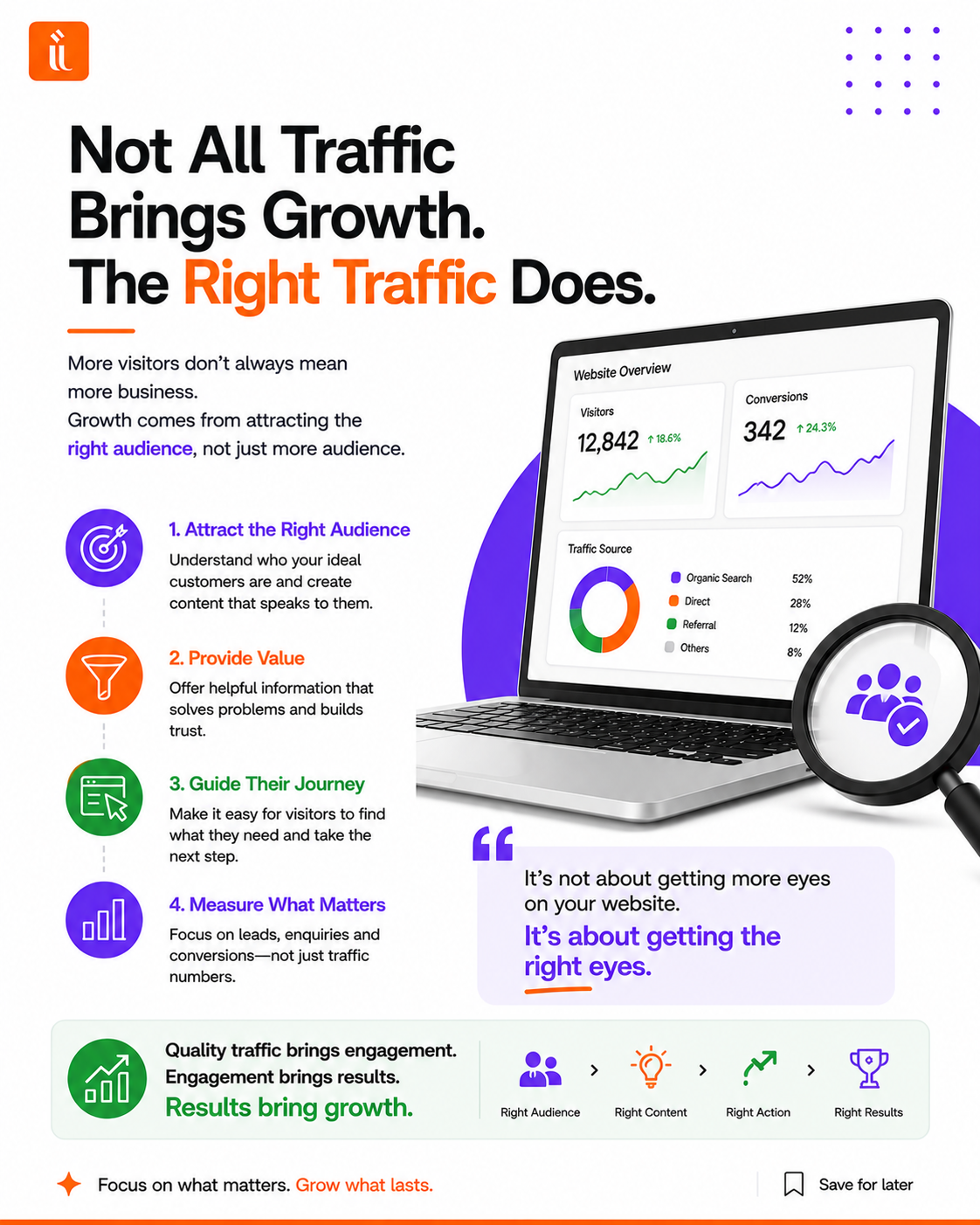
Digital marketing works well when you make decisions based on real information. You should use Google Analytics and Google Search Console to see how many people are visiting your website, where you rank for keywords in countries, where your visitors are from how many people fill out your forms and how many people actually buy something from you.
Look at which countries give you the leads and which product pages people like the most. This information helps you make your not good pages better find new places to sell your products and make a marketing plan that is just right, for specific countries. If you keep looking at this information you can be sure that your marketing efforts are actually helping your business grow.
Prepare for Future Global Marketing Trends
Digital marketing continues evolving alongside global trade.
Artificial Intelligence is making customer experiences more personalized, while voice search is changing how buyers search for suppliers. Video marketing, multilingual websites, virtual factory tours, and interactive product catalogs are becoming increasingly valuable for businesses targeting international customers.
Brands that combine these technologies with strong SEO and educational content will be better positioned to compete in global markets over the coming years.
Expanding into International Markets
Growing your business in countries starts with getting your name out there where people who want to buy from you are already looking. You should have a website that shows what you do what you make and what you are good at.
This website should talk about your products the certificates you have and how you can send things to countries. You should also be good at getting found on search engines when people look for things like what you do in countries.
Keep your LinkedIn page up to date write things that teach people about what you do and send emails to people who ask about your business. When more people can find you on the internet they will trust you more.
You will get more messages, from people who want to buy things from you like the people who bring things into their country the people who sell things to stores the stores themselves and the people who buy big amounts of things from you all around the world.
Final Thoughts
International buyers are using channels more and more to find reliable food and beverage suppliers before buying. Businesses that use marketing get a big advantage over others. They become visible online show that they are experts and build trust with people all around the world.
By using a mix of export marketing strategies, search engine optimization for markets making their website better marketing on LinkedIn optimizing product catalogs creating educational content nurturing leads branding focused on certifications analyzing data and always improving their digital presence, food and beverage brands can make a long-term plan to attract international buyers.
A steady digital marketing approach does not just bring in export inquiries, from qualified buyers. It also makes your business look like a trusted partner that can grow internationally for a time.